Understanding Steel Fabrication Shop Operations
Steel fabrication shops are essential hubs in the metalworking industry, serving as the backbone for various construction projects and manufacturing processes. In these facilities, raw steel and metal materials are transformed into structural components, frames, and intricate designs that support buildings, bridges, and machinery. Understanding the operations of a steel fabrication shop is crucial for ensuring efficiency, safety, and quality in the structure that supports our infrastructure.
Basics of Steel Fabrication
Steel fabrication involves several fundamental processes that shape and assemble steel into final products. The primary steps include cutting, shaping, joining, and finishing, each requiring specific tools and expertise. For instance, cutting may involve mechanical operations such as sawing or laser cutting, while shaping can utilize bending and forming techniques. Understanding these basics is crucial for anyone looking to operate or manage a steel fabrication shop, as they lay the foundation for more advanced processes.
Common Techniques Used
The methods utilized in steel fabrication vary significantly depending on the desired end product. Some common techniques include:
- MIG Welding: A widely used, versatile welding method that offers strong results and is suitable for various materials.
- TIG Welding: Renowned for its high-quality welds, especially on thinner materials, making it integral in precision applications.
- Laser Cutting: Provides precision cutting with minimal material loss, ideal for intricate designs and complex shapes.
- Plasma Cutting: A faster alternative to laser cutting, effective for thicker materials, often employed in heavy-duty applications.
Each technique has its advantages and challenges, and understanding these can significantly impact production efficiency and the quality of the final products.
Safety Practices in the Steel Fabrication Shop
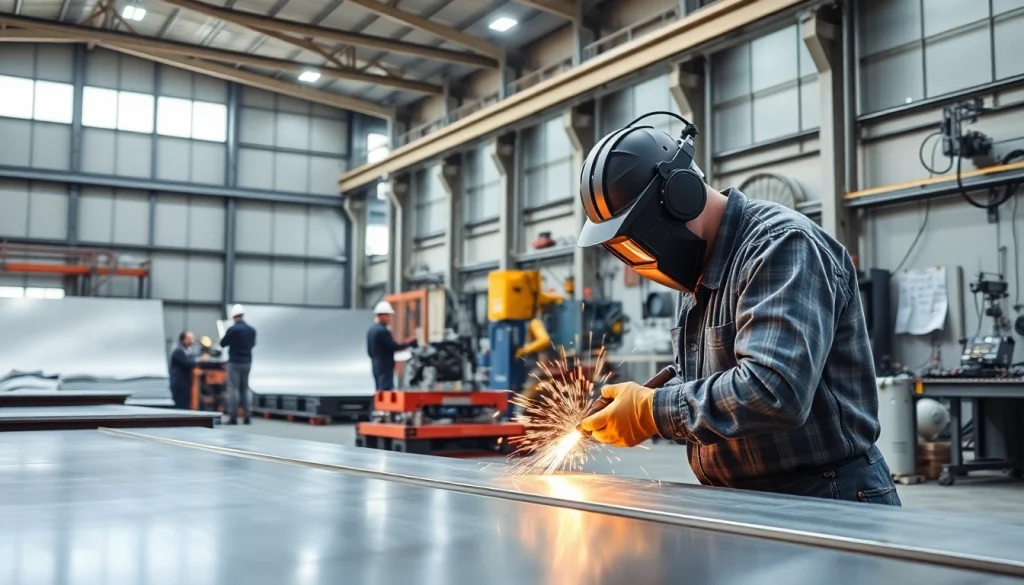
Safety is paramount in any industrial environment, particularly in steel fabrication shops where heavy machinery and sharp materials are ubiquitous. Establishing a robust safety culture can significantly reduce workplace accidents. Key practices include:
- Personal Protective Equipment (PPE): Ensuring all employees wear appropriate PPE, including gloves, helmets, and safety glasses, to mitigate injury risks.
- Regular Safety Training: Conducting frequent training sessions to reinforce safety procedures and emergency response techniques.
- Clear Signage: Using visual aids and signage to communicate hazards and safety protocols throughout the facility.
By prioritizing safety, steel fabrication shops can not only protect their workforce but also enhance operational efficiency by minimizing disruptions caused by injuries.
Essential Machinery for Your Steel Fabrication Shop
The efficiency of a steel fabrication shop largely hinges on the machinery used. Investing in quality equipment can make or break the operations, affecting production speed, accuracy, and overall profitability.
Types of Equipment Needed
A well-rounded steel fabrication shop should be equipped with a variety of machinery to handle diverse tasks. Essential equipment includes:
- CNC Machines: Computer Numerical Control machines can automate complex shaping and cutting, enhancing precision and productivity.
- Bending Machines: Critical for tasks that require forming metal into specific angles and shapes.
- Welding Equipment: Various types of welding machines, such as MIG and TIG welders, for joining metal components effectively.
- Drilling Machines: Necessary for creating specific holes and attachments in metal pieces as specified in designs.
Each piece of equipment plays a vital role, and selecting the right machinery based on the shop’s specialization can expedite production while maintaining quality standards.
Investment in Technology
Continuous advancements in technology are revolutionizing steel fabrication processes. Investing in modern equipment and software solutions can lead to significant improvements in shop efficiency. Technologies like automated inventory management systems, advanced CAD for design, and robotics for repetitive tasks not only streamline operations but also reduce labor costs and errors.
Maintenance Tips for Longevity
Proper maintenance of machinery is crucial for ensuring longevity and preventing costly downtimes. Regular inspections, cleaning, and servicing should be standard practices within the shop. Additionally, implementing a predictive maintenance strategy—where machinery is serviced based on data analytics and usage patterns—can further enhance reliability and operational continuity.
Staffing Your Steel Fabrication Shop
The success of a steel fabrication shop largely depends on the skills and dedication of its workforce. Having the right personnel in place ensures that operations run smoothly and projects are completed to satisfaction.
Hiring Skilled Labor
Identifying and recruiting skilled labor is imperative in steel fabrication, where specialized skills can greatly enhance output quality and efficiency. Hiring should focus on candidates with a combination of vocational training and practical experience. Additionally, promoting positions that require certification in welding and machining ensures that workers meet industry standards for safety and quality.
Training and Development Opportunities
Investing in continuous training programs not only improves skills but also enhances employee satisfaction and retention rates. Providing development opportunities, including hands-on workshops and online resources, fosters a culture of learning and innovation. Specialized training in new technologies can keep the workforce updated and improve overall operations.
Building a Positive Workplace Culture
A positive workplace culture promotes productivity and enhances employee morale. Implementing team-building activities, recognizing achievements, and fostering open communication channels can enhance workplace dynamics. Ensuring that employees feel valued and engaged is key to retaining top talent in a competitive industry.
Quality Control in the Steel Fabrication Shop
Quality control is an essential element of operations in a steel fabrication shop. It ensures that finished products meet defined standards, reducing rework costs and increasing customer satisfaction.
Establishing Standards
Establishing rigorous quality standards from the outset helps ensure products are manufactured consistently. Standards should be based on customer requirements and industry regulations, with a clear focus on material quality and workmanship. Documenting these standards in a quality manual can serve as a reference for all team members.
Common Quality Issues
Quality issues such as misalignment, poor welds, and incorrect dimensions can arise during the fabrication process. Identifying potential error sources, implementing rigorous monitoring protocols, and taking corrective action promptly can minimize these challenges. Utilizing quality assurance methodologies like Six Sigma can further improve process consistency.
Effective Testing Methods
Implementing effective testing techniques, such as destructive and non-destructive testing, is vital in assessing the quality of fabricated components. Regularly inspecting welds for strength and testing materials for integrity ensures that the final products meet safety standards and perform reliably under stress.
Future Trends in Steel Fabrication
The steel fabrication industry is continually evolving. Staying abreast of future trends can help shops remain competitive and responsive to changing demands.
Automation in Steel Fabrication
Automation technologies are increasingly being adopted within steel fabrication operations. Robotic systems and automated guided vehicles (AGVs) are enhancing manufacturing efficiencies while reducing labor costs. Shops that invest in automation gain the dual benefits of increased output and improved worker safety.
Sustainable Practices
With growing environmental concerns, implementing sustainable practices in steel fabrication shops is becoming essential. Practices such as recycling scrap metal, utilizing energy-efficient machinery, and adopting sustainable materials can significantly reduce the carbon footprint and improve overall operational efficiency.
Innovations in Materials and Techniques
Ongoing research into new materials like high-strength steel and composites is changing fabrication techniques. Adaptability to these innovations allows fabrication shops to offer cutting-edge solutions that meet demanding specifications in terms of strength and weight, facilitating advancements in construction and manufacturing industries.
Frequently Asked Questions
What is the average cost of metal fabrication?
The average cost for metal fabrication varies widely based on the complexity of the project, materials used, and labor costs. Costs typically range from $4 to $48 per square foot.
How long does it take to fabricate metal parts?
Fabrication timelines depend on project size and complexity. Simple projects can take a few days, whereas larger, more intricate pieces may require weeks to complete.
What qualifications are needed for metal fabricators?
Metal fabricators typically require a high school diploma or equivalent and specialized training in welding and machining. Certifications may enhance job prospects.
What are the safety regulations in metal fabrication?
Safety regulations focus on personal protective equipment (PPE), safe handling of materials, and machine operation training. Compliance with OSHA standards is essential.
How do I choose a good steel fabrication shop?
Select a fabrication shop based on their reputation, quality of past work, certifications, customer reviews, and capability to meet your specific project needs.