Introduction to Kora Live Music
Kora live music represents a vibrant intersection of contemporary performance and rich African heritage, primarily centered around the kora—a unique stringed instrument that has captivated audiences worldwide. As the popularity of kora live music grows, so does the appreciation for its deep cultural roots and astounding musical versatility. This deep dive will explore what kora live music entails, its historical significance, the features that make live performances so engaging, the variety of styles it encompasses, and how audiences can immerse themselves in this genre.
What is Kora Live?
The kora is a traditional West African instrument, resembling a lute, boasting a sound that is both soothing and captivating. It comprises 21 strings, typically made from twisted nylon, that are stretched over a large gourd resonator, and played with the fingers to create melodies that are often accompanied by singing. Kora live music refers specifically to performances where this instrument takes center stage, showcasing its emotive capacity and intricate playing technique.
Historical Significance of the Kora
The kora has a storied history, originating from the Mandinka people of West Africa, particularly in countries like Mali, Senegal, and The Gambia. Traditionally, kora players, known as jalis or griots, serve as historians and storytellers, passing down oral traditions through their music. This historical role highlights not only the importance of the kora in cultural preservation but also its function as a vehicle for personal and communal expression across generations.
The Kora’s Unique Sound and Instruments
The kora’s sound is distinct, characterized by its melodic complexity and rhythmic dexterity. This instrument produces a rich timbre, able to convey a wide range of emotions—from joy to solemnity. Its sound can be shaped further through different playing techniques, including fingerpicking, strumming, and incorporating vocal harmonies. The accompanying ensemble might include percussion and other traditional instruments, enriching the overall auditory experience of kora live performances.
Key Features of Kora Live Performances
Interaction Between Musicians and Audience
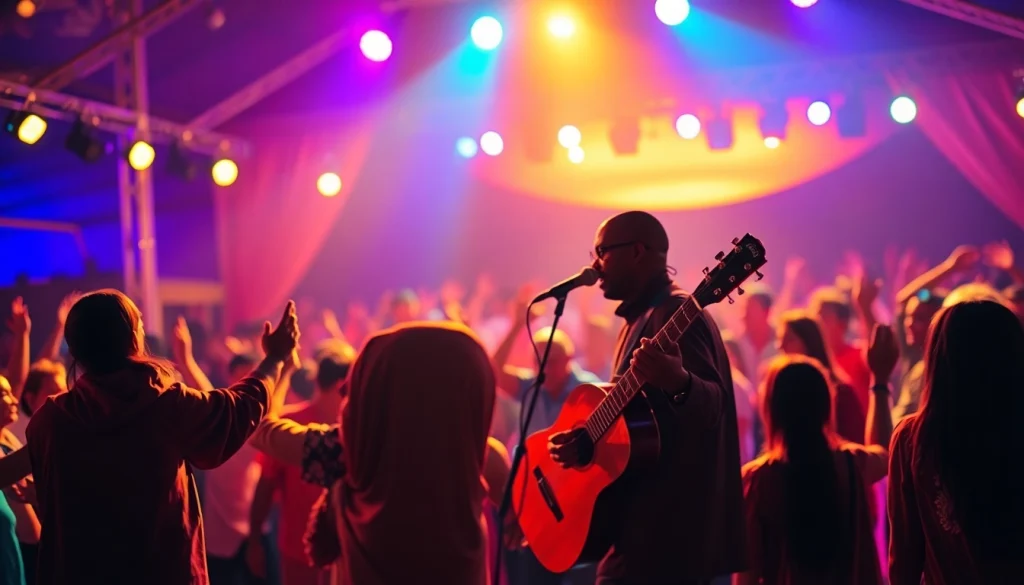
One of the hallmarks of kora live performances is the deep interaction between the musicians and their audience. Kora players often engage with their listeners, inviting them into the musical narrative. This relationship transforms the performance into a communal experience, as audiences are encouraged to clap, sing along, or even respond to call-and-response segments throughout the performance. This interaction is integral to the essence of live kora music.
Visual Elements of Kora Live Events
Kora live performances are also visually striking, where the musicians’ attire, often traditional and colorful, adds to the ambiance of the event. The intricate designs of the kora itself—crafted from wood and gourd—draw attention, complementing the beauty of the performance. Additionally, the staging often incorporates cultural symbols and motifs relevant to the performer or the song, creating an immersive experience that transcends mere auditory enjoyment.
Typical Venues for Kora Live Music
Kora live music can be experienced in a variety of venues, both traditional and contemporary. Outdoor festivals featuring African arts often showcase kora performances, while intimate settings like cultural centers, community halls, or during local celebrations allow for a closer connection between the audience and the performers. Regardless of the venue, these performances encapsulate the essence of kora music, promoting cultural exchange and appreciation.
Different Styles and Genres of Kora Live Music
Traditional vs. Contemporary Kora Music
Traditional kora music adheres to established forms and rhythms passed down through generations, often infusing storytelling with cultural significance. Contemporary kora music, however, integrates various influences, experimenting with different genres and styles, including jazz, pop, and reggae. This blending leads to innovative sounds, attracting a wider audience while still respecting the origins of the instrument.
Collaborations with Other Musical Genres
The adaptability of the kora has led to numerous collaborations across genres, enriching the sound and expanding its reach. Noteworthy artists often collaborate with musicians from different backgrounds—combining the intricate melodies of the kora with Western instruments such as guitar and piano, or even synthesizers to create fusion genres. These collaborations highlight the kora’s versatility and its ability to transcend cultural boundaries.
Impact of Cultural Fusion on Kora Live
Cultural fusion significantly enhances the landscape of kora live music. By merging traditional kora melodies with modern elements, musicians not only preserve the art form but also innovate it for younger generations. Music from various cultures influences kora playing techniques, leading to the emergence of new sub-genres that appeal to diverse audiences and spark further interest in African music.
How to Experience Kora Live Music
Finding Kora Live Events in Your Area
To experience kora live music, begin by exploring local cultural events, music festivals, or community gatherings that celebrate African heritage. Websites dedicated to cultural events frequently update their calendars to include performances, while local music venues may host dedicated kora nights or feature kora artists in their lineups. Social media also serves as a valuable resource for discovering upcoming events and connecting with local artists.
Tips for Enjoying a Kora Live Show
Attending a kora live show can be a deeply enriching experience, and there are several tips for fully enjoying it. First, arrive early to absorb the atmosphere, allowing for time to familiarize yourself with the space and perhaps engage in conversations with fellow attendees. Don’t hesitate to participate in audience interactions during the performance; this not only enhances your experience but also fosters a connection with the musicians and other fans.
Online Platforms for Kora Live Performances
In our digital age, numerous online platforms feature kora live performances, enabling audiences to enjoy this music from the comfort of their homes. Streaming services or social media platforms often host virtual concerts or live sessions, making it accessible to a global audience. Additionally, several artists post content that reflects their creative process or performances, allowing fans to engage with the kora music scene virtually.
Conclusion: The Future of Kora Live Music
Emerging Talents in Kora Music
The future of kora live music looks promising, populated with emerging talents eager to innovate within the genre while staying true to their roots. Young musicians are increasingly embracing the kora, revitalizing its presence and exploring new artistic avenues. This resurgence is critical for ensuring the longevity of kora music as a living tradition that adapts to modernity while maintaining its historical essence.
Innovations in Performance Practices
Innovation within kora live performances is on the rise, with artists experimenting with technology, advanced sound systems, and multimedia presentations that enhance the audience experience. Innovations such as live looping, where musicians layer sounds live, and interactive apps that allow audience participation, are pushing boundaries and redefining what kora music can be in a contemporary context.
Preserving Kora’s Cultural Heritage
Despite the shifts and innovations occurring within kora music, preserving its cultural heritage remains paramount. Musicians and cultural organizations alike are investing in efforts to document traditional playing techniques, songs, and lore associated with the kora. Educational programs, workshops, and masterclasses encourage younger generations to learn the art of kora playing, ensuring that the instrument’s history lives on, even as it evolves.