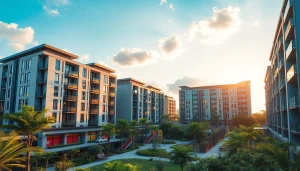

Introduction to Real Estate Fundamentals
Real estate represents one of the most significant sectors in the economy, combining both the tangible aspects of property and the dynamic nature of market trends. Essentially, it encompasses land, buildings, air rights above the land, and underground rights beneath it. For those looking to understand this multifaceted industry better, an exploration into the fundamentals of real estate is essential. The intricacies of Real Estate can affect personal investments, business developments, and national economies alike.
What is Real Estate?
At its core, real estate refers to land and any permanent structures attached to it. This includes residential homes, commercial buildings, farms, and vacant land. Real estate can be categorized into two primary segments: residential and commercial. Residential real estate is used for living purposes, while commercial real estate is used for business activities. As an asset class, real estate also offers unique characteristics when compared to other investments, such as stocks and bonds, due to its tangible nature and ability to generate consistent cash flow.
Types of Real Estate Properties
Understanding the different types of real estate properties is crucial for navigating the market effectively:
- Residential Real Estate: This includes single-family homes, apartments, condos, townhouses, and multifamily units. It primarily serves as a living space for individuals and families.
- Commercial Real Estate: Properties designated for business use fall under this category. Examples include office buildings, shopping centers, hotels, and warehouses.
- Industrial Real Estate: This type encompasses facilities for manufacturing, distribution, and storage. These properties often have unique zoning requirements and are essential for supply chain operations.
- Land: Untouched plots that can be developed or used for agriculture. Land can be further divided into agricultural, residential, and commercial categories.
- Special Purpose Real Estate: This includes properties designed for specific uses such as schools, cemeteries, and places of worship.
The Role of Real Estate Professionals
Real estate professionals play a critical role in the industry. They include real estate agents, brokers, appraisers, and property managers, each of whom brings specialized knowledge and skills to the table:
- Real Estate Agents: Licensed professionals who represent buyers and sellers in real estate transactions. They provide valuable market insights and assist clients throughout the buying or selling process.
- Brokers: These individuals have advanced training and are licensed to manage their own real estate businesses. They act as intermediaries between agents and clients, ensuring that transactions adhere to legal and ethical standards.
- Appraisers: Specialists who assess the value of properties, taking into account various factors such as location, condition, and market trends.
- Property Managers: Responsible for the day-to-day operations of rental properties, including tenant relations, maintenance, and financial reporting.
Current Trends in the Real Estate Market
The real estate market is constantly evolving, influenced by a variety of factors such as economic conditions, technological innovations, and shifting lifestyles. Staying informed about current trends can provide investors, buyers, and sellers with a competitive advantage.
Impact of Technology on Real Estate
Technological advancements have drastically changed how real estate professionals operate. Tools such as virtual tours, online listings, and real estate apps enhance accessibility and transparency for buyers and sellers alike. Furthermore, now commonplace technologies like big data and artificial intelligence provide deeper insights into market trends, helping investors make informed decisions.
The rise of blockchain technology is also anticipated to revolutionize property transactions, introducing efficiency and security to the process. The digitization of documents can streamline transactions while reducing the risk of fraud.
Sustainability and Eco-Friendly Homes
As environmental concerns become increasingly prevalent, the demand for sustainable and eco-friendly homes continues to rise. Buyers are becoming more conscious of their environmental impact, prioritizing properties with green features such as energy-efficient appliances, sustainable materials, and solar panels.
Real estate developers and agents who embrace sustainability trends can tap into this growing market. LEED certification and energy-efficient ratings can significantly enhance a property’s appeal, providing a competitive edge in a crowded marketplace.
Shifts in Buyer Preferences
As societal shifts occur, so too do buyer preferences. With the advent of remote work and shifting lifestyle priorities, many buyers are seeking homes that accommodate flexible work environments, such as dedicated office spaces or larger outdoor areas. Urban-centric demographics, particularly millennials and Gen Z, are also increasingly drawn to urban living, leading to a rising demand for mixed-use developments that combine residential and commercial spaces.
Furthermore, the trends indicate a preference for homes that are move-in ready with minimal renovation required, illustrating a shift toward convenience over customization in many cases.
Navigating the Buying Process in Real Estate
Understanding the intricacies of the buying process can significantly simplify the experience for first-time home buyers and seasoned investors alike. A strategic approach can help potential buyers make advantageous decisions.
Understanding Market Value
Determining market value is paramount for making informed decisions. Several methods are employed, including the sales comparison approach, which assesses similar properties that have sold recently, and the cost approach, which considers replacement costs of properties. Professional appraisals provide an unbiased evaluation and can grant buyers a more precise understanding of property value in regards to their budget.
Financing Options for Buyers
Financing a real estate purchase requires understanding various options available in the market. Traditional mortgages, Federal Housing Administration (FHA) loans, and Veterans Affairs (VA) loans each cater to different buyer circumstances.
Additionally, some buyers may explore alternative financing methods such as cash purchases or private loans. Understanding these options allows buyers to select the most advantageous financing solution for their individual needs and financial situations.
Steps to Closing a Real Estate Deal
The closing process can often be complex, involving several critical steps:
- Pre-Approval: Before searching for properties, potential buyers should get pre-approved for a mortgage to understand their budget fully.
- Search and Showings: Buyers should look at a wide array of properties, utilizing resources and their agent’s expertise to find suitable options.
- Making an Offer: Once a desirable property is identified, buyers will make an official offer through their agent.
- Inspection and Appraisal: An inspection checks for issues, while an appraisal ensures the property’s value meets the sale price.
- Final Walkthrough and Closing: Buyers conduct a final walkthrough to verify the property’s condition before closing, which formalizes the sale.
Strategies for Selling Real Estate Effectively
For sellers, employing effective strategies can mean the difference between a swift sale and prolonged market time. Every aspect of the selling process should be tailored to attract potential buyers.
Marketing Your Property
Creating a robust marketing strategy is essential for sellers. Utilize high-quality photography and engaging descriptions to showcase properties effectively. Digital marketing through social media platforms and real estate listing sites extends reach, while traditional methods like open houses and print advertising still hold value.
Networking with local agents and leveraging market expertise allow sellers to identify the best marketing channels suited for their specific property.
Staging and Presentation Tips
First impressions matter, which is why staging a property can lead to a successful sale. Here are some key staging tips:
- Declutter: Remove personal items and unnecessary furniture to allow buyers to visualize their own life in the space.
- Neutral Colors: Painting walls in neutral tones promotes broader appeal and can create a calming atmosphere.
- Enhance Curb Appeal: The exterior is the first thing potential buyers see, making landscaping and exterior maintenance crucial.
Negotiation Techniques for Sellers
Effective negotiation is key for sellers to advocate for top offers. Ideal techniques include:
- Keeping Emotions in Check: Negotiations can be emotional but staying detached can lead to better outcomes.
- Understanding Buyer Motivations: Knowing what buyers value helps to present compelling arguments.
- Responding Quickly: Quick responses keep negotiations alive and demonstrate eagerness to engage.
Future Outlook: The Evolution of Real Estate
As we look to the future, several emerging trends are poised to reshape the real estate landscape. Staying ahead of these changes is crucial for investors and market participants alike.
Emerging Markets and Opportunities
Certain areas are experiencing increased investment and growth. Suburban regions close to urban centers are seeing heightened interest due to their combination of affordability and proximity to urban amenities. Additionally, areas in transition, such as up-and-coming neighborhoods, can offer lucrative opportunities for investment.
Furthermore, secondary markets are becoming increasingly popular, as they offer lower price points and the possibility of strong appreciation.
The Influence of Remote Work on Real Estate
The shift towards remote work is likely to have lasting effects on real estate. With many employees opting for flexible working arrangements, demand for homes with dedicated office spaces is accelerating. Additionally, this trend is anticipated to expand buyer markets beyond traditional urban centers, as individuals seek affordable spaces that accommodate their lifestyles.
Predictions for the Next Decade in Real Estate
Looking ahead, a few key predictions stand out for the real estate landscape:
- Continued integration of technology in property management and transactions.
- Greater emphasis on sustainability and eco-friendly practices.
- A rise in the demand for flexible living spaces that accommodate remote work and changing family dynamics.
As these trends unfold, they will shape investment and living environments, making it essential for stakeholders to adapt swiftly.