
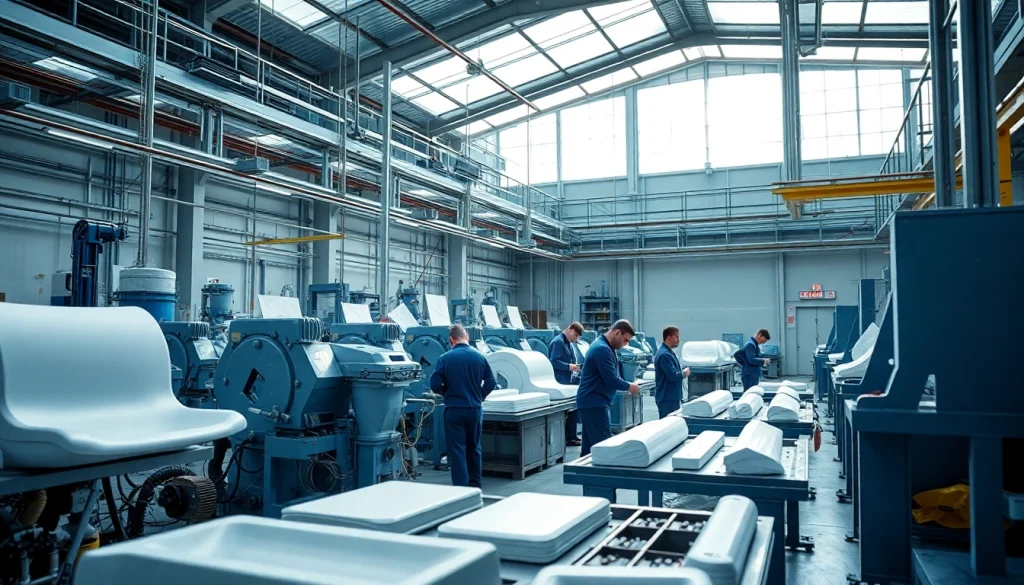
Understanding the GRP Manufacturer Landscape
What is GRP Manufacturing?
Glass Reinforced Plastic (GRP) manufacturing is a specialized sector that focuses on producing materials using glass fibers combined with resin to create strong, lightweight composites. This fusion results in products with excellent mechanical properties and resilience, making them suitable for a wide range of applications. GRP manufacturing has gained traction in various industries due to its versatility and the ability to tailor materials for specific needs. By understanding the intricacies of GRP manufacturing, stakeholders can better appreciate the capabilities of a GRP Manufacturer.
Key Materials Used in GRP Production
The primary constituents in GRP production are glass fibers and thermosetting resins, typically polyester, epoxy, or vinyl ester. Glass fibers provide the reinforcement needed for strength, while resins serve as the matrix to bond the fibers and grant the composite its shape and integrity. Additionally, fillers, additives, and pigments are used to enhance specific properties or aesthetic qualities. Selecting the appropriate combination of these materials is crucial for achieving the required performance characteristics in the final product.
Importance of Quality Control in GRP Manufacturing
Quality control is fundamental in GRP manufacturing, as it directly influences the performance, durability, and safety of the products. Manufacturers implement rigorous testing protocols to check for consistency and compliance with industry standards. These tests may include tensile strength analysis, adhesion tests, and thermal performance assessments. Ensuring that every batch meets quality requirements minimizes risks and instills confidence in the end-users, particularly in critical industries like aerospace and marine applications.
Technological Advancements in GRP Manufacturing
Innovative Processes Shaping the Future
Recent advancements in GRP manufacturing technologies are redefining the production landscape. Techniques such as automated fiber placement (AFP) and robotic laying are enhancing the precision and efficiency of composite structures. Innovations in molding technologies, like vacuum infusion and resin transfer molding (RTM), are enabling manufacturers to create complex geometries with improved material usage, thus reducing waste and production time.
Automation and Efficiency in Production Lines
Automation is pivotal in boosting the efficiency of GRP manufacturing processes. Automating tasks from cutting glass fibers to curing composite parts can minimize human error and enhance production speed. Furthermore, smart factories equipped with IoT sensors allow manufacturers to monitor processes in real-time, facilitating predictive maintenance and further optimizing the production workflow.
The Role of Sustainability in GRP Manufacturing
As sustainability becomes a critical consideration in manufacturing, GRP manufacturers are taking steps to reduce their environmental impact. Many are adopting eco-friendly practices, such as using bio-resins or recycled materials. Additionally, advancements in waste management and energy-efficient production processes are essential in creating more sustainable GRP solutions. This shift not only addresses environmental concerns but also aligns with consumer preferences for greener products.
Applications of GRP Manufacturing
Industries Utilizing GRP Products
GRP materials are extensively used across various industries, including construction, automotive, marine, aerospace, and electrical. In construction, GRP laminates are employed for building facades and structural elements due to their corrosion resistance and aesthetic versatility. The automotive industry utilizes GRP for lightweight components that improve fuel efficiency and performance. Marine applications benefit from GRP’s waterproof properties, making it ideal for hulls and decks.
Case Studies of Successful GRP Projects
Several high-profile projects have successfully integrated GRP materials, demonstrating their capabilities. For instance, the construction of bridges using GRP profiles has highlighted the material’s strength-to-weight ratio, allowing for quicker installations with reduced structural loads. Another example includes the use of GRP for custom automotive panels, which not only enhance performance but also reduce costs in manufacturing. These case studies serve as proof points of GRP’s potential in achieving innovative, efficient solutions.
Future Trends in GRP Applications
The future of GRP applications is set to expand with the ongoing innovation in materials and manufacturing processes. Trends such as the increasing adoption of hybrid composites, which combine GRP with other materials, are emerging. Additionally, the circular economy concept is gaining traction, with manufacturers focusing on recycling GRP products at the end of their life cycle or repurposing them for new applications. This evolution signifies a growing recognition of the importance of sustainability and resource efficiency in manufacturing practices.
Challenges Faced by GRP Manufacturers
Common Issues in Production and Solutions
While GRP manufacturing presents numerous advantages, challenges persist in the industry. Common production issues include the variability in resin quality, which can impact the final product’s performance. To mitigate this, manufacturers are advised to establish strong relationships with suppliers and invest in quality assurance programs. Additionally, addressing issues such as the intricacies of mold design can enhance production efficiency, ultimately leading to better final products.
Regulatory Compliance and Standards
Manufacturers must navigate a complex landscape of regulatory compliance and standards to ensure the safety and performance of GRP products. Adherence to ISO standards, ASTM specifications, and other industry guidelines is crucial. Implementing robust compliance strategies, including regular training for staff and comprehensive documentation practices, can help manufacturers stay ahead of regulatory challenges while maintaining high-quality production.
Market Competition and Pricing Strategies
Competition within the GRP manufacturing sector is fierce, underscoring the importance of strategic pricing. Factors influencing pricing include raw material costs, production efficiencies, and market demand. Manufacturers must regularly analyze market trends and customer preferences to develop competitive pricing strategies that maintain profitability while providing value to customers. Developing niche markets or specializing in custom solutions can also help differentiate a brand in a crowded marketplace.
Expert Recommendations for Choosing a GRP Manufacturer
Evaluating Manufacturing Capabilities and Expertise
When selecting a GRP manufacturer, evaluating their capabilities and expertise is paramount. Prospective clients should assess the range of materials and technologies offered, as well as the manufacturer’s experience in specific industries. It is advisable to review case studies and client testimonials to ascertain the manufacturer’s reputation in delivering high-quality, innovative solutions that meet diverse applications and specifications.
Assessing Customer Support and Collaboration
Customer support plays a critical role in the selection process. A reliable GRP manufacturer should offer comprehensive support, including design assistance and post-production services. Collaborative relationships can enhance project outcomes by allowing for open communication and quick problem resolution. Exploring communication channels and support responsiveness during the initial selection phase can also provide insights into the manufacturer’s commitment to customer satisfaction.
Checklist for Selecting the Right GRP Manufacturer
- What does a GRP Manufacturer do? A GRP Manufacturer specializes in producing glass-reinforced plastic products, combining glass fibers with resin for strength and versatility.
- What are the main applications of GRP? GRP products are widely used in construction, automotive, marine, and aerospace industries due to their lightweight and durable properties.
- How is quality ensured in GRP manufacturing? Rigorous testing and adherence to industry standards help ensure that GRP products meet performance and safety requirements.
- Are GRP products environmentally friendly? Many manufacturers are adopting sustainable practices, using recyclable materials and improving energy efficiency in production.
- What factors influence GRP pricing? Factors like raw material costs, manufacturing processes, and market demand play crucial roles in determining GRP product pricing.
Frequently Asked Questions
What are the benefits of using GRP materials?
GRP materials are known for their lightweight nature, corrosion resistance, and high strength-to-weight ratio, making them ideal for various applications across multiple industries.
How long does GRP last?
GRP can have a lifespan of several decades, depending on environmental conditions and the quality of manufacturing processes, making it a durable choice for construction and marine applications.
What are the costs associated with GRP production?
The costs of GRP production vary significantly based on material quality, design complexity, and manufacturing techniques employed, so it’s important to conduct thorough market analysis for accurate estimates.
Can GRP be recycled?
While traditional GRP recycling is challenging, advancements in chemical recycling technologies are emerging, aiming to recover raw materials from used GRP products, promoting sustainability.
What safety measures should be taken during GRP manufacturing?
Safety measures during GRP manufacturing include using personal protective equipment (PPE), adequate ventilation, and adhering to safety protocols to manage exposure to fumes and resins.