
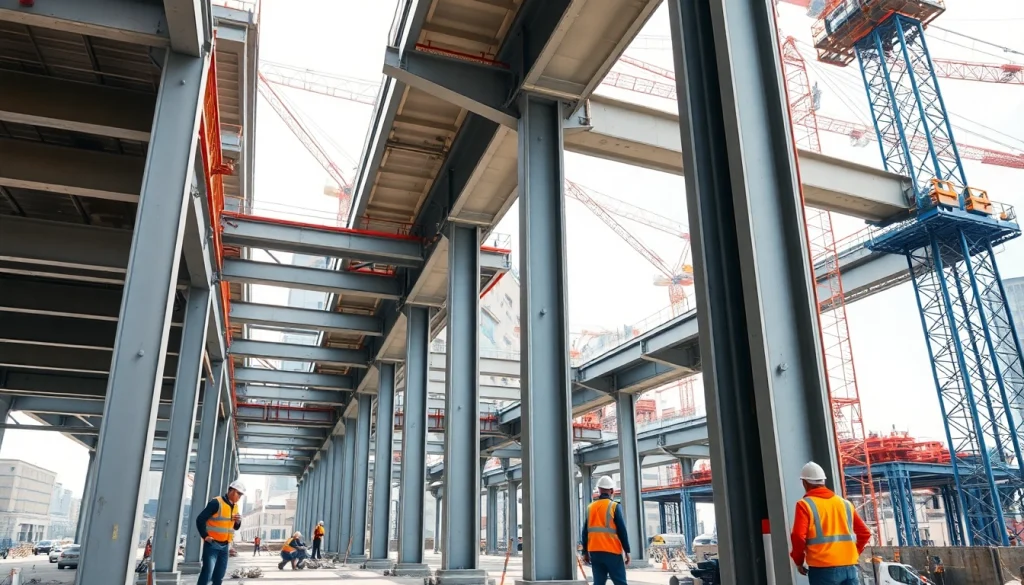
Understanding Structural Steel Construction
Structural steel construction represents a cornerstone of modern architecture and engineering, utilized across a variety of industries for its strength, durability, and versatility. This building method involves the use of steel as the primary material for constructing structures, allowing for unparalleled design flexibility and the ability to support heavy loads. Whether it’s towering skyscrapers reaching for the clouds or expansive warehouses that haul and store goods, structural steel construction is fundamental in shaping our built environment. In this article, we will dissect the essential aspects of structural steel construction—from its basic definition to future trends that will redefine its role in the construction industry.
What is Structural Steel Construction?
At its core, structural steel construction involves the use of steel beams, columns, and sheets to create a robust framework for buildings and structures. This type of construction uses steel’s mechanical properties, such as high tensile strength and malleability, to achieve stability and support. Unlike traditional materials like wood or masonry, steel can bear greater weights and span larger distances without compromising integrity, allowing for innovative architectural designs.
Benefits of Using Structural Steel Construction
The benefits of structural steel construction are numerous and impactful, including:
- Strength and Durability: Steel is impervious to pests and does not warp or shrink, ensuring a long lifespan for buildings.
- Speed of Construction: Prefabricated steel components can be manufactured off-site and assembled quickly, reducing on-site construction time.
- Design Flexibility: Structural steel can be molded into numerous shapes and sizes, accommodating diverse architectural styles.
- Cost Efficiency: Although the initial costs may be higher, the durability and lower maintenance needs of steel structures can lead to cost savings in the long run.
- Sustainability: Steel is 100% recyclable, making it an environmentally friendly choice as it can be reused in new structures.
Common Applications and Use Cases
Structural steel construction finds application in a multitude of settings:
- Commercial Buildings: From office spaces to shopping complexes, structural steel provides the backbone for heavy and multi-story buildings.
- Industrial Facilities: Factories and warehouses benefit from the large open spaces enabled by structural steel frameworks.
- Bridges: Steel’s high strength-to-weight ratio makes it a preferred material for bridges that must support dynamic loads over spans.
- Residential Structures: Modern homes incorporate structural steel frames for enhanced strength and design possibilities.
- Infrastructure Projects: Public constructions such as stadiums, airports, and educational institutions utilize steel for their robust frameworks.
Components of Structural Steel Construction
Main Elements: Beams, Columns, and Connectors
The anatomy of structural steel construction is composed of several key elements:
- Beams: Horizontal structural elements that span between columns, transferring loads to vertical elements.
- Columns: Vertical members that carry the load of beams and transfer weight to foundations.
- Connectors: Bolts, welds, and other fasteners that join beams and columns, ensuring structural stability and integrity.
Materials Used in Structural Steel Construction
The primary material in structural steel construction is, of course, steel. Various types of steel alloys are employed, including:
- Carbon Steel: The most commonly used, known for its strength and versatility.
- Alloy Steel: Enhanced properties through alloying elements, providing improved hardness and toughness.
- Stainless Steel: Corrosion-resistant and ideal for structures exposed to harsh conditions.
Additionally, the specifications for these materials are stringent, often following standards set by organizations such as ASTM (American Society for Testing and Materials).
Modern Techniques in Fabrication
Advancements in technology have led to innovative fabrication techniques. Automated processes, such as CNC (computer numerical control) cutting and robotic welding, increase precision and reduce human error. Additionally, Building Information Modeling (BIM) software allows for comprehensive design planning before physical construction starts. This integrated approach promotes efficiency throughout the construction lifecycle, enabling real-time adjustments and improved collaboration among stakeholders.
Design and Engineering Principles
Key Considerations in Structural Design
Designing a structural steel project requires careful consideration of various factors, including:
- Load Types: Understanding different loads such as dead loads, live loads, and dynamic loads is crucial for safety and performance.
- Material Properties: Engineers must assess the mechanical properties of steel to ensure it meets design requirements and safety standards.
- Aesthetic Considerations: The visual impact of a structure should align with its functional purpose, creating an appealing yet practical outcome.
Load-Bearing Calculations
Load-bearing calculations are fundamental in structural design to ensure safety and functionality. Engineers perform analyses to determine the expected stresses and strains on different components, factoring in environmental conditions and potential load scenarios. With the help of software tools, complex calculations can be simplified, allowing for accurate predictions of structural performance throughout its lifespan.
Safety Standards and Regulations
Compliance with safety standards is non-negotiable in structural steel construction. Relevant building codes and regulations, such as those from the International Building Code (IBC) and Occupational Safety and Health Administration (OSHA), provide guidelines that ensure the integrity and safety of constructions. Regular inspections and adherence to documented best practices are essential to mitigate risks associated with construction processes.
Challenges in Structural Steel Construction
Weather and Environmental Influences
Structural steel construction can be significantly affected by weather conditions. Rain, snow, and extreme temperatures can impact the fabrication process and on-site assembly. Engineers must account for these conditions in both design and scheduling. Using weather-resistant coatings and planning construction during favorable seasons can help minimize these challenges.
Cost Management and Budgeting Strategies
Managing costs effectively is a fundamental challenge in structural steel construction. Fluctuating steel prices can affect project budgets significantly. To mitigate this, it is essential to establish accurate cost estimates early in the planning stages, optimizing material usage and minimizing waste. Regular budget monitoring and flexible contract terms can also help navigate unexpected financial challenges.
Handling Project Delays and Risks
Delays may arise from various sources, including supply chain disruptions or unforeseen site conditions. To handle these risks adeptly, project managers should develop comprehensive risk management plans that include contingency strategies. Utilizing scheduling software can enhance transparency and communication, enabling stakeholders to address potential delays systematically.
Future Trends in Structural Steel Construction
Technological Innovations in the Industry
The future of structural steel construction is poised for significant advancements through technology. Innovations such as 3D printing, modular construction, and AI-driven design tools will enhance efficiency, reduce lead times, and facilitate more sustainable practices. Staying informed about emerging technologies will be crucial for industry professionals keen on maintaining a competitive edge.
Sustainability Practices
With growing environmental awareness, the trend towards sustainable construction practices continues to rise. The integration of renewable resources, such as solar panels in steel structures, alongside greener fabrication methods, is becoming a priority. Additionally, the emphasis on the life cycle assessment (LCA) of materials will help in making informed decisions that benefit both project and planet.
Predictions for Market Growth and Demand
As urbanization continues, the demand for structural steel construction is expected to escalate. Areas experiencing growth, particularly in emerging economies, will likely see an increased need for robust infrastructure development. By leveraging technological improvements and sustainable practices, companies can position themselves effectively within the competitive landscape of structural steel construction.