
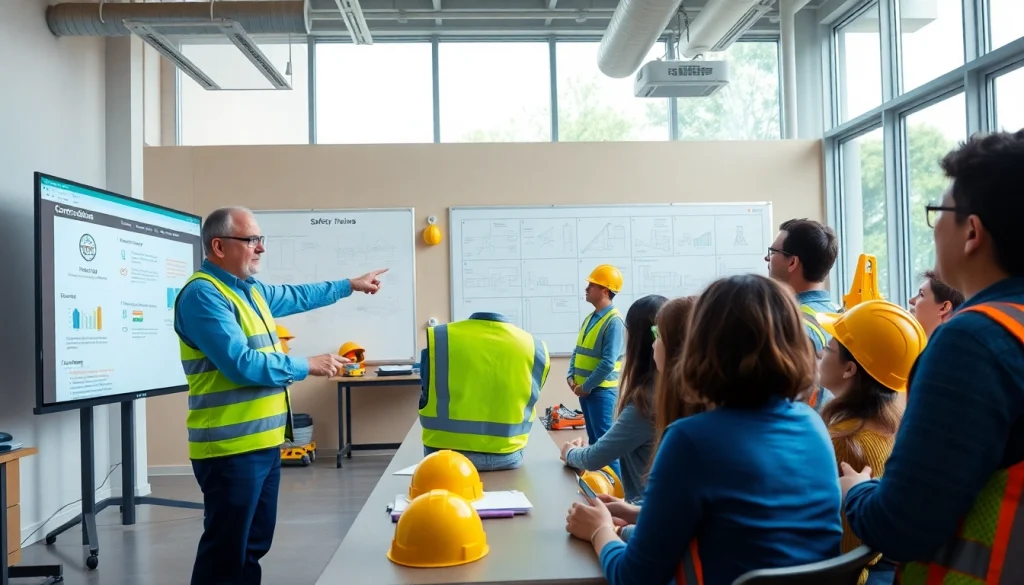
Understanding Construction Safety Training
In the construction industry, safety is paramount. Construction sites are inherently hazardous environments, filled with potential risks that can lead to accidents, injuries, and even fatalities. Therefore, ensuring that workers are properly trained in safety protocols is not just a regulatory requirement; it is a moral obligation. Effective construction safety training is critical for minimizing risks, and it plays a fundamental role in cultivating a culture focused on employee well-being. This article delves into the importance, types, and best practices of construction safety training, along with the metrics to evaluate its effectiveness.
The Importance of Construction Safety Training
Workplace accidents in the construction sector can have severe consequences. Poor safety practices not only endanger workers but can also lead to project delays, increased insurance costs, and legal issues for employers. Therefore, implementing robust construction safety training can significantly reduce the incidence of accidents, fostering a safer environment that enhances productivity and morale. The importance of this training can be summarized in three key points:
- Risk Mitigation: Comprehensive training equips workers with the knowledge to identify and mitigate potential hazards, thus reducing accidents.
- Regulatory Compliance: Adherence to safety regulations, such as OSHA standards, is essential for legal compliance and avoiding fines.
- Cultural Shift: A strong emphasis on safety cultivates a workplace culture that values health and well-being, leading to a more engaged and satisfied workforce.
Key Topics Covered in Construction Safety Training
A well-rounded construction safety training program encompasses various topics tailored to meet the needs of workers at all levels. Core topics typically include:
- Understanding OSHA regulations and compliance standards.
- Personal protective equipment (PPE) usage and care.
- Hazard identification and risk assessment.
- Fall protection practices and the use of safety harnesses.
- Safe operation of machinery and equipment.
- Emergency response and evacuation procedures.
- Communication of safety practices on-site.
Who Needs Construction Safety Training?
The requirements for construction safety training extend beyond just the on-site workers. Understanding who needs this training is essential for effective implementation. The following groups should prioritize participation in safety training programs:
- New Hires: Individuals new to the construction industry require foundational safety knowledge to begin their careers safely.
- Supervisors and Managers: Leadership must understand safety regulations thoroughly to enforce them effectively and foster a safe work environment.
- Specialized Workers: Employees involved in high-risk tasks (e.g., operating heavy machinery, working at heights) need specialized training to address the unique hazards they face.
- Contractors and Subcontractors: All parties involved in a construction project should be well-versed in safety protocols to ensure consistent practices across the board.
Types of Construction Safety Training Programs
In-Person vs. Online Construction Safety Training
One of the crucial decisions in implementing construction safety training is choosing between in-person and online methods. Each approach has its advantages and limitations. In-person training offers hands-on experience and immediate feedback from instructors but can be logistically challenging and time-consuming. Conversely, online training is flexible and accessible, allowing workers to learn at their own pace, though it may lack real-time interaction. A hybrid model, incorporating both methods, is often the most pragmatic solution, providing a balanced approach that maximizes learning.
Certification and Its Benefits
Gaining certification through construction safety training can provide numerous benefits for workers and employers alike. Certifications, such as OSHA training, signal a commitment to safety and enhance the credibility of workers, making them more employable. For employers, having certified staff increases overall safety ratings and can lead to reduced insurance premiums. Furthermore, certifications often carry ongoing education requirements, which helps to keep safety knowledge up to date in a continuously evolving industry.
Specialized Training for High-Risk Situations
Certain construction tasks present heightened risks, requiring specialized training. For example, workers engaged in demolition, scaffolding, or trenching must receive tailored courses that cover the particular hazards associated with those activities. Employers must identify high-risk tasks within their projects and provide specialized training that addresses the unique risks, ensuring that workers are well-prepared to handle potentially dangerous situations safely.
Best Practices for Effective Construction Safety Training
Setting Clear Safety Goals
When implementing construction safety training, establishing clear and measurable safety goals is paramount. These goals should align with the overall safety policies of the organization and can include objectives like reducing workplace injuries by a certain percentage or achieving a specific safety compliance rate. Clear goals provide direction and motivation for both trainers and trainees, creating a focused approach to safety training.
Engaging Participants in Learning
Engagement is a critical factor in the success of any training program. Construction safety training should utilize interactive methods, such as simulations, group discussions, and hands-on activities, to keep participants actively involved. Incorporating real-life scenarios and allowing trainees to practice safety protocols helps to reinforce knowledge and develop skills effectively. Additionally, soliciting input from participants can help tailor training to their specific needs, fostering greater investment in the learning process.
Regular Assessments and Feedback Mechanisms
To ensure that construction safety training is effective, employers should implement regular assessments to evaluate understanding and retention of the material. Quizzes, practical evaluations, and scenario-based assessments can help gauge the effectiveness of training. Following these assessments, providing constructive feedback is vital. Feedback helps reinforce positive behavior, correct misunderstandings, and supports ongoing learning. Involving staff in evaluating training can also yield insights into its efficacy and areas for improvement.
Evaluating the Impact of Construction Safety Training
Metrics for Measuring Training Success
The true measure of any training program’s success lies in its outcomes. Key performance indicators (KPIs) should be established, allowing organizations to assess the impact of their construction safety training. Common metrics include:
- Reduction in workplace incidents and accidents.
- Improvement in safety compliance audit scores.
- Feedback from training participants on their confidence and knowledge regarding safety practices.
- Overall training completion rates and engagement levels.
By regularly measuring these indicators, organizations can refine their training programs and foster a more robust safety culture on-site.
Improving Safety Culture Post-Training
Training is not a one-time event; it should be the foundation of a continuous commitment to safety. After completing construction safety training, organizations should take steps to reinforce and sustain a culture of safety. This includes ongoing communication about safety policies and practices, recognition of safe behavior, and continuous professional development opportunities for workers. Leaders in the organization should model safety practices and be proactive in addressing safety concerns, creating an environment where safety is valued at all levels.
Case Studies of Successful Implementation
Examining case studies can provide valuable insights into the successful implementation of construction safety training. For example, a major construction firm reduced its accident rate by 60% within two years by adopting a comprehensive safety training program that included regular refresher courses, specialized training for high-risk roles, and ongoing assessments. Their approach highlights the importance of flexible training options, active engagement, and a commitment to continuous improvement in safety practices.
Future Trends in Construction Safety Training
The Role of Technology in Training Delivery
The landscape of construction safety training is rapidly evolving, particularly with advancements in technology. Virtual reality (VR) and augmented reality (AR) are becoming increasingly common as training tools, providing immersive learning experiences that allow workers to practice safety protocols in a controlled, risk-free environment. Furthermore, mobile training applications can deliver on-the-go education, enabling workers to access safety information and participate in training regardless of location.
Adaptations to Changing Regulations
As regulations evolve, construction safety training programs must adapt accordingly. This requires keeping abreast of changes in safety legislation and industry standards. Organizations should prioritize ongoing training updates to integrate new regulations into their programs, ensuring that all employees remain compliant and informed about current safety practices.
Emphasis on Mental Well-being in Construction Safety Training
In recent years, the focus on mental health and well-being in the workplace has gained momentum, and the construction industry is no exception. Training programs are increasingly incorporating elements that address mental health issues related to work stress, fatigue, and coping strategies. By fostering a holistic approach to safety that includes mental well-being, organizations can create a more supportive environment, ultimately leading to a more productive and healthy workforce.