
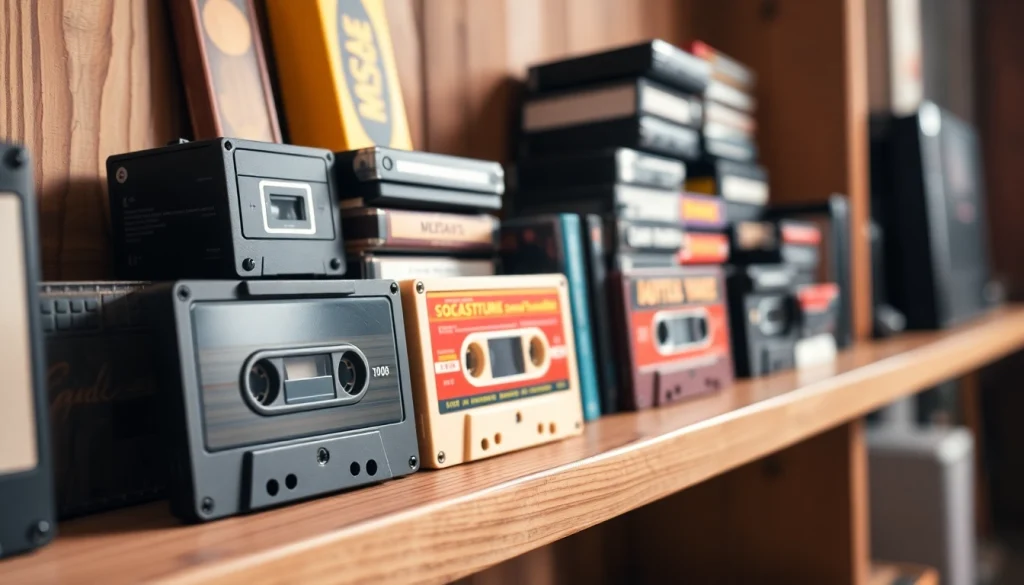
The Historical Significance of Audio Cassette
Origins and Evolution of the Audio Cassette
The audio cassette, officially known as the Compact Cassette, emerged in the 1960s as a user-friendly format for audio recording and playback. Initially developed by Philips, the compact cassette was designed to provide a convenient alternative to the bulkier reel-to-reel tapes that dominated the audio recording landscape. By compressing audio onto a magnetic tape housed within a plastic shell, it made home recording more accessible than ever before. The introduction of the audio cassette heralded a paradigm shift in how we recorded and listened to music, allowing for portability, ease of use, and affordability.
The evolution of the audio cassette did not stop there. Throughout the 1970s and 1980s, improvements in tape quality and player technology contributed to its widespread acceptance. By the mid-1980s, the audio cassette became the primary format for music distribution, taking over from vinyl records and making its mark on pop culture. The ability to create mixtapes, record radio shows, and even share personal recordings spawned a new cultural phenomenon.
Impact on Music Industry and Home Recording
The impact of the audio cassette on the music industry and home recording was profound. Artists and record labels quickly recognized the potential of this format to reach a broader audience. Unlike previous formats, the cassette allowed consumers to record their favorite music directly from the radio or other media sources, creating an unprecedented ability for fans to curate their playlists. This not only altered consumer behavior but also challenged the conventional distribution models of the music industry.
With the advent of home recording equipment, fans could easily create their content. This fostered a culture of independence, enabling aspiring musicians to record demos without the need for a professional studio. As cassette decks became a standard fixture in homes, the accessibility of recording technology demolished barriers for many whose voices would have otherwise remained unheard. Moreover, the tape’s relatively low production costs made it possible for indie labels to thrive, expanding the creative landscape significantly.
Cultural Phenomenon of the 80s and 90s
The cultural significance of the audio cassette reached its zenith during the 1980s and 1990s. The cassette was the soundtrack to a generation’s coming of age, featuring prominently in the youth culture of the time. The mixtape became more than just a collection of songs; it became an emotional artifact—an expression of feelings, relationships, and memories. Many individuals utilized mixtapes to convey emotional sentiments, often dedicating them to friends, lovers, or family members to show their affections.
Additionally, the advent of the Walkman in 1979 revolutionized how music was consumed. Portable audio players fanned the flames of cassette popularity, allowing listeners to enjoy their favorite tunes on the go. This shift paved the way for not only personal enjoyment but also the cultural phenomenon of listening in social settings, with people sharing their tapes and musical preferences.
The Mechanics Behind Audio Cassette Technology
How Audio Cassette Works: The Science
Understanding the mechanics of the audio cassette requires a dive into its inner workings. At its core, the audio cassette uses magnetic tape to store sound. The tape itself is made of a thin plastic film coated with a magnetic material. When sound is recorded, an electric signal is generated, which is then encoded onto the magnetic tape. This process involves magnetizing the tape in a way that corresponds to the sound waves being captured.
Playback involves reversing this process. A cassette deck reads the magnetic signals and converts them back into electrical signals that produce sound through speakers. The quality of sound is influenced by several factors, including the type of tape used, recording technique, and the quality of the cassette player itself. This fundamental principle allowed for a wide variety of audio experiences, from pristine recordings to more ambient sounds.
Different Types of Audio Cassette Variations
The audio cassette has several variations tailored for different uses. These include the standard Type I (normal bias), Type II (high bias), and Type IV (metal) tapes. Each type serves distinct purposes in terms of recording quality and application.
Type I tapes are suitable for general recording and playback, making them a popular choice for casual users. Type II tapes enhance performance and provide better sound quality due to their higher metal content. They are often used for music recordings, as they offer greater fidelity. Type IV tapes are designed for professional environments where the highest quality is paramount, though they demand compatible equipment to fully realize their potential.
Understanding Tape Formulas and Their Effects
The composition of the tape formula plays a critical role in audio quality. Different manufacturers may employ varying formulations to alter the magnetic properties of tape, impacting recording fidelity and durability. For instance, the presence of different metals in the tape’s surface can enhance response across the frequency spectrum, thus delivering a more nuanced sound. This deeper understanding of tape formulas enables collectors and enthusiasts to appreciate the subtle differences in audio experience across various cassette types.
Audio Cassette Collecting: A Growing Trend
Finding Valuable Audio Cassettes for Your Collection
As the interest in nostalgia and physical media has surged, collecting audio cassettes has become increasingly popular. Enthusiasts often seek rare or limited-edition releases, which can hold significant value among collectors. Auctions, thrift stores, and online platforms serve as treasure troves for finding hidden gems, and monitoring trends can help ensure that collectors are aware of rising stars or undervalued items.
Special collector’s editions often feature unique artwork or bundled extras, further enhancing their appeal. Networking with local record stores or online communities can offer insights into where the best finds are located, and what makes certain tapes highly sought after in the collector’s market.
Preservation Techniques for Audio Cassettes
As with any medium, the longevity of audio cassettes is subject to environmental factors. Preservation is key to maintaining their playback quality over time. Ensuring that tapes are stored in a cool, dry place away from sunlight can mitigate the effects of heat and humidity—both of which can warp tapes and degrade the magnetic audio quality.
Using protective cases can also prevent physical damage. Additionally, regularly checking for signs of mold, sticking, or other issues can help identify a tape’s suitability for continued playback. Many collectors engage in digitizing their cassettes to preserve the music while keeping the original artifacts intact.
Events and Communities: Connecting with Fellow Collectors
Participating in events such as record fairs, flea markets, and specialized cassette exhibitions is an excellent way for collectors to connect and share knowledge. Many cities host community events where enthusiasts gather to trade, sell, and discuss audio cassettes, fostering a rich dialogue about their significance and appeal.
Online forums and social media groups dedicated to cassette collecting serve as digital communities where users can share tips, showcase their collections, and seek advice. These platforms can yield valuable information and serve as a source of inspiration for collectors seeking specific titles or looking to expand their collection.
The Role of Audio Cassette in Modern Music
Resurgence of Audio Cassette in Today’s Music Scene
In recent years, the audio cassette has witnessed a remarkable resurgence, propelled largely by younger generations’ desire for tangible media in an age dominated by digital streaming. Many contemporary artists and bands are producing new music exclusively on cassette, recognizing the format’s nostalgic value and unique characteristics. This revival also aligns with a broader trend favoring authenticity and personal connection in artistic expression.
Numerous independent record labels have embraced this trend, offering limited runs that often combine music with striking visual designs. The marriage of vintage formats with modern sounds creates a distinct collectible that highlights the intersection of nostalgia and contemporary artistry.
Popular Artists and Labels Releasing on Audio Cassette
Some modern artists have ingeniously utilized the audio cassette by embracing its retro allure while innovating in sound. Many independent musicians recognize the cassette as an ideal medium for limited releases that cater to niche audiences. Likewise, independent labels have capitalized on cassette culture by providing unique packaging and exclusive content, often transforming their releases into collector’s items that resonate with both new listeners and veteran fans.
Artists from various genres including indie rock, punk, and hip-hop regularly release cassettes, showcasing their creativity not only in music but in the overall presentation of their art. Limited edition launches often sell out swiftly, underscoring the format’s continuing relevance in contemporary music culture.
Audio Cassette vs. Digital: A Comparative Analysis
The debate over audio cassette versus digital formats represents a fascinating evolution in audio consumption. While digital music provides convenience and accessibility, the audio cassette offers a unique listening experience characterized by its distinct sound quality. Many enthusiasts argue that the warmth of acoustic properties from cassettes often eclipses the precision associated with digital formats.
Moreover, the tactile experience of handling cassettes—reading lyric sheets, collecting artwork, inserting and removing tapes—fuels an emotional connection that digital music lacks. Ultimately, the preference between these formats often hinges on personal taste, values, and nostalgia, showcasing the enduring impact of the audio cassette across generations.
Where to Buy and Sell Audio Cassette
Online Platforms for Audio Cassette Purchase
In the age of e-commerce, numerous online platforms facilitate the buying and selling of audio cassettes. Websites dedicated to vintage media, as well as general e-commerce outlets, provide vast collections catering to every collector’s taste. These platforms allow users to curate their collection or unearth long-lost favorites effortlessly.
Established marketplaces often feature both new releases and second-hand cassettes, creating an extensive inventory for enthusiasts. Having the ability to search by genre, artist, or specific criteria enables collectors to find specific titles while also exposing them to new music they might enjoy.
Local Stores and Record Fairs for Cassettes
Exploring local stores and participating in record fairs can reveal an abundance of cassettes tucked away in crates and shelves. Often, these venues may carry unique collections that are not available online, making them valuable resources for enthusiasts. Local music shops frequently offer specialized inventory, and many even host events or community gatherings dedicated to collectors.
Record fairs serve as fantastic opportunities to engage directly with other collectors and sellers, promoting the community feel that accompanies audio cassette culture. With rare finds and opportunities for negotiation, these experiences add a unique flavor to cassette collecting.
Strategies for Selling Audio Cassettes Effectively
For those looking to sell their audio cassettes, understanding market trends and buyer preferences is crucial. Effective strategies include presenting cassettes in clean, attractive packaging and providing accurate descriptions and conditions. Building an online presence through social media or platforms dedicated to vinyl and cassette trading can enhance visibility among potential buyers.
Networking with local collectors can also facilitate sales while fostering community relationships. Engaging with online forums dedicated to cassette culture can reveal insights into pricing trends and effective selling techniques to ensure that sellers can make the most of their collections.