Understanding the Importance of Smog Check
What Is a Smog Check?
A Smog Check is an important inspection process that assesses the emissions produced by a vehicle. States implement these checks to ensure that vehicles are compliant with local air quality regulations and standards. During the process, a trained technician evaluates various components of the vehicle’s emissions system to identify any excess emissions of hydrocarbons, nitrous oxides, and other harmful pollutants that can contribute to air pollution.
Why Smog Checks Matter for Vehicle Owners
There are several reasons why smog checks are essential for vehicle owners. Firstly, they help maintain the vehicle’s efficiency, which can lead to better fuel economy. Regular inspections can also uncover underlying issues that, if left unchecked, could lead to costly repairs down the line. Moreover, failing to pass a smog check can prevent vehicle registration or renewals, limiting the owner’s ability to legally drive their vehicle. By participating in smog checks, vehicle owners also contribute to healthier air quality in their communities.
The Environmental Impact of Smog Checks
The environmental implications of smog checks extend well beyond individual vehicles. These checks significantly reduce the number of pollutants released into the atmosphere, helping to improve overall air quality. According to environmental studies, the enforcement of stringent emissions standards results in measurable decreases in respiratory diseases and other health problems associated with air pollution. Furthermore, smog checks encourage manufacturers to produce vehicles that emit fewer pollutants, fostering an industry that prioritizes sustainability and responsibility.
Preparing Your Vehicle for a Smog Check
Essential Pre-Check Maintenance Tips
Preparing your vehicle for a smog check is crucial for ensuring it passes the inspection. Start with routine maintenance checks, such as ensuring that your oil is fresh and that air filters are clean. Inspect the spark plugs and ignition system to ensure they are functioning effectively. It is also advisable to check for any leaks in the fuel system, as well as ensuring that the gas cap seals properly, as failing to do so can lead to excess emissions.
Common Issues that Cause Failures
Understanding common issues that lead to smog check failures can help vehicle owners take proactive measures. One frequent cause of failure is an illuminated check engine light, which can signal a problem within the vehicle’s emissions system. Other potential issues include a malfunctioning catalytic converter, worn spark plugs, or excessive exhaust leaks. It’s beneficial for vehicle owners to have a knowledgeable mechanic conduct a pre-check assessment to identify and resolve these issues prior to the official smog check.
Gathering Necessary Documentation
Before heading to a smog check, it’s important to gather all necessary documentation. This includes the vehicle's registration and proof of insurance. Some states may require previous smog check results or specific paperwork about the vehicle's emission system modifications. Having these documents on hand can streamline the process and make your appointment more efficient.
The Smog Check Process Explained
Typical Steps in a Smog Check
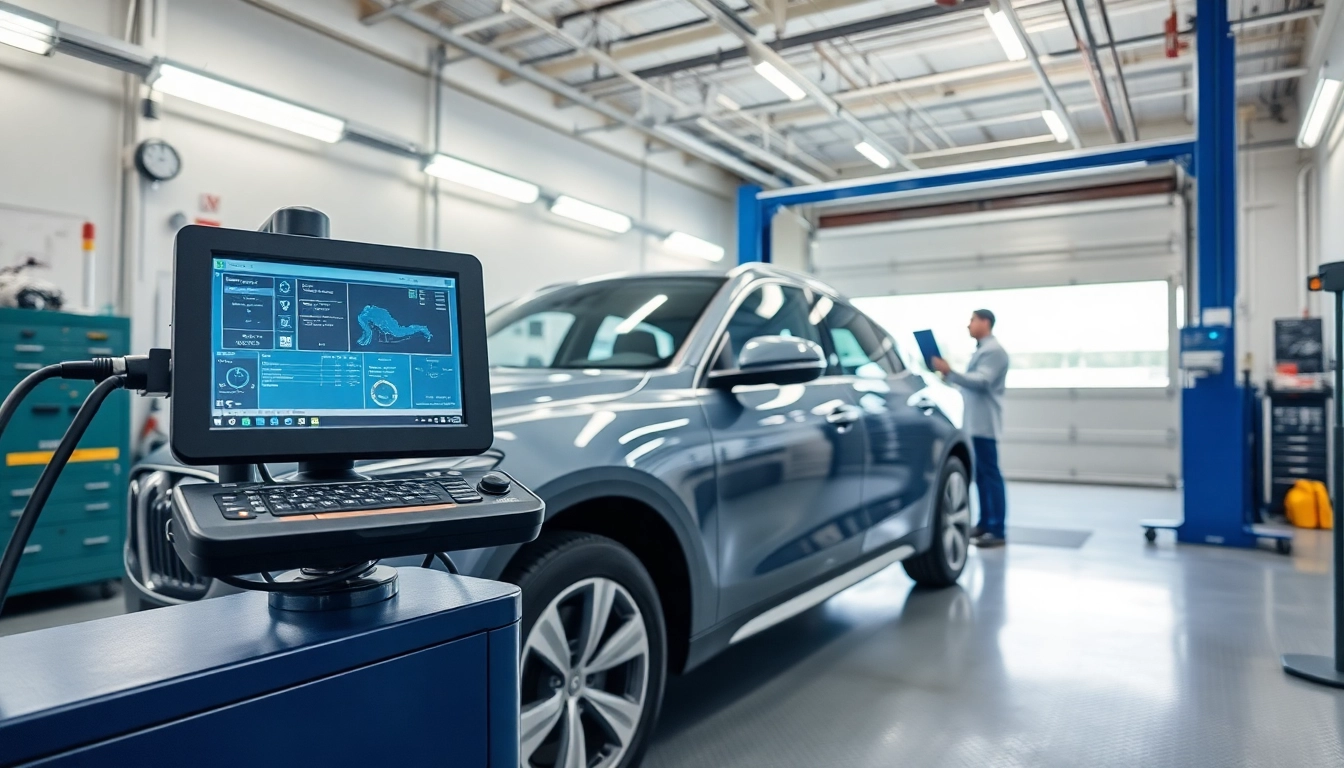
The smog check process generally follows a structured sequence of steps. Initially, a technician will perform a visual inspection of the vehicle, checking for modifications or visible signs of issues in the emissions system. Next, emissions testing is conducted, which may involve the vehicle being placed on a dynamometer to simulate driving conditions. The results from sensors reflect how much pollution the vehicle emits while operating within those conditions.
Understanding Emissions Testing Methods
There are two primary emissions testing methods: tailpipe testing and onboard diagnostics (OBD) testing. Tailpipe testing involves measuring the emissions directly from the exhaust while the vehicle is running. In contrast, OBD testing utilizes the vehicle’s onboard computer system to check for trouble codes that indicate malfunctions in the emissions system. Many modern vehicles use the OBD method, providing a quicker and often more reliable result.
What to Expect During Your Appointment
During your smog check appointment, expect to provide necessary documents and wait while the technician conducts the inspection. The entire process typically takes about 30 minutes to an hour, depending on the vehicle and any potential issues identified. Technicians may take additional time if repairs are required on-site. Once completed, you will receive a smog check certificate that indicates whether your vehicle has passed or failed the inspection.
After Your Smog Check: Next Steps
Interpreting Your Smog Check Results
Upon receiving your smog check results, it’s important to understand what they mean. If your vehicle has passed, the next steps usually involve renewing your vehicle registration. However, if your vehicle has failed, the report will detail the specific issues causing the failing grade. It is crucial to address these problems promptly to prevent further complications and get your vehicle back on the road legally.
Addressing Common Repairs
When your vehicle fails a smog check, common repairs may be required to bring it back into compliance. This may include replacing the catalytic converter, fixing exhaust leaks, or correcting air-to-fuel ratio issues. Prioritize repairs that directly impact emissions to ensure a successful follow-up inspection. It’s advisable to consult with a certified mechanic who has experience with emissions systems to prevent unnecessary expenses and confirm the issues are accurately addressed.
Renewing Your Registration After a Smog Check
Once your vehicle has passed the smog check, you can renew your vehicle registration. This typically involves visiting your local Department of Motor Vehicles (DMV) and presenting your smog check certificate along with any additional required documentation. Depending on your state, renewal may be completed online, by mail, or in person. Be sure to renew on time to avoid fines or penalties associated with driving an unregistered vehicle.
FAQs About Smog Check
How Often Do I Need a Smog Check?
The frequency of smog checks depends on your location and the type of vehicle you own. Many states require a smog check every two years, while some may have annual requirements or specific conditions that trigger additional checks. Be sure to familiarize yourself with local regulations regarding smog checks to stay compliant.
What Happens If My Vehicle Fails?
If your vehicle fails a smog check, you will receive a detailed report explaining the reasons for the failure. You will need to repair the issues identified and retake the smog check. Some states may offer a grace period or assistance programs to help vehicle owners cover the costs of necessary repairs.
Can I Drive Without a Smog Check?
In most cases, it is illegal to drive a vehicle without a valid smog check certificate, especially in regions where they are mandated. Driving without a valid check can result in fines and complications when trying to renew your vehicle registration. It’s always advisable to keep your vehicle compliant with local air quality regulations to avoid legal issues.