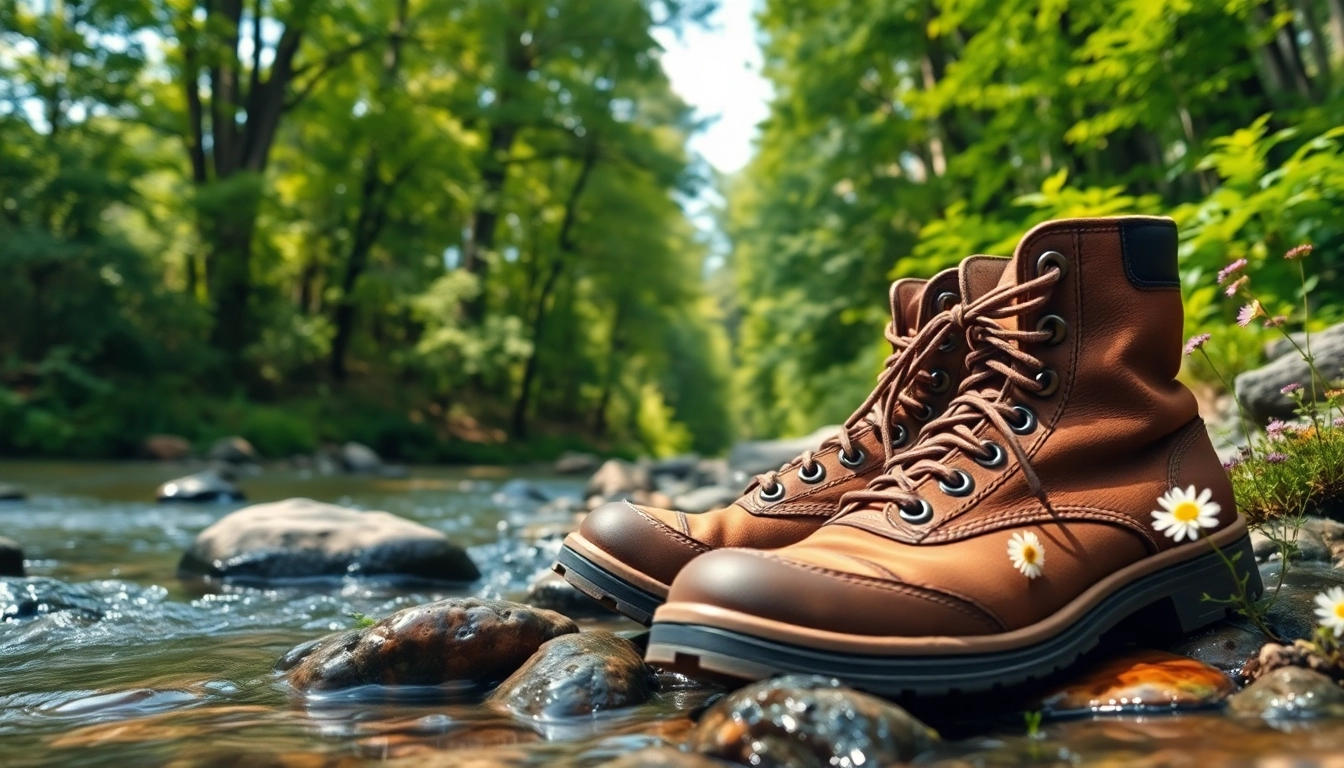
Understanding Fly Fishing Boots
What are Fly Fishing Boots?
Fly fishing boots are specialized footwear designed to provide anglers with the necessary support, comfort, and protection while navigating waterways. Unlike regular hiking or outdoor boots, these boots are crafted specifically for the rigors of fly fishing. They often feature a waterproof exterior, non-slip soles, and a snug fit to ensure stability in slippery, uneven terrains.
Whether you are wading into a stream or navigating rocky shorelines, the right pair of fly fishing boots can make a significant difference in your fishing experience. With features tailored to enhance grip and water resistance, these boots are essential for both novice and seasoned anglers alike.
Key Features to Look For
When selecting fly fishing boots, it’s important to recognize the critical features that enhance performance and comfort. Key attributes include:
- Waterproofing: Ensuring your feet stay dry is crucial. Look for boots with advanced waterproof membranes that prevent water ingress while allowing breathability.
- Grip: The soles of fly fishing boots should be equipped with aggressive tread patterns. Rubber soles with well-defined lugs enhance traction on slippery surfaces, providing safety and stability.
- Cushioning: Ample cushioning, especially in the midsole, helps absorb shocks and impacts, facilitating longer treks along rugged paths.
- Support: Boots offering ankle support are beneficial for maintaining balance and reducing the risk of sprains or injuries while wading in unpredictable conditions.
- Quick Drying: Materials that dry quickly help prevent discomfort and the growth of bacteria or fungi, which can occur in damp conditions.
Types of Fly Fishing Boots
Fly fishing boots come in various styles, each catering to different fishing conditions and angler preferences. The most common types include:
- Wading Boots: These typically feature a lower cut, allowing for easy movement and often have felt or rubber soles for superior traction in water.
- Hip Boots: Extending up to the waist, hip boots allow you to navigate deeper waters while providing greater insulation against cold water.
- Chest Waders: These are integrated with boots and provide complete waterproof coverage. Ideal for cold-weather fishing or deeper waters, they keep the angler completely dry.
- Sandals: For hot summer days or tropical destinations, breathable sandals can be effective, offering comfort while ensuring water drainage.
The Importance of Proper Fit in Fly Fishing Boots
Measuring Your Feet for Optimal Fit
Proper fit is paramount when selecting fly fishing boots. A poor fit can lead to discomfort, blisters, and decreased mobility. To find the right size:
- Measure Your Feet: Always measure both feet, as they may vary in size. Stand on a piece of paper, trace your foot, and measure the length and width.
- Consider Sock Thickness: If planning to wear thick socks, measure with those on. The thickness can significantly affect fit.
- Try Before You Buy: If possible, try on boots toward the end of the day when your feet are slightly swollen to ensure a perfect fit during long fishing trips.
Testing Comfort and Stability
Once you’ve chosen a potential size, it’s imperative to assess the comfort and stability of the boots:
- Stand and Walk: Walk on various surfaces in the store to gauge comfort. Pay close attention to pressure points on the foot and ankle.
- Check the Ankle Support: Stabilizing your ankle is crucial in uneven terrain. Bend your knees and flex your ankles to ensure the boot supports your movement.
- Flexibility: The boot should allow for natural movement of the foot without restrictions. Flexibility can lead to better balance and a more enjoyable fishing experience.
Adjustable Features in Fly Fishing Boots
Look for adjustable features that enhance the fit and functionality of your fly fishing boots:
- Lacing System: Boots with a solid lacing system allow for complete customization. Ensure you can tighten or loosen them as needed.
- Additional Straps: Some models come with straps that secure the boot at the ankle. These provide extra support and prevent debris from entering the boot.
- Gaiters: Consider boots that allow for gaiters, which provide additional protection against water and debris.
Materials and Construction of Fly Fishing Boots
Waterproof Properties Explained
The essence of a good fly fishing boot lies in its waterproofing technology. Quality fly fishing boots use a variety of materials, typically embracing membranes such as Gore-Tex, which offer excellent waterproofing while ensuring breathability. Here’s what to consider:
- Membrane Technology: Look for boots that feature waterproof membranes, which keep water out while allowing sweat vapors to escape.
- Sealed Seams: Ensure seams are sealed to prevent water from seeping in through stitching points.
- Waterproof Materials: Evaluate the outer materials. Leather or synthetic options that repel water are highly advantageous.
Durability Considerations
Fly fishing boots incur significant wear and tear, so durability is essential. Consider the following aspects when assessing durability:
- Material Quality: High-quality materials often yield longer-lasting boots. Reinforced materials in high-contact areas can reduce wear significantly.
- Construction Techniques: Boots with welded seams and robust stitching are generally more durable. Reviews often provide insights into long-term performance.
- Brand Reputation: Opting for brands known for their durability can be pivotal when choosing your fly fishing boots.
Weight and Mobility Aspects
The balance between weight and stability is crucial. While you want robust boots that can handle rugged terrain, they shouldn’t be excessively heavy:
- Lightweight Materials: Look for boots made from advanced lightweight synthetic materials that do not compromise durability.
- Streamlined Design: A well-constructed boot should fit snugly without excess bulk, allowing you to maneuver easily.
Maintenance Tips for Your Fly Fishing Boots
Cleaning and Drying Procedures
Regular maintenance extends the life of your fly fishing boots and keeps them functioning at peak performance. Follow these tips for proper care:
- Cleaning: Rinse your boots with fresh water after each use to remove debris and saltwater, which can cause corrosion. Use a soft brush for stubborn dirt.
- Drying: Always allow your boots to air dry away from direct sunlight or heat sources, which can cause materials to crack or shrink. Stuffing with newspaper can help absorb moisture.
Preventing Damage and Wear
Taking preventive measures can significantly prolong the life of your boots:
- Avoiding Sharp Objects: Be mindful of where you walk—sharp rocks or barnacles can puncture the boot material.
- Storing Properly: When not in use, store your boots in a cool, dry place. Avoid compressing them, which can lead to misshapen structures.
Repairing Common Issues
With wear and tear, some issues may arise over time:
- Waterproofing Restoration: Reapply a waterproof treatment if your membranes seem compromised. Various sprays and waxes are available on the market.
- Patching Holes: Use specific patches designed for waterproof shoes to address any punctures or tears.
Where to Buy Quality Fly Fishing Boots
Top Brands in Fly Fishing Boots
Identifying reputable brands can streamline your selection process. Some renowned manufacturers in the fly fishing boot market include:
- Simms: Known for their high-quality builds and attention to detail, Simms offers a range of options suitable for various conditions.
- Orvis: Renowned for blending comfort with technology, Orvis boots are well-regarded among fly fishing enthusiasts.
- Hodgman: Offering affordable yet durable options, Hodgman boots cater to both entry-level and experienced anglers.
- Redington: Known for quality at a reasonable price, Redington has become a favorite among intermediate anglers.
Online versus In-store Shopping Experiences
When it comes to purchasing fly fishing boots, both online and in-store shopping have their advantages:
- In-store: Trying on boots provides a feel for fit and comfort. It allows you to ask questions directly from knowledgeable staff.
- Online: The convenience of online shopping allows you to browse a wider selection, compare prices, and read customer reviews. Sites often provide detailed size charts and return policies, ensuring informed decisions.
Understanding Price Ranges and Quality
Fly fishing boots vary widely in price based on features, brand reputation, and material quality. General price ranges include:
- Entry-Level ($50 - $100): Suitable for novice anglers, these boots offer basic features but may lack durability and advanced waterproof technology.
- Mid-Range ($100 - $200): Balanced in price and performance, mid-range boots often provide better support, comfort, and materials.
- Premium ($200+): High-end options feature advanced technologies, superior waterproofing, and extended durability, ideal for serious anglers who fish frequently and in challenging conditions.