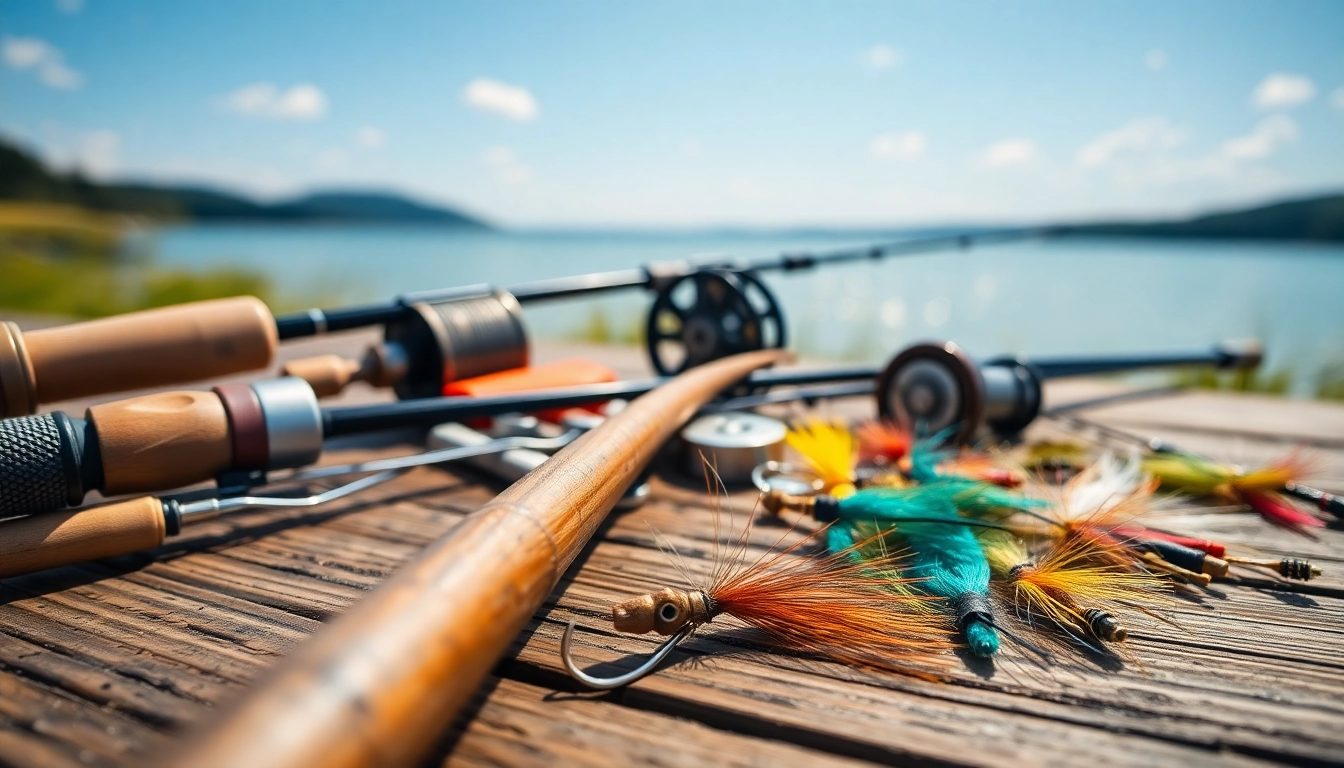
Understanding the Basics of a Fly Fishing Kit
For both novice and seasoned anglers, selecting the right fly fishing kit is paramount to an enjoyable and successful fishing experience. The term "fly fishing kit" encompasses a variety of essential components designed to meet the needs of anglers of all skill levels. This comprehensive guide will delve into what typically comprises a fly fishing kit, including the variety of gear available, ensuring you make an informed choice when you purchase your own Fly fishing kit.
What’s Included in a Fly Fishing Kit?
A well-rounded fly fishing kit primarily includes the following components:
- Fly Rod: The rod is the primary tool used to cast your fly. It varies in length and weight depending on the fishing environment and target species.
- Fly Reel: This component holds the fly line and is critical for playing and landing fish.
- Fly Line: Specially designed to float or sink, the fly line is essential for casting your fly.
- Backing: This thin line connecting the fly line to the reel provides additional line capacity, important for fighting larger fish.
- Leader Line: This clear line connects the fly to the main line and helps in presenting the fly naturally.
- Flies: Artificial flies come in various patterns to mimic the prey fish eat. Including a selection of dry flies, wet flies, and nymphs can enhance your fishing success.
- Accessories: Essential tools like forceps, nippers, and a floatant may also be included.
Types of Fly Fishing Rods and Reels
Understanding the different types of fly fishing rods and reels is essential in building a complete kit. Rods come in various lengths and weights. For instance:
- Weight: Rods are typically categorized by weight (e.g., 3wt, 5wt). A 5wt rod is ideal for most freshwater species like trout, while a heavier rod (9/10wt) is suitable for larger fish.
- Length: Longer rods are advantageous for distance casting, while shorter rods offer greater control in tight spaces, like small streams.
Reels, on the other hand, can be categorized as:
- Single-Action Reels: Simple to use and lightweight, good for small fish in calm waters.
- Multiplying Reels: Heavy-duty designs suited for larger fish, employing a gearing mechanism for easier retrieval.
Essential Accessories for Your Fly Fishing Kit
Accessories play a significant role in enhancing your fly fishing experience. A comprehensive kit should feature:
- Forceps: Helpful for removing hooks safely from fish.
- Nippers: Essential for cutting line quickly.
- Lead and Tippet Material: Helps in constructing leaders and modifying your line setup as needed.
- Floating Device: Ensures your flies remain buoyant.
- Fly Box: Protects and organizes your flies while you’re out on the water.
Choosing Your Perfect Fly Fishing Kit
Selecting an appropriate fly fishing kit necessitates evaluating different factors tailored to your experience level, the type of water you're fishing, and your budget. Understanding these factors is crucial for making a sound investment.
Beginners: Essential Features to Look For
For novice anglers, a basic, user-friendly fly fishing kit can greatly encourage participation in the sport. Key features to consider include:
- Durability: Opt for materials that withstand wear and tear, such as lower grade graphite for rods.
- Ease of Use: Kits with pre-spooled reels reduce the complexity of setup.
- Versatility: A 5wt rod and reel combo is ideal for fishing various species in diverse waters.
- Value for Money: Ensure the kit includes necessary components to minimize the need for additional purchases early on.
Advanced Kits: Upgrading Your Gear
Experienced anglers might seek advanced kits with options tailored for specific fishing styles. Look for:
- Specialty Rods: Rods designed for specific types of fishing, such as switch rods for steelhead.
- Higher Quality Components: Pay attention to high-end reels with better drag systems for smoother performance.
- Customization: Ability to swap out components like lines and rods based on specific fishing conditions.
Price Ranges and Value Comparison
Fly fishing kits can range from budget-friendly options to high-end gear, often costing anywhere from $100 to $1,000. When comparing options, consider not only the initial investment but also the long-term value each kit offers in terms of performance and durability.
Budget kits are generally more affordable, but they may lack performance and durability. Conversely, premium kits often showcase better craftsmanship but may exceed a beginner's budget. Finding the right balance is essential.
Tips for Setting Up Your Fly Fishing Kit
Once you've chosen your fly fishing kit, setting it up correctly is crucial to ensure a seamless fishing experience. Here are some helpful tips.
Step-by-Step: Assembling Your Gear
To set up your fly fishing kit, follow these steps:
- Attach the reel to the rod using the designated fittings.
- Thread the fly line through the rod guides, starting at the bottom and moving toward the top.
- Connect the backing to the reel and wind the line onto the reel.
- Add the leader line to the end of the fly line, tying an appropriate knot.
- Finally, attach your chosen fly to the leader line using a loop knot for better movement.
Common Setup Mistakes to Avoid
Avoid these common pitfalls when assembling your kit:
- Failing to check for tangles in the line which can hamper your casting.
- Not adjusting your drag settings on the reel appropriately.
- Using connections that are not secure can lead to losing fish after a catch.
How to Choose the Right Fly Line
The right fly line selection is crucial for effective casting and performance. Key considerations include:
- Type of Water: Floating lines work well for surface flies, while sinking lines are better for deep water.
- Fish Species: Tailor the line weight to the species targeted, as each fish may react differently to fly presentation.
- Weather Conditions: Windy conditions may require heavier lines to maintain control and accuracy.
Maximizing Your Fly Fishing Experience
Enhancing your fly fishing experience involves applying best practices before, during, and after your outings.
Best Practices for Using Your Fly Fishing Kit
Master the techniques for a more productive fishing trip by considering the following:
- Practice Casting: Regular practice ensures better distance and accuracy.
- Observe Water Conditions: Look for currents, ripples, and movement that indicate fish presence.
- Be Stealthy: Minimizing noise and movement increases the likelihood of approaching fish.
Choosing the Right Location for Fly Fishing
Your choice of fishing location can greatly impact your success. Factors to consider include:
- Water Type: Rivers, lakes, and streams offer different fishing conditions.
- Seasonality: Different species thrive in varying water temperatures and seasons. Research migratory patterns for best chances.
- Access Points: Consider ease of access and local regulations when selecting fishing locations.
Coordinating Seasonal Gear Adjustments
Seasons affect fish behavior and habitat, necessitating adjustments to your gear. Key considerations include:
- Water Temperature: Fish become more active in warmer waters, often requiring changes in line and fly types.
- Weather Patterns: Overcast conditions can impact fish feeding and should influence your fly choice.
- Seasonal Species Behavior: Certain species are more active during specific periods of the year, affecting the flies you should carry.
Frequently Asked Questions About Fly Fishing Kits
What is the best fly fishing kit for beginners?
The best fly fishing kit for beginners should include an easy-to-use rod and reel combination, a selection of versatile flies, and basic accessories for setup.
How do I maintain my fly fishing kit?
Regularly clean your rods and reels after use, check for line impairments, and store your gear in a cool, dry place to ensure its longevity.
What type of fly fishing tackle do I need?
Essential tackle includes a fly rod, reel, line, leader, and flies. Additional tools can enhance your experience, including nippers and forceps.
Can I customize my fly fishing kit?
Yes, many fly fishing kits allow customization of rods, reels, and fly selections based on personal preferences and fishing styles.
Where can I find quality fly fishing kits?
Quality fly fishing kits can be found at sporting goods stores, specialty fishing retailers, and online marketplaces specializing in fishing gear.