Introduction to Videography
In an era where visuals speak volumes, the role of a Videographer has become increasingly significant. This article delves into the multifaceted world of videography, exploring its importance, skills, services, equipment, style development, and business strategies. Whether you are an aspiring videographer or seeking to enhance your understanding of the industry, this comprehensive guide will provide valuable insights and practical tips.
What Defines a Videographer
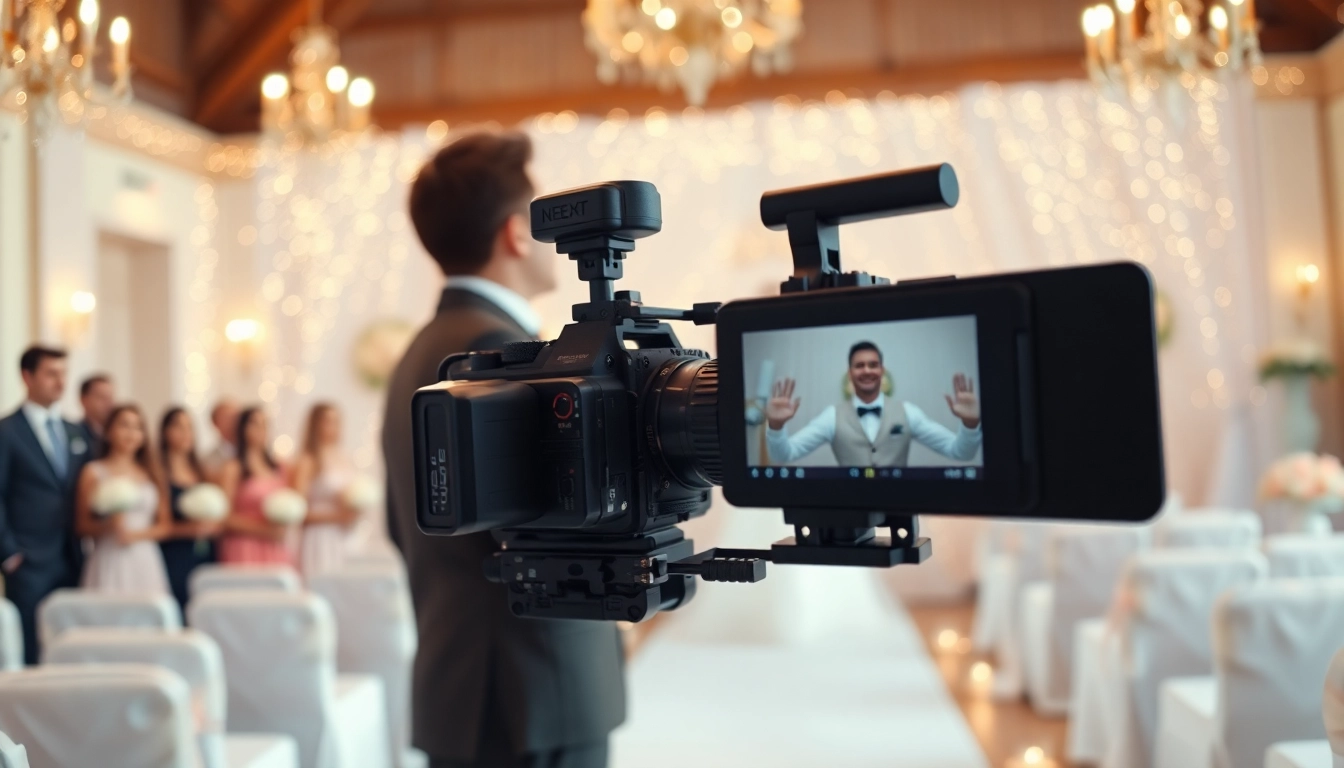
A videographer is primarily responsible for capturing, editing, and producing video content. Unlike a cinematographer, who typically focuses on capturing the artistic essence of films, a videographer often works with a diverse range of projects, including events, corporate videos, and personal projects.
The craftsmanship of a videographer transcends mere recording; it involves storytelling through visuals and sound. This requires understanding both the technical and creative aspects of video production. Videographers often serve in various roles, such as director, editor, and even producer, depending on the project’s scale and requirements.
The Importance of Videography in Events
Videography has revolutionized how we document and experience events. From weddings to corporate conferences, the presence of a skilled videographer can significantly enhance the way these moments are preserved and shared. Videography brings a sense of storytelling that photographs alone cannot capture, allowing viewers to relive the emotions and atmosphere of an event.
In the realm of marketing, businesses increasingly utilize video content to promote their products and services. With the rise of social media platforms, engaging video content can reach a broader audience, making it a vital part of any effective marketing strategy. The ability to create compelling video narratives is imperative in today’s visual-centric market.
Key Skills for a Successful Videographer
Success in videography requires a diverse set of skills that blend creativity with technical proficiency. Here are some essential skills a successful videographer should possess:
- Technical Skills: Proficiency in video equipment, editing software, and understanding camera settings are crucial.
- Storytelling Ability: A great videographer knows how to convey a message through visuals effectively.
- Attention to Detail: Capturing the small moments can often make a significant difference in storytelling.
- Interpersonal Skills: Building rapport with clients and interview subjects helps in capturing genuine emotions.
- Problem-Solving Skills: Challenges can arise suddenly; a good videographer must think on their feet.
Types of Videography Services
Weddings and Celebrations
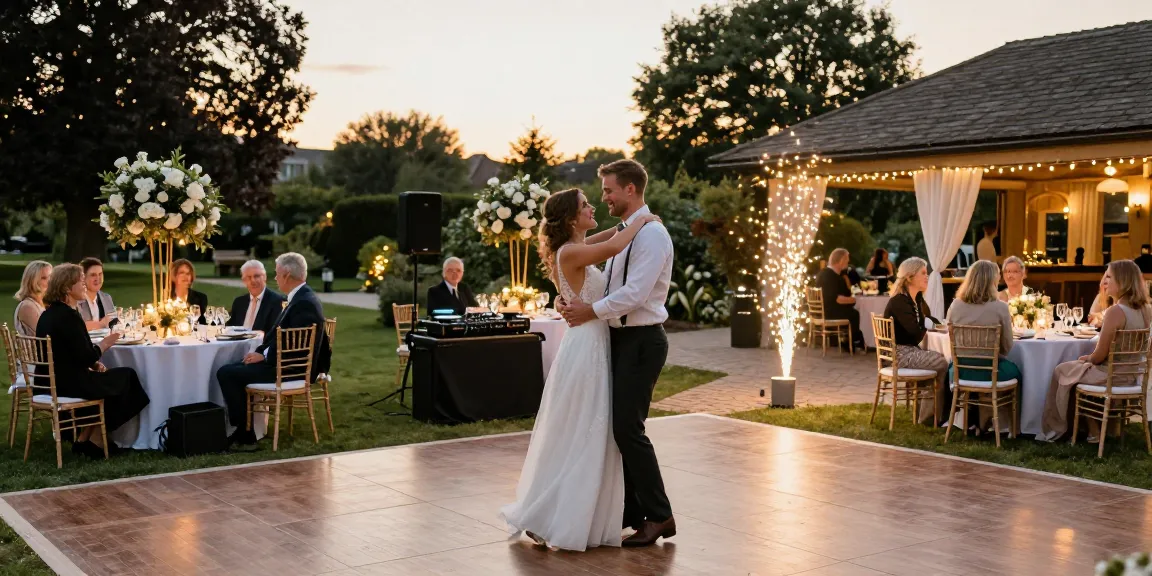
Weddings are one of the most popular areas for videography services. Couples increasingly recognize the value of having their special day documented in a cinematic fashion. Wedding videographers not only record the ceremony but also capture the nuances of the day—from the nervous anticipation before the walk down the aisle to the joyous moments on the dance floor.
Services often include highlight reels, full-length documentaries, and live streaming options for guests who cannot attend. Offering varied packages allows videographers to cater to different budgets and preferences while ensuring each couple receives a unique representation of their love story.
Corporate and Promotional Videography
For businesses, high-quality video content is an essential tool for branding and marketing. Corporate videography may involve promotional videos, product demos, training videos, and testimonials. The goal is to effectively communicate the brand's message and resonate with the target audience.
For instance, a company may use video content to highlight its values, showcase customer success stories, or provide insights into a product's usability. Given that video content often has higher engagement rates on social media, businesses leverage videography for advertising campaigns and brand awareness strategies.
Documentary and Creative Projects
Beyond weddings and corporate events, videography plays a pivotal role in documenting stories and experiences through documentaries. This genre demands a different approach as it often requires extensive research, scripting, and an understanding of the subject matter to portray it authentically.
Creative projects can vary extensively, from short films and music videos to experimental pieces. This type of work allows videographers to showcase their unique style and storytelling techniques, pushing the boundaries of conventional videography.
Choosing the Right Equipment
Essential Gear for Every Videographer
The choice of equipment can significantly influence the quality of the final product. Essential gear includes:
- Cameras: DSLRs and mirrorless cameras offer versatility, while camcorders are great for continuous shooting.
- Tripods and Stabilizers: Keeping shots steady is vital, so investing in good tripods, sliders, and gimbals is beneficial.
- Lighting: Proper lighting can dramatically improve video quality; softboxes and LED panels are popular choices.
- Microphones: Quality audio is equally important; shotgun mics and lavalier microphones ensure clear sound capture.
Understanding Camera Settings
To maximize the potential of your equipment, it's crucial to understand camera settings such as ISO, aperture, and shutter speed. Each setting plays a critical role in how the final video looks:
- ISO: Determines the sensitivity of your camera's sensor to light; a lower ISO is preferred to minimize grain.
- Aperture: Influences the depth of field; a wide aperture (e.g., f/2.8) creates a blurred background effect.
- Shutter Speed: A higher shutter speed captures fast-moving subjects clearly, while a slower speed adds motion blur for effect.
By mastering these settings, videographers can create visually stunning content that resonates with viewers.
Audio Equipment for High-Quality Sound
While captivating visuals are essential, high-quality audio is equally critical in videography. Poor audio can detract from even the most beautifully shot video. Investing in good audio equipment is a must:
- Field Recorders: Portable recorders capture high-fidelity sound on location.
- Shotgun Microphones: Aimed microphones that capture sound from a specific direction are vital for interviews and dialogues.
- Lavalier Microphones: Ideal for capturing speech in an unobtrusive manner, these are great for interviews and presentations.
Understanding audio levels, mic placement, and capturing sound in various environments enhances the overall quality of videography projects.
Developing Your Videography Style
Finding Your Aesthetic Voice
As a videographer, developing a unique style can set you apart in a crowded market. This involves experimenting with different techniques and aesthetics until you find what resonates with you. Consider the genres you enjoy the most—be it documentary, narrative, or promotional—and adopt techniques that appeal to those styles.
Look at influences beyond videography; photography, painting, and even literature can inspire your visual storytelling. Over time, your aesthetic voice will evolve and will be a reflection of your experiences and interests as a creator.
Editing Techniques to Enhance Your Work
The post-production phase is where the video truly comes together. Editing isn’t just about cutting footage; it’s about crafting a narrative. Techniques such as color grading, transitions, and sound design can enhance emotional impact and storytelling effectiveness:
- Color Grading: Use color grading to set the mood; warmer tones can evoke feelings of happiness, while cooler tones may convey somberness.
- Transitions: Smooth transitions maintain the flow and create a cohesive viewing experience.
- Sound Design: Incorporating sound effects and music can amplify the emotional weight of scenes and enhance the viewer’s experience.
Regularly refining your editing skills can significantly elevate the quality of your videos and engage your audience more effectively.
Staying Current with Industry Trends
The videography landscape is continuously evolving with new technological advancements and artistic trends. To stay relevant and competitive, it’s important to keep abreast of industry trends:
Attend workshops and conferences, follow industry leaders on social media, and participate in online forums or communities. Engaging with fellow videographers can provide fresh perspectives and inspiration, while helping you to broaden your skill set and stay ahead of the curve.
Building a Successful Videography Business
Marketing Strategies for Videographers
Once you've honed your craft, the next step is promoting your services effectively. Developing a strong personal brand can help attract clients:
- Establish a Portfolio: Showcase your best works on a professional website to attract potential clients.
- Utilize Social Media: Platforms like Instagram and YouTube are excellent for sharing your work and connecting with audiences.
- Leverage SEO: Optimize your web presence using relevant keywords to make your services easily discoverable online.
Creating an Impressive Portfolio
Your portfolio is your calling card as a videographer. It should encapsulate your best work and offer an insight into your style:
Include a variety of projects—highlight reels for weddings, corporate promotions, and personal creative projects. Keep your portfolio updated and ensure it reflects your current capabilities and interests. Consider also adding behind-the-scenes content that illustrates your process and creativity.
Networking and Finding Clients
Networking is crucial for a successful videography career. Building relationships within the industry can lead to referrals and collaborations, greatly expanding your client base:
Attend local events, join online groups, and connect with other creatives in your area. Consider offering your services for non-profits or community events initially; this can build your portfolio and establish your reputation while you gain experience.
Conclusion
Videography is a dynamic and evolving field that blends technical proficiency with creative storytelling. As a videographer, the journey encompasses mastering your craft, exploring diverse project types, and developing a personal style. By investing in the right equipment, embracing lifelong learning, and implementing effective marketing strategies, you can carve a niche for yourself and build a thriving career in this exciting industry. Your ability to craft visual narratives will not only preserve moments but also resonate deeply with audiences, leaving a lasting impact.