Introduction to Light & Airy Photography
Light & airy photography is a style that celebrates the beauty of soft tones, gentle lighting, and a sense of ethereal bliss in imagery. Photographers harness natural light to create images that evoke feelings of warmth and happiness. This technique is particularly popular in portrait, lifestyle, and wedding photography, where the aim is often to capture joyful moments amid soft, diffuse backgrounds. Understanding the fundamentals of Light & airy photography allows photographers to transform ordinary scenes into captivating visual stories.
What is Light & Airy Photography?
Light & airy photography is characterized by its lightweight aesthetic, which blends soft, pastel colors with high exposure levels. This style typically utilizes natural light and takes advantage of bright locations, resulting in images that appear bright and gentle. It emphasizes softer tones and minimalistic compositions that draw the viewer’s focus to the subjects while allowing the background to create an idyllic atmosphere.
The Importance of Lighting
In light & airy photography, the most crucial element is lighting. Natural light, particularly during the “golden hour” (one hour after sunrise and one hour before sunset), provides the softest and most flattering light. Furthermore, photographers often seek shaded or overcast situations where light is diffused, reducing harsh shadows and creating an even, soft glow. Understanding how to manipulate and utilize different lighting conditions enhances the light & airy effect exponentially.
Best Equipment for Beginners
For those just starting with light & airy photography, having the right equipment is essential. A camera with manual settings—such as a DSLR or mirrorless camera—allows photographers to adjust aperture, shutter speed, and ISO, which are critical for fine-tuning exposure. A fast lens (such as an f/1.8 or f/2.8) is ideal for achieving that dreamy bokeh effect while a sturdy tripod ensures stability, particularly in softer light conditions.
Understanding Your Subject in Light & Airy Photography
Selecting the Right Subjects
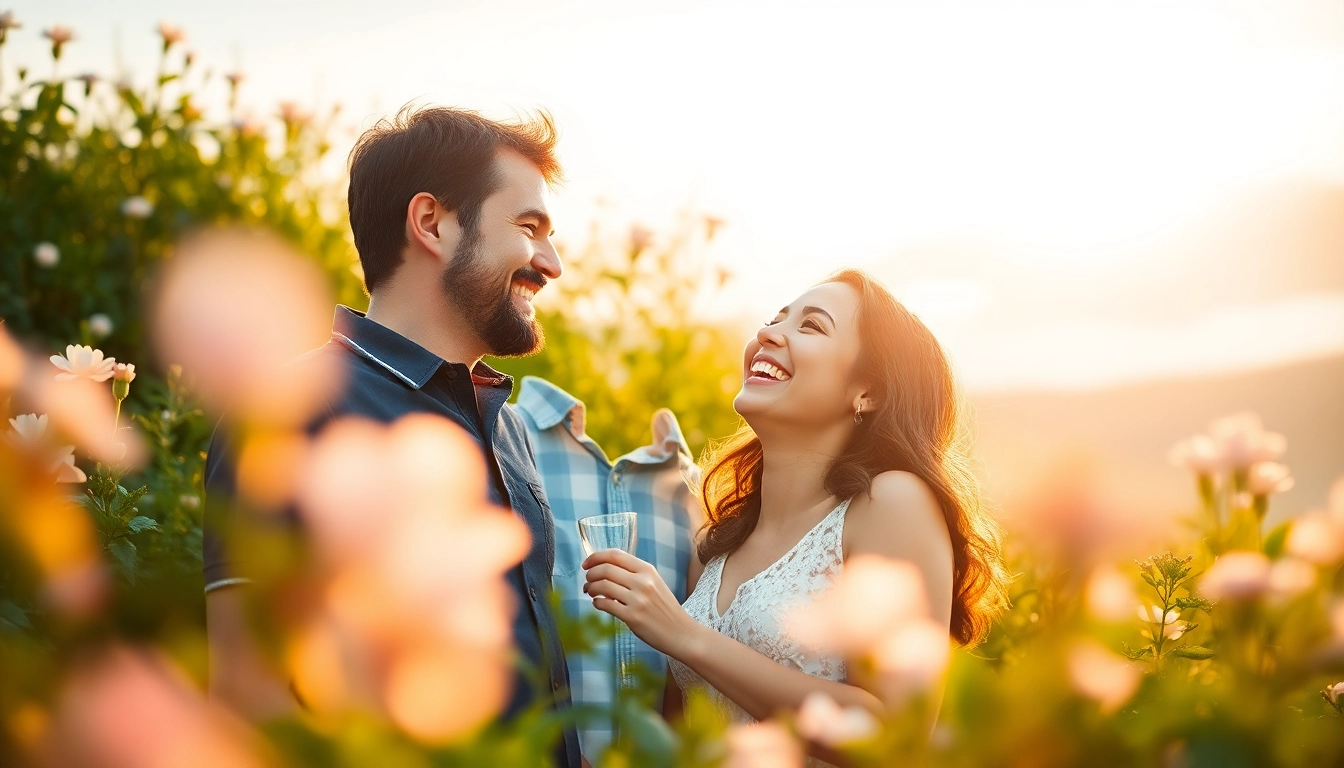
Choosing the right subjects is paramount in light & airy photography. Ideal subjects include individuals or groups that exude joy, playfulness, or romance, all of which resonate beautifully with the soft aesthetic. Natural settings, such as open fields or lush gardens, lend themselves wonderfully to this style, providing a contrast to the subjects while evoking a sense of tranquility.
Conveying Emotions in Your Shots
Capturing genuine emotion is at the heart of light & airy photography. Photographers should aim for candid moments, such as laughter or intimate gestures, to tell a story. Techniques such as prompting subjects to interact with one another or engaging in playful activities can elicit authentic expressions that enhance the final image's emotional appeal.
Creative Angles for Enhanced Effects
Experimenting with different angles can elevate your light & airy photography. Low angles emphasize the subject against expansive skies, and high angles provide an overview of the scene, often featuring whimsical backgrounds. The use of leading lines can also guide the viewer’s eye toward the subjects, creating dynamic compositions that draw attention.
Technical Aspects of Light & Airy Photography
Camera Settings for Optimal Results
To achieve the perfect light & airy shot, certain camera settings are vital. Using a wide aperture (e.g., f/1.8 to f/2.8) allows for a shallow depth of field, resulting in soft, blurred backgrounds. A higher shutter speed is recommended to avoid motion blur, particularly in natural settings where subjects may move unpredictably. Additionally, setting a higher ISO can help in low-light situations without compromising too much on quality.
Editing Techniques for Lightness and Depth
The post-processing stage is where the exact light & airy effect can be refined. Programs like Lightroom and Photoshop provide powerful tools for adjusting brightness, contrast, and saturation. Increasing exposure and shadows while decreasing highlights can give a photo that signature airy feel. Adding light filters can brighten specific areas and elevate the overall mood in a single image.
Using Filters to Enhance Aesthetics
Incorporating filters is another method to enhance the light & airy effect. Soft, pastel-colored filters can apply a subtle hue, bringing a dreamy quality to images. Additionally, polarizing filters can reduce glare and enhance colors, making them more vibrant without sacrificing the ethereal feel. Understanding which filters complement the desired aesthetic is crucial for crafting your unique images.
Practical Applications of Light & Airy Photography
Capturing Weddings and Special Events
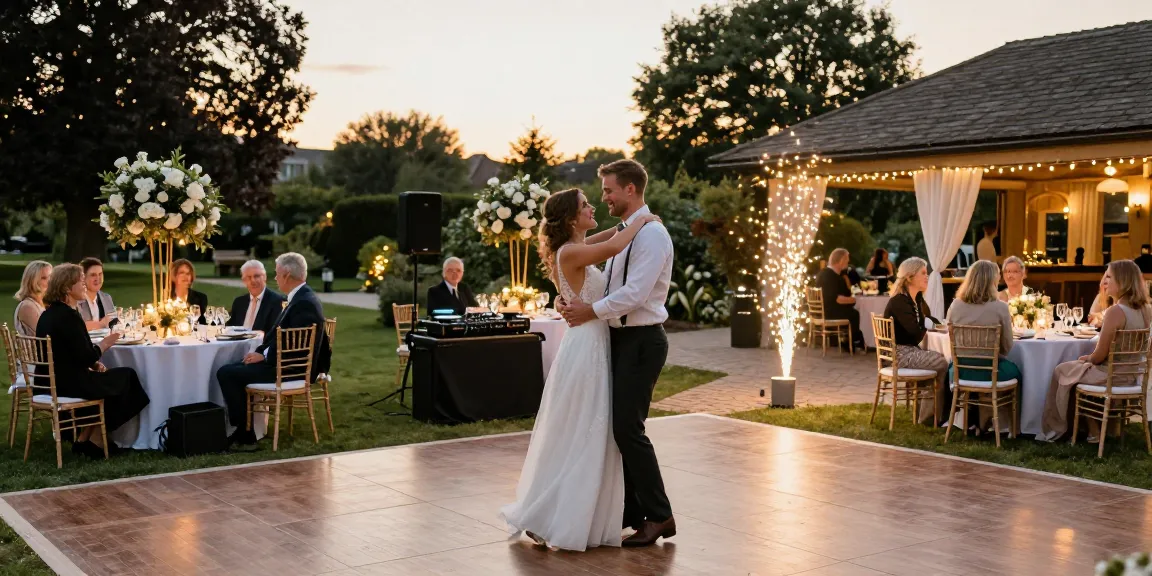
Light & airy photography excels in wedding and special event settings, where capturing the essence of joy and celebration is paramount. Photographers who master this style can encapsulate fleeting moments of love and happiness, rendering them into timeless images. By utilizing natural light, bright backgrounds, and focusing on genuine interactions, photographers can create stunning visual narratives that couples will cherish forever.
Family Portraits with a Light Touch
Family portraits benefit greatly from the light & airy aesthetic, which conveys warmth and connection. To create captivating images, photographers can opt for outdoor settings such as parks or beaches during golden hour. Prompting families to engage in natural activities—such as playing together or sharing laughs—can result in genuine expressions that exemplify the love within the family unit.
Product Photography in Natural Light
Light & airy photography is increasingly popular in product photography, particularly for brands that symbolize sophistication and elegance. Natural light can enhance the visual appeal of products by showcasing textures and colors. Using white or light-colored backdrops in well-lit environments can allow products to stand out while maintaining the desired airy aesthetic.
Common Challenges and Solutions in Light & Airy Photography
Dealing with Harsh Lighting Conditions
Photographers often encounter harsh sunlight, which can lead to unwanted shadows and highlights in light & airy photography. Solutions include finding shaded areas, using diffusers to soften light, and employing reflectors to fill in shadows. Alternatively, shooting during early morning or late afternoon can ensure softer light quality throughout the session.
Avoiding Overexposure in Bright Settings
Finding a balance between brightness and detail is crucial in light & airy photography. Overexposure can wash out colors and details. Adjusting camera settings, particularly decreasing the exposure compensation, and using ND (Neutral Density) filters can help manage light without sacrificing the airy aesthetic.
Maintaining Consistency Across Shoots
Consistency is key to building a recognizable style. Utilizing the same camera settings, editing techniques, and shooting in similar lighting conditions can create a cohesive portfolio. Developing a specific workflow for editing can streamline this process and ensure that the light & airy aesthetic remains consistent across multiple shoots.
FAQs on Light & Airy Photography
What equipment do I need for light & airy photography?
A DSLR or mirrorless camera with a fast lens is ideal. A tripod can also assist with sharp images in soft lighting.
How do I achieve the best lighting for these photos?
Soft early morning or late afternoon light works best. You can use shaded areas to diffuse harsh sunlight for softer shadows.
Can I use an editing program to get a light & airy look?
Yes, programs like Lightroom or Photoshop can help brighten images and adjust tones to achieve a light & airy aesthetic.
What styles of photography suit the light & airy technique?
Portrait, lifestyle, and wedding photography stand out with this style, emphasizing joyful moments and soft backgrounds.
Are there specific props to use in light & airy photography?
Florals, delicate fabrics, and unobtrusive accessories enhance the light and airy feel, making your subject pop.