Understanding the Slatted Wall Concept
What is a Slatted Wall?
A slatted wall is an architectural design feature characterized by vertical or horizontal slats that create a visually appealing pattern. These slats can be made from a variety of materials, such as wood, metal, or composite products, and are spaced to allow light and air to flow through. This design is popular in modern interiors and exteriors, as it can enhance aesthetic appeal while serving functional purposes such as providing privacy or accentuating features of a room.
Benefits of Slatted Wall Designs
Slatted walls offer numerous benefits, including:
- Visual Interest: The unique patterns created by slatted walls add depth and character to spaces.
- Flexibility: They can be customized in various dimensions and materials to fit personal style and functional needs.
- Acoustic Benefits: Slatted walls can reduce noise by absorbing sound waves, making them ideal for living areas and commercial spaces.
- Enhanced Airflow: Their design allows air circulation, reducing humidity and enhancing comfort levels.
- Privacy: Slatted walls can provide an element of seclusion within open spaces without completely blocking visibility.
Popular Materials for Slatted Walls
The choice of material for a slatted wall significantly impacts its aesthetics and durability. Common materials include:
- Wood: Natural wood offers warmth and beauty, with options like cedar, pine, or mahogany being popular for their durability and visual appeal.
- Metal: Metal slats can provide a sleek, modern look and are often used in commercial applications due to their strength and low maintenance.
- Composite: Made from recycled materials, composites are eco-friendly options that mimic the look of wood without the associated upkeep.
Design Inspirations for Slatted Walls
Incorporating Slatted Walls in Living Spaces
Within residential homes, slatted walls can be used creatively to define spaces and create focal points.
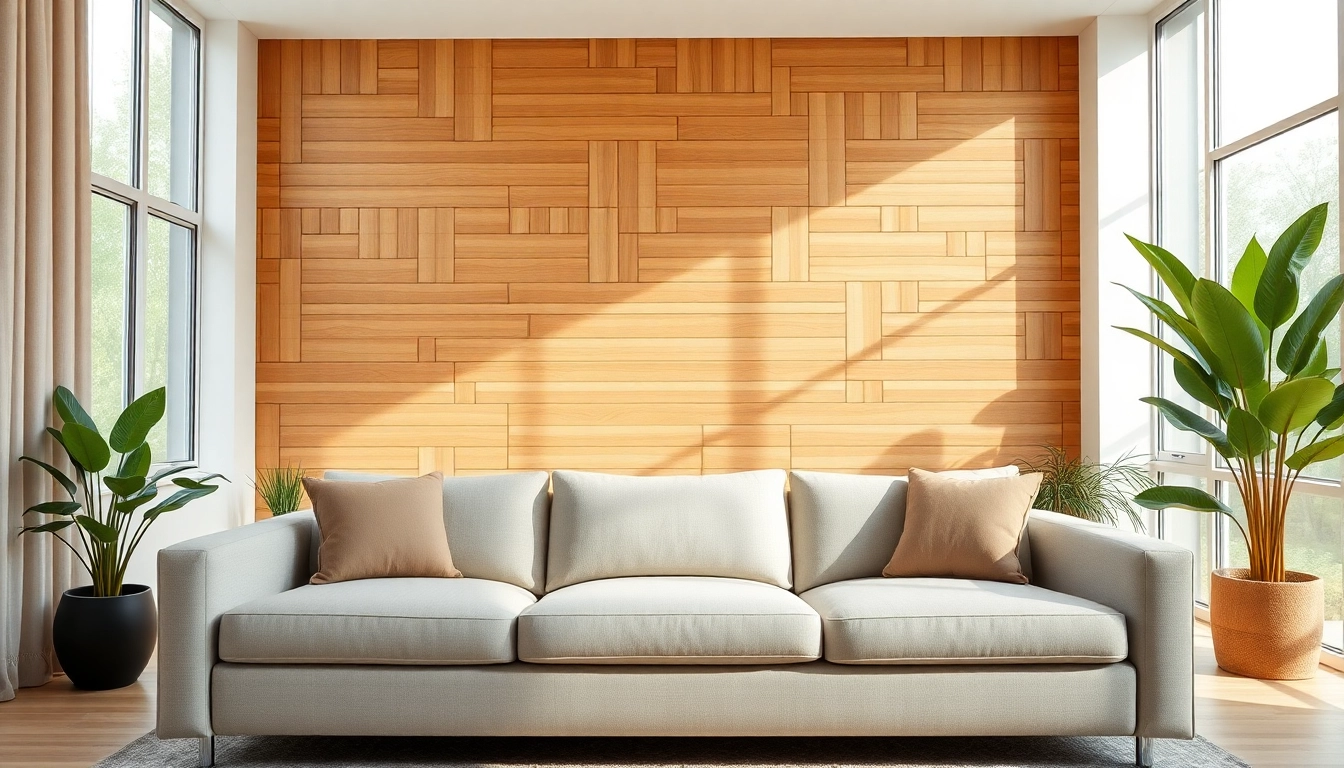
- Accent Walls: A slatted wall can serve as an accent wall behind a sofa or bed, breaking the monotony of flat surfaces.
- Room Dividers: In open floor plans, slatted walls can effectively separate areas while maintaining a sense of openness.
- Backdrops for Wall Art: The texture and pattern of a slatted wall can enhance paintings and photographs, adding visual interest.
Slatted Wall Ideas for Commercial Spaces
In commercial settings, slatted walls are utilized not only for aesthetics but also for branding and practical purposes:
- Reception Areas: Slatted feature walls can create a captivating entryway that sets the tone for your business.
- Retail Displays: Stores often use slatted walls as backdrop displays for products, adding an attractive design element while allowing flexibility for merchandising.
- Office Partitions: Open offices can benefit from slatted walls that reduce noise while still allowing for light penetration.
Color Schemes for Slatted Wall Designs
The color of a slatted wall can drastically change the mood and style of a room. Consider these popular color schemes:
- Natural Wood Tones: Keeping the natural hues of wood can provide warmth and a rustic charm.
- Bold and Bright Colors: Painting slats in vivid hues can create a dramatic focal point that energizes the space.
- Neutral Shades: Utilizing white, grey, or beige lends a contemporary look while allowing other design features to stand out.
Installation Tips for Slatted Walls
Preparing Your Space for a Slatted Wall
Before proceeding with a slatted wall installation, it’s essential to prepare the workspace adequately:
- Select Location: Identify the wall where the slats will be installed, ensuring it's a suitable surface that can support the weight of the slats.
- Clear the Area: Remove any furniture or decorations to provide ample room for work.
- Measure Carefully: Accurately measure the wall space to determine how many slats you'll need and how they will fit together.
Tools and Materials Needed for Installation
Having the right tools and materials will streamline the installation process:
- Tools: You will need a measuring tape, level, saw, drill, hammer, and safety gear.
- Materials: Choose your slats, fasteners, and any additional materials such as adhesive or wall anchors.
Step-by-Step Guide to Installing a Slatted Wall
The installation of a slatted wall can vary based on design preferences and wall conditions, but here’s a generalized step-by-step guide:
- Mark Your Guidelines: Use a level and pencil to outline where the slats will be placed. This helps maintain even spacing.
- Cut Slats to Size: If necessary, cut the slats to your desired lengths.
- Attach the Slats: Starting from one edge, attach slats using screws or adhesive, ensuring even spacing is maintained.
- Finish the Edges: Once all slats are installed, finish the edges with trim or caulk to create a clean look.
- Final Inspection: Check for alignment and spacing, and make any adjustments as needed.
Maintenance of Slatted Walls
Cleaning and Upkeep of Slatted Walls
Maintaining the appearance and longevity of your slatted wall requires regular cleaning:
- Dusting: Regularly wipe down the slats with a microfiber cloth to remove dust and debris.
- Cleaning Solutions: Use a mild soap or wood cleaner for any tough stains, avoiding harsh chemicals that could damage the finish.
- Inspection: Periodically check for loose slats or damage to ensure ongoing safety and aesthetics.
Repairing and Replacing Slats
Over time, some slats may incur damage. Here’s how to manage repairs:
- Identify Damaged Slats: Regularly inspect slats for cracks or breaks.
- Replacement Process: Remove the damaged slat carefully and replace it with a new slat that matches the existing design.
Seasonal Maintenance Tips
Seasonal changes can affect slatted walls, especially outdoor installations:
- Winter Maintenance: Ensure slatted walls are clear of ice and snow to prevent damage.
- Summer Check: Inspect for signs of warping or fading due to sun exposure, performing any necessary touch-ups to the finish.
FAQs about Slatted Walls
How do I choose the right wood for my slatted wall?
Consider durability and finish. Cedar and pine are popular choices for slatted walls due to their aesthetic appeal and resistance to decay.
Can slatted walls be used outdoors?
Yes, but ensure to use weather-resistant materials and treatment to withstand rain and sun exposure, enhancing durability.
How do slatted walls affect room acoustics?
Slatted walls can help absorb sound, making rooms quieter. However, consider additional acoustic panels if noise reduction is essential.
Are slatted walls easy to install for beginners?
While installation is achievable, having basic carpentry skills and the right tools will simplify the process for beginners.
Can I customize the width of the slats?
Absolutely! Slat width customization allows you to create unique design patterns and suit personal style preferences effectively.