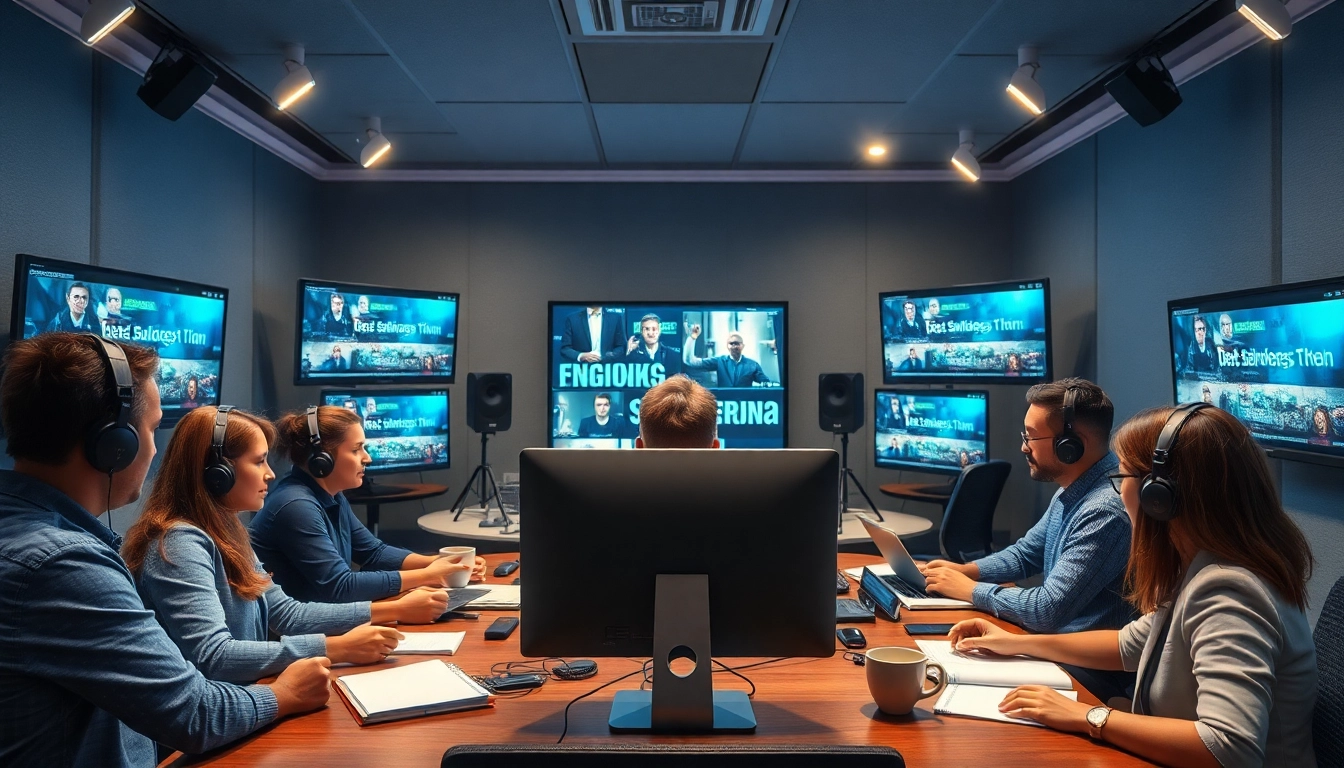
Understanding the Importance of Video Translation
In today’s interconnected world, the demand for effective communication across diverse languages and cultures has never been higher. Video content has emerged as a powerful medium for conveying messages, showcasing products, and engaging audiences worldwide. However, without proper video translation, even the most impactful video can fail to reach its full potential. This section will delve into the significance of video translation for global brands and how it can enhance audience engagement.
Why Video Translation Matters for Global Brands
Video translation is essential for brands looking to expand their global reach. As the internet becomes more accessible around the world, video content is increasingly consumed in various languages. If a brand fails to provide translations for its video content, it risks alienating potential customers. Localization allows brands to penetrate new markets effectively by resonating with local audiences in their native language, ensuring better understanding and connection.
Moreover, video translation can help brands maintain consistency in messaging, which is critical for building trust and brand loyalty. By communicating in the audience's language, companies display cultural sensitivity and commitment toward their consumer base. This not only improves customer experience but also enhances brand perception.
Common Misconceptions about Video Translation
Several misconceptions can hinder brands from pursuing effective video translation strategies. One common misunderstanding is that translation simply involves converting text from one language to another. However, true video translation entails a more nuanced approach, including localization, which adapts the content to fit cultural contexts, idioms, and expressions unique to each audience.
Another misconception is that video translation is only necessary for large, multinational corporations. In fact, any business aiming to connect with a global audience can benefit from it, regardless of its size. Lastly, many assume that subtitling is sufficient for translation. While subtitles are a popular choice, they may not capture the full intent or emotional tone of the original content, which is best conveyed through dubbing in some cases.
How Video Translation Boosts Engagement
Effective video translation can significantly enhance viewer engagement. When audiences can understand content in their native language, they are more likely to connect with it on a personal level. This can lead to increased shares, comments, and overall interaction. Studies show that localized content leads to higher viewer retention rates, as users are more inclined to watch, enjoy, and respond to what they understand.
Moreover, translated videos can improve accessibility, reaching individuals who may have hearing impairments or who prefer visual content. By catering to diverse preferences, brands can ensure that their messages resonate with a broader audience, ultimately driving traffic and conversions.
Key Components of Successful Video Translation
Localization vs. Translation: What You Need to Know
Understanding the distinction between translation and localization is crucial for successful video projects. Translation focuses on the conversion of text, often neglecting cultural nuances and local dialects. Localization, on the other hand, involves tailoring the content to fit the cultural context of the target audience. This can include adapting idioms, examples, and even visual elements to align with local norms and expectations.
For example, a video promoting a product in the United States might use humorous references that resonate with American viewers but fall flat in a different culture. Localization avoids such pitfalls, ensuring that all aspects of the video—language, tone, and context—speak directly to that audience.
Choosing the Right Translation Services
Selecting the right translation service is crucial for achieving your video translation goals. Businesses should consider several factors when choosing a service provider. First, look for services with a track record in video translation and localization. They should have experience in your specific industry and understand the nuances of your messages.
Additionally, assess the qualifications of their translators. Skilled translators should not only be fluent in both the source and target languages but also have an understanding of cultural sensitivities. A good provider should also offer a range of services, including subtitling, voice-over, and adaptation services, to cater to diverse needs.
Essential Tools for Effective Video Translation
Utilizing the right tools can enhance the efficiency and quality of video translation projects. Translation Management Systems (TMS) streamline workflows by allowing teams to collaborate effectively, managing assets and version control seamlessly.
Moreover, subtitle creation tools can also facilitate the production of accurate and time-synchronized subtitles. Tools like machine translation are useful for initial drafts but should always be followed by human verification to ensure quality and accuracy.
Lastly, incorporating analytics tools can help monitor viewer engagement with the translated content, allowing brands to measure success and refine strategies over time.
Best Practices for Video Translation Projects
Steps to Plan an Effective Video Translation
Planning a video translation project requires a clear strategy. Start by defining the goals of the translation—whether it's to increase brand awareness in a new market or improve customer engagement. Next, identify your target audience and determine which languages are most relevant for them.
Then, select the right translation service that aligns with your goals, industry, and needs. It’s also critical to create a timeline that considers both translation and localization processes. Ensuring ample time for revisions and quality checks can help prevent last-minute hurdles.
Maintaining Brand Voice in Translations
Preserving your brand voice during translation is vital for maintaining a consistent identity across markets. To do this, consider creating a brand voice guide that outlines tone, style, and key messaging elements. This guide should be shared with translators to ensure they fully understand how to convey your brand’s personality in the target language.
Also, engaging the same translators for multiple projects can help maintain continuity in voice and style, fostering a deeper understanding of the brand’s nuances.
Quality Assurance Tips for Video Translations
Quality assurance (QA) is a crucial step in the video translation process. After the initial translation is completed, it should undergo a thorough review involving multiple reviewers—preferably those fluent in both languages and knowledgeable about the subject matter.
Additional QA elements include checking for synchronization between audio and subtitles, confirming cultural accuracy, and testing viewer engagement metrics. Using feedback from focus groups can provide invaluable insights into how well the translated video resonates with the target audience.
Challenges in Video Translation and How to Overcome Them
Navigating Cultural Differences
Cultural differences can pose significant challenges in video translation. Misunderstandings or cultural faux pas can alienate audiences and damage brand reputation. To mitigate these risks, thorough research on cultural norms and preferences in the target audience’s region is essential.
Additionally, working with local translators familiar with cultural nuances can help avoid unintentional blunders and ensure messages resonate positively.
Addressing Technical Issues in Video Translation
Technical issues can arise during the video translation process, such as compatibility problems with subtitling formats or audio quality in voice-overs. To address these, collaborating with technical experts who understand the editing software and requirements can streamline the process.
Moreover, investing in proper encoding and formatting at the start of the project can prevent many issues down the line, ensuring that the final product is polished and professional.
Managing Deadlines and Project Scope
Deadlines can be a significant hurdle in video translation, especially when dealing with complex projects or multiple languages. Clearly communicating project scope and expected timelines with translation services can help manage expectations and avoid unnecessary pressure.
Utilizing project management tools can also help track progress, ensuring that all parties are aligned on deadlines and project requirements. Setting up regular check-ins throughout the process can facilitate adjustments as needed and keeps the workflow on track.
Measuring the Success of Video Translation Efforts
Defining Metrics for Video Translation Effectiveness
To evaluate the success of video translation efforts, defining clear metrics is imperative. Engagement metrics, such as view counts, watch time, and shares, can provide insight into audience reactions. Conversion rates following the release of translated content can also offer direct indicators of success, showing whether the translations led to measurable actions.
Conducting surveys or using feedback forms can enhance understanding of how audiences perceive the translated content, allowing brands to refine future translations based on this data.
Gathering Feedback and Analyzing Results
Gathering feedback from viewers post-translation is essential for understanding their experience and satisfaction levels. Interaction rates, comments, and direct viewer feedback through surveys can all provide valuable insights. Analyzing this information thoroughly will highlight what worked well and what needs improvement, creating a feedback loop for future projects.
Furthermore, examining quantitative data from video hosting platforms can illuminate viewer behaviors, helping to fine-tune video strategies moving forward.
Adapting Strategies Based on Performance Insights
Once the video translation efforts have been measured and feedback collected, brands must adapt their strategies accordingly. Continuous improvement should be a focal point—whether that involves refining future translations based on viewer preferences or adjusting video content strategy to better align with target demographics.
By maintaining a flexible approach and being open to changes, brands can keep their video content relevant and engaging across different markets.
Frequently Asked Questions about Video Translation
1. What is video translation?
Video translation is the process of converting spoken or written content in a video from one language to another, ensuring the message resonates culturally and linguistically with the target audience.
2. How does localization differ from translation?
Localization adapts content to fit cultural contexts, including idioms and references, whereas translation focuses solely on converting text between languages without cultural adjustments.
3. Why is quality assurance important in video translation?
Quality assurance is crucial as it ensures that the translated content maintains accuracy, cultural relevance, and synchronization, leading to a positive audience experience.
4. What metrics should I use to measure video translation success?
Key metrics include engagement rates (views, likes, shares), conversion rates, feedback from audience surveys, and viewer retention times to gauge effectiveness.
5. Can small businesses benefit from video translation?
Absolutely! Small businesses can expand their reach, engage diverse audiences, and enhance communication with localized video content, improving customer connections.