Understanding Slatted Wall Concepts
What is a Slatted Wall?
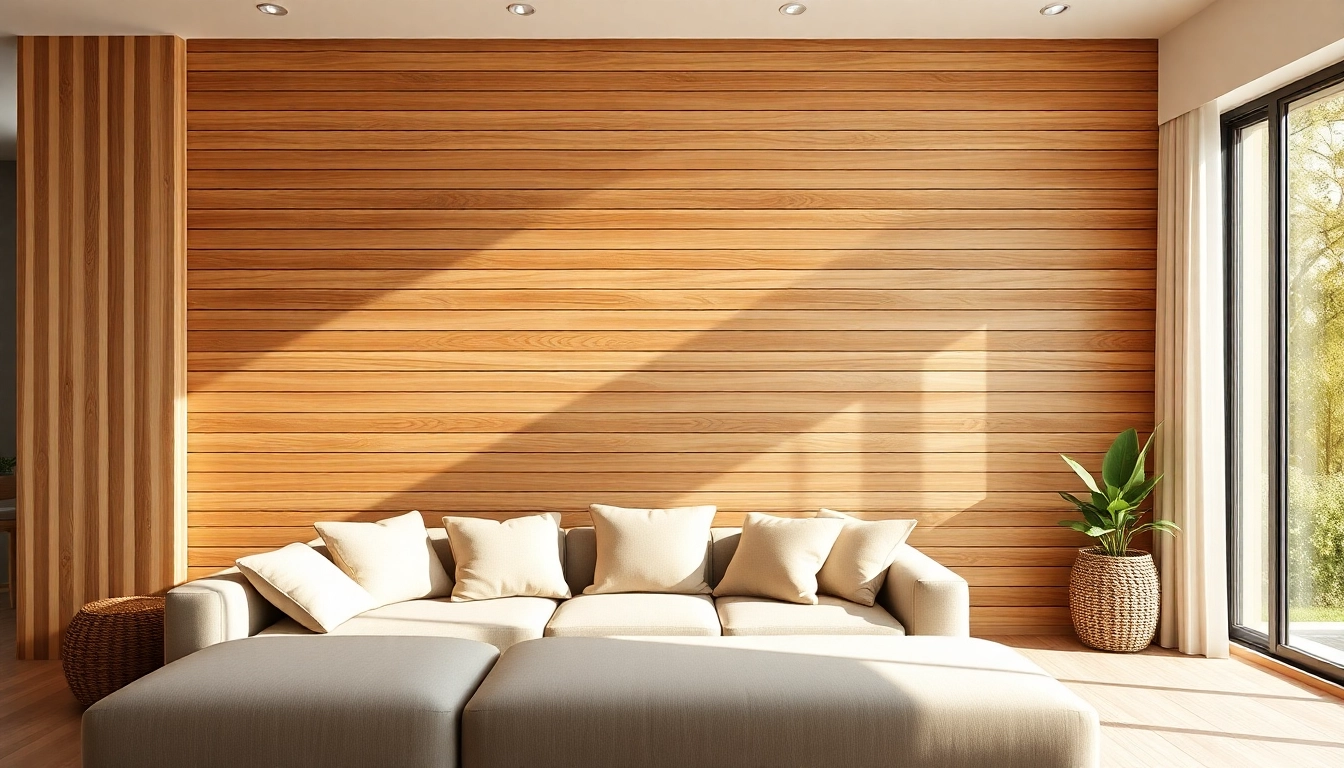
A slatted wall refers to a modern architectural feature characterized by horizontal or vertical slats that create a visually appealing surface. These elegant structures are crafted from various materials and are often used in both interior and exterior designs. The slats can range in width and spacing, providing flexibility in design while helping to define the overall aesthetic of a space. Additionally, slatted walls can serve functional purposes such as creating privacy, enhancing acoustics, and allowing for airflow in specific setups. An important element to consider when planning your space is how a slatted wall can bring both form and function together, offering a versatile solution to modern design challenges.
Benefits of Using Slatted Walls
Slatted walls offer numerous advantages that make them a favored choice in contemporary architecture and design. Here are some key benefits:
- Aesthetic Appeal: Slatted walls provide a visually dynamic structure that adds texture and depth to any environment.
- Acoustic Improvement: The slats can absorb sound, making slatted walls effective in homes and offices for reducing noise levels.
- Privacy and Separation: These walls can function as room dividers or barriers, offering privacy while maintaining an open feel.
- Versatile Design Options: Available in various materials and finishes, slatted walls can complement any design style from rustic to modern.
- Sustainability: Many natural materials used for slatted walls are eco-friendly options, aligning with green design practices.
Common Materials for Slatted Walls
When selecting materials for slatted walls, several options are available, each offering distinct characteristics:
- Wood: Popular choices include cedar, pine, and bamboo, known for their durability and natural beauty.
- Metal: Aluminum and steel slats provide a sleek, modern appearance and exceptional durability.
- Composite Materials: Engineered options such as MDF (medium-density fiberboard) offer a consistent finish and flexibility in design.
- Plastic: These are lightweight and often used in outdoor settings for their resistance to moisture and decay.
Designing with Slatted Walls
Types of Slatted Wall Styles
The style of a slatted wall can significantly influence the overall ambiance of a space. Here are a few popular styles:
- Horizontal Slats: This classic design creates a sense of spaciousness and can work well in both vertical and horizontal orientations.
- Vertical Slats: Ideal for adding height to a room, vertical slats can create a more formal look.
- Asymmetrical Designs: Mixing different slat widths and spacing can create unique patterns, adding interest to the wall.
- Integrated Lighting: Incorporating LED lights within or behind the slats can create dramatic effects, enhancing the visual appeal.
Color Choices for Slatted Walls
The color of a slatted wall can dramatically change its perception and integration into a space. Here are some considerations:
- Natural Finishes: Keeping wood in its natural state showcases its grains and textures, enhancing organic aesthetics.
- Painted Options: Painting slats in muted tones can create calm environments, while vibrant colors can serve as focal points.
- Stained Finishes: Stains can offer visual depth while allowing the natural wood characteristics to shine through.
Incorporating Accessories and Décor
Slatted walls can be enhanced further with the right accessories and decor, such as:
- Wall Art: Art or photography can be hung on the wall to personalize the space.
- Shelves: Floating or integrated shelves can provide functional space for displaying plants, books, or decorative items.
- Plants: Greenery can be added for a touch of nature and freshness, creating a biophilic design.
Practical Applications of Slatted Walls
Residential Uses of Slatted Walls
In residential settings, slatted walls can serve multiple functional and aesthetic purposes:
- Living Areas: Create striking focal points that enhance the design of family rooms or lounges.
- Bedrooms: Use slatted walls as headboards or screens for added privacy and style.
- Outdoor Spaces: Slatted screens can define patios and balconies, adding character and shade.
Commercial Applications of Slatted Walls
In commercial design, slatted walls offer both functional and branding opportunities:
- Office Spaces: Use slatted walls as dividers to maintain an open concept while offering privacy.
- Retail Environments: Enhances visual merchandising by creating dynamic backdrops for products.
- Hospitality: Restaurants and hotels can utilize slatted walls to create intimate dining experiences.
Innovative Slatted Wall Ideas
Innovative designs utilizing slatted walls can include:
- Sound Barriers: For busy urban settings, slatted walls can also double as sound barriers in your backyard.
- Foldable Systems: Explore foldable slatted walls that can adaptatively change room sizes.
- Multi-Functional Walls: Designs that incorporate storage or seating within the slatted wall structure.
Installation Tips for Slatted Walls
Preparation Before Installation
Prior to installation, it’s essential to plan and prepare your workspace:
- Measure the Area: Accurately measure the wall surface to determine the number of slats needed.
- Choose Your Material: Select a material that fits both your design vision and functional needs.
- Gather Tools: Commonly required tools include a saw, drill, level, and measuring tape.
Installation Steps for Slatted Walls
Follow these general steps for a successful installation:
- Begin by marking the layout on the wall where the slats will be placed.
- Cut your slats to the desired lengths if using wood or composite materials.
- Secure the slats to the wall using appropriate fasteners, ensuring they are evenly spaced.
- Install any backing materials, if necessary, to enhance the wall’s stability and performance.
Common Mistakes to Avoid
To ensure a successful installation, be mindful of these common pitfalls:
- Incorrect Measurements: Double-check measurements to avoid cutting mistakes that could compromise design.
- Inconsistent Spacing: Ensure that the spacing between slats is uniform for a professional finish.
- Neglecting Material Preparation: Properly treat and finish materials prior to installation to improve durability.
Maintaining and Caring for Slatted Walls
Cleaning Tips for Slatted Walls
Keeping slatted walls clean enhances their longevity and appearance:
- Regular Dusting: Regular dusting with a microfiber cloth can prevent dirt buildup.
- Use Gentle Cleaners: For wooden slats, use wood-safe cleaners to avoid damage to finishes.
Repairing Damaged Slatted Walls
If slats become damaged, addressing repairs promptly is key:
- Filling Scratches: Use wood filler for minor scratches on wooden slats and sand down after it dries.
- Replacing Slats: For more extensive damage, listen to the wall's design and replace slats as needed.
Long-term Maintenance Strategies
Long-term care will keep your slatted wall looking great:
- Regular Inspections: Check for signs of wear or damage periodically and address any issues promptly.
- Weather Protection: For outdoor slatted walls, consider treatments that protect against the elements.
Frequently Asked Questions
What materials are best for a slatted wall?
Natural woods like cedar and pine, as well as engineered materials like MDF, are popular for slatted walls due to their durability and aesthetic appeal.
How do slatted walls improve acoustics?
Slatted walls can absorb sound and reduce noise levels, making spaces quieter and more comfortable by interrupting sound waves.
Can slatted walls be painted?
Yes, slatted walls can be painted. Choosing matte finishes can emphasize the textures, while glossy options can create a modern look.
What are the best locations for installing a slatted wall?
Slatted walls work well in living rooms, offices, and entryways, serving both functional and decorative purposes effectively.
How can I personalize my slatted wall?
Adding artwork, functional shelves, or unique lighting can personalize a slatted wall, enhancing its visual appeal and functionality.