Understanding Crawl Space Restoration
Crawl space restoration is a vital aspect of maintaining the structural integrity and health of a home. Often overlooked, the crawl space can be a breeding ground for moisture, pests, and even mold, which can lead to significant problems over time. Understanding the importance of crawl space restoration is essential for any homeowner looking to ensure a safe living environment. With proper techniques, this space can be transformed into a functional part of the home. Crawl Space Restoration not only improves home safety but also can enhance energy efficiency and overall home value.
What is Crawl Space Restoration?
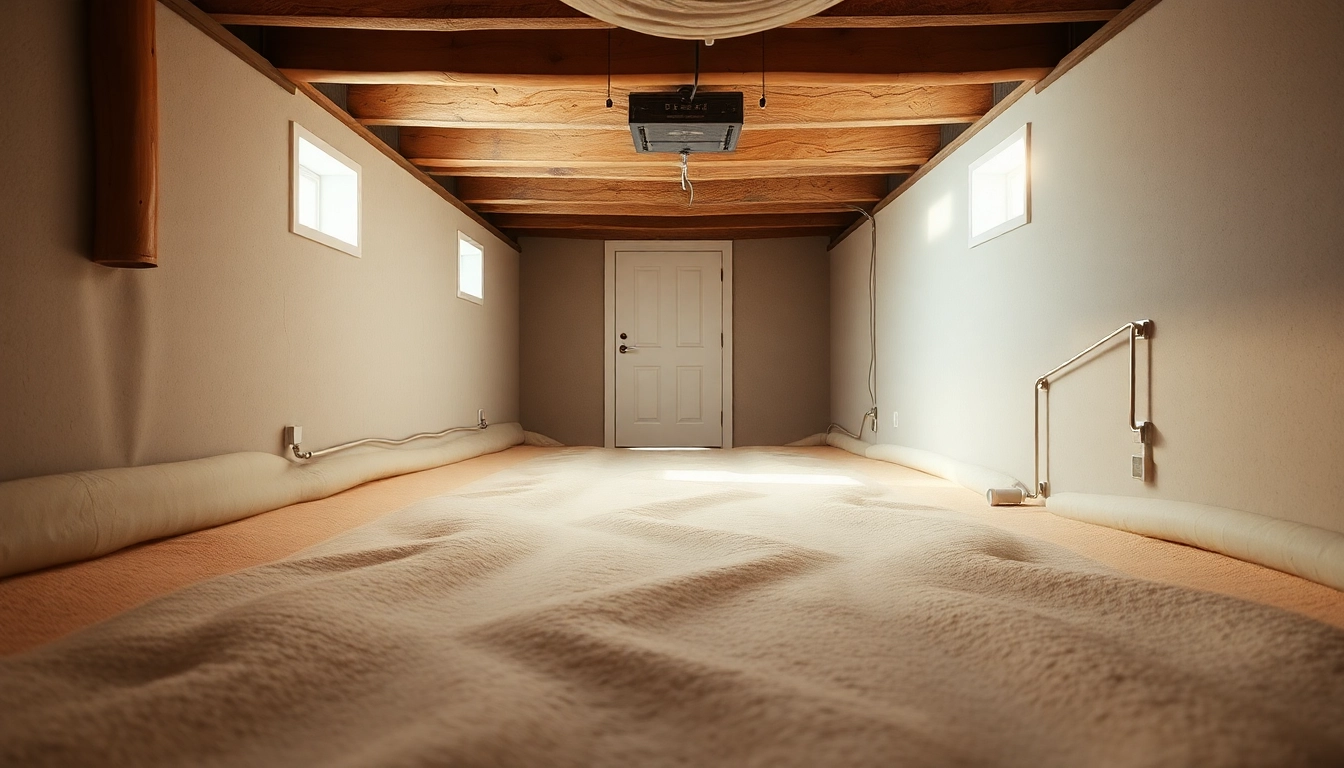
Crawl space restoration refers to the process of repairing and revitalizing the crawl space area beneath a building. This often includes cleaning, sealing, and insulating the space to prevent moisture intrusion and pest infestations. The restoration process may involve several steps, from initial inspection and damage assessment to the installation of vapor barriers and insulation. The goal is to create a dry, ventilated, and usable space that supports the home’s foundation and improves indoor air quality.
Why is Crawl Space Restoration Necessary?
The necessity of crawl space restoration stems from the myriad of issues that can arise from a neglected crawl space. Moisture can lead to wood rot, resulting in structural damage, while mold growth can contribute to respiratory issues for the inhabitants. Furthermore, pests such as rodents and insects often find comfort in damp, dark environments. By restoring the crawl space, homeowners can mitigate these risks, enhance the overall durability of their homes, and even improve energy efficiency by maintaining proper insulation.
Common Problems in Crawl Spaces
Crawl spaces are often susceptible to various problems, including:
- Moisture Problems: High humidity levels can lead to water accumulation, fostering mold growth.
- Inadequate Insulation: Poor insulation can cause energy losses and temperature imbalances in the home.
- Pest Infestations: The secluded nature of crawl spaces makes them attractive to pests seeking shelter.
- Structural Issues: Rotting wood or foundation damage can occur without proper maintenance.
Steps Involved in Crawl Space Restoration
Initial Inspection and Assessment
The first step in any crawl space restoration project is a thorough inspection and assessment by a qualified professional. This process includes identifying signs of moisture damage, mold growth, pest activity, and structural integrity. By using specialized tools, inspectors can measure humidity levels and detect hidden issues, creating a comprehensive plan for restoration. This initial evaluation is critical for determining the specific repairs needed and ensuring an effective restoration process.
Water Damage Mitigation Strategies
Once the assessment is complete, the next step is implementing water damage mitigation strategies. This might include fixing leaks in pipes or walls, improving drainage around the home's foundation, and installing sump pumps to handle any groundwater intrusion. Additionally, utilizing dehumidifiers can help reduce moisture levels effectively. These strategies are essential to prevent future damage and to ensure that the crawl space remains dry and usable.
Installation of Insulation and Vapor Barriers
After addressing water damage, the installation of insulation and vapor barriers becomes crucial. Quality insulation helps regulate temperature and energy efficiency, while vapor barriers prevent moisture from permeating the space. The application of a thick polyethylene sheet as a vapor barrier on the ground and walls can significantly reduce humidity. Properly installed insulation, particularly in colder climates, will also keep heat inside and maintain comfortable temperatures throughout the home.
Materials and Techniques for Effective Restoration
Choosing Quality Materials
Selecting high-quality materials is essential to the long-term success of crawl space restoration. For insulation, materials like fiberglass or foam boards can provide excellent thermal performance. Vapor barriers should be durable and puncture-resistant, ensuring effective moisture control. Additionally, sealing products and fasteners should be rust-proof to withstand the damp environment over time. Investing in superior materials pays off in durability and performance, prolonging the lifespan of restoration efforts.
Effective Repair Techniques
Using effective repair techniques is critical to successful restoration. For mold removal, using HEPA filters during cleanup helps prevent spores from spreading. Techniques like encapsulation can be beneficial for advanced moisture control, involving sealing off the crawl space completely to keep unwanted air and moisture out. Proper ventilation strategies, such as installing vents or fans, can also enhance air flow and prevent future issues.
Understanding Environmental Controls
Environmental controls in a crawl space include managing the humidity, temperature, and air quality. By utilizing dehumidifiers and air purifiers, homeowners can maintain a healthy environment, which is paramount in preventing mold and pests. Regular monitoring of humidity levels and maintaining proper insulation are also essential steps in ensuring that the crawl space remains an asset rather than a liability.
Maintaining Your Restored Crawl Space
Regular Inspection Protocols
Once restoration is complete, establishing regular inspection protocols is vital for ongoing maintenance. Homeowners should check their crawl spaces at least twice a year, looking for signs of moisture, pest activity, or structural issues. Implementing a checklist can streamline the inspection process, making it easier to identify potential problems before they escalate into costly repairs.
Seasonal Maintenance Tips
Seasonal maintenance plays a crucial role in preserving a restored crawl space. During winter, it's important to ensure the space remains insulated to prevent freezing pipes. In spring, checking for water drainage issues and mold is essential, especially after heavy rains. Additionally, in the fall, clearing debris from around the exterior vents and ensuring drainage systems are functional can prevent moisture accumulation during wet seasons.
Sustaining Optimal Air Quality
To keep air quality high in your home, ensure that the crawl space remains well-ventilated and low in humidity. Installing air exchange systems, using odor absorbers, and routinely checking for leaks can significantly improve air quality. Maintaining clean filters and ensuring that any water intrusion is addressed immediately will also contribute to a healthier living environment.
Consulting Professionals for Crawl Space Restoration
Identifying Reliable Contractors
When it comes to crawl space restoration, finding a reliable contractor is crucial. Homeowners should conduct thorough research, looking for licensed professionals with experience in crawl space work. Reading customer reviews and checking certifications can provide insights into past performance. Licensing and insurance are also non-negotiable attributes of trustworthy contractors, safeguarding the quality of the work performed.
Cost Factors and Budgeting
Budgeting for crawl space restoration involves understanding cost factors like materials, labor, and the extent of work needed. Average costs can vary depending on the region and severity of issues, so acquiring multiple estimates can help homeowners make informed decisions. It's beneficial to set aside a contingency fund for unexpected repairs that may arise during the restoration process.
When to Seek Professional Help
Homeowners should consider seeking professional help when experiencing significant moisture problems, extensive mold growth, or structural issues like sagging floors. If damage is extensive or if the homeowner feels uncertain about undertaking the work themselves, consulting a professional ensures that repairs are conducted correctly and safely.
Frequently Asked Questions
What is the main purpose of crawl space restoration?
The primary purpose of crawl space restoration is to repair damage, prevent moisture intrusion, and improve air quality, all contributing to a safer and more energy-efficient home.
How often should I check my crawl space?
It is recommended to inspect your crawl space at least twice a year and after heavy rains to catch potential issues early.
Can I restore my crawl space myself?
While some basic maintenance can be DIY, complex issues like mold removal and structural repairs often require professional expertise for safety and effectiveness.
What materials are best for vapor barriers?
High-quality polyethylene or reinforced vapor barriers are best, as they are durable, puncture-resistant, and effective in moisture control.
How does crawl space restoration impact home value?
A properly restored crawl space can enhance home value by improving structural integrity, energy efficiency, and reducing health risks associated with mold and pests.