

Ensuring the safety of your home and family is a priority for everyone, regardless of the size of your budget or the type of property you own. Home Security solutions have evolved dramatically, offering options that range from simple, cost-effective upgrades to comprehensive, technology-driven systems. These solutions are designed to address various security needs, from deterring intruders to monitoring environmental hazards and maintaining peace of mind. Whether you are a homeowner, renter, or live in a high-rise apartment, selecting the right mix of security tools and strategies can provide effective protection without breaking the bank.
Understanding the Range of Home Security Needs
The first step in finding the right home security solutions is understanding what your household requires. Security needs vary depending on property type, neighborhood, household composition, and lifestyle.
Assessing Threats and Vulnerabilities
Every property has unique vulnerabilities. Doors, windows, garages, basements, and even hidden access points can be exploited by intruders. Identifying high-risk areas allows you to prioritize solutions that provide the greatest protection impact.
Tailoring Solutions to Household Lifestyle
Families with children, pets, or frequent visitors may require different security approaches than single occupants. Security planning should reflect daily routines, travel frequency, and the value of possessions to ensure effective protection.
Layered Security Approach
The most effective home security systems incorporate multiple layers of protection, including physical barriers, surveillance, alarms, environmental monitoring, and behavioral strategies. Layering ensures that if one measure fails, others continue to protect the household.
Budget-Friendly Home Security Options
You don’t need to spend thousands to secure your home. Many effective options are affordable, simple to implement, and deliver significant results.
Basic Door and Window Security
High-Quality Deadbolts
Even inexpensive deadbolts and lock upgrades provide a strong deterrent to forced entry. Installing reinforced locks on doors is a cost-effective way to increase safety.
Window Locks and Security Bars
Adding window locks, stick-on alarms, or decorative security bars can prevent break-ins and protect vulnerable entry points. These options are especially effective for ground-floor windows.
Door Reinforcement Kits
Door reinforcement kits, which include strike plates and longer screws, enhance existing doors’ resistance to forced entry. These kits are affordable and easy to install without professional help.
Low-Cost Surveillance
Indoor and Outdoor Cameras
Budget-friendly cameras provide visibility and recording capabilities, allowing homeowners to monitor their property. Battery-operated or plug-in cameras can cover key areas without extensive wiring.
Motion Detection and Alerts
Even low-cost cameras often include motion detection and smartphone notifications. This feature allows immediate response to unusual activity and reduces false alerts.
Visible Deterrence
Positioning cameras in visible areas acts as a psychological deterrent, discouraging intruders from attempting entry.
Alarm Systems and Sensors
Basic Alarm Kits
Affordable alarm kits can include door and window sensors, motion detectors, and sirens. These systems provide immediate notification of intrusions without requiring professional installation.
Self-Monitoring Options
Many budget-friendly alarm systems offer app-based monitoring. Homeowners receive alerts in real-time, allowing them to respond promptly even without professional services.
Temporary or Portable Solutions
For renters or temporary residences, portable alarms and sensors offer protection without permanent installation. Stick-on sensors and battery-operated devices provide flexibility while maintaining safety.
Mid-Range Home Security Solutions
For households with moderate budgets, mid-range solutions provide enhanced capabilities and integration.
Smart Locks and Access Control
Smart locks allow keyless entry, temporary codes, and remote locking/unlocking. These devices improve access control, reduce the risk of lost keys, and integrate with other smart home devices for coordinated security.
Advanced Cameras and Video Analytics
Mid-range cameras often offer high-definition footage, wide-angle lenses, night vision, and AI-driven motion analytics. These features reduce false alerts and provide better coverage of indoor and outdoor areas.
Home Automation Integration
Integrating cameras, locks, alarms, and lighting through a central hub enhances efficiency and response capabilities. Automation allows devices to respond proactively to detected threats, improving overall security.
Environmental Sensors
Mid-range systems often include smart smoke, carbon monoxide, gas, and water sensors. Alerts for environmental hazards provide additional protection and help prevent costly property damage.
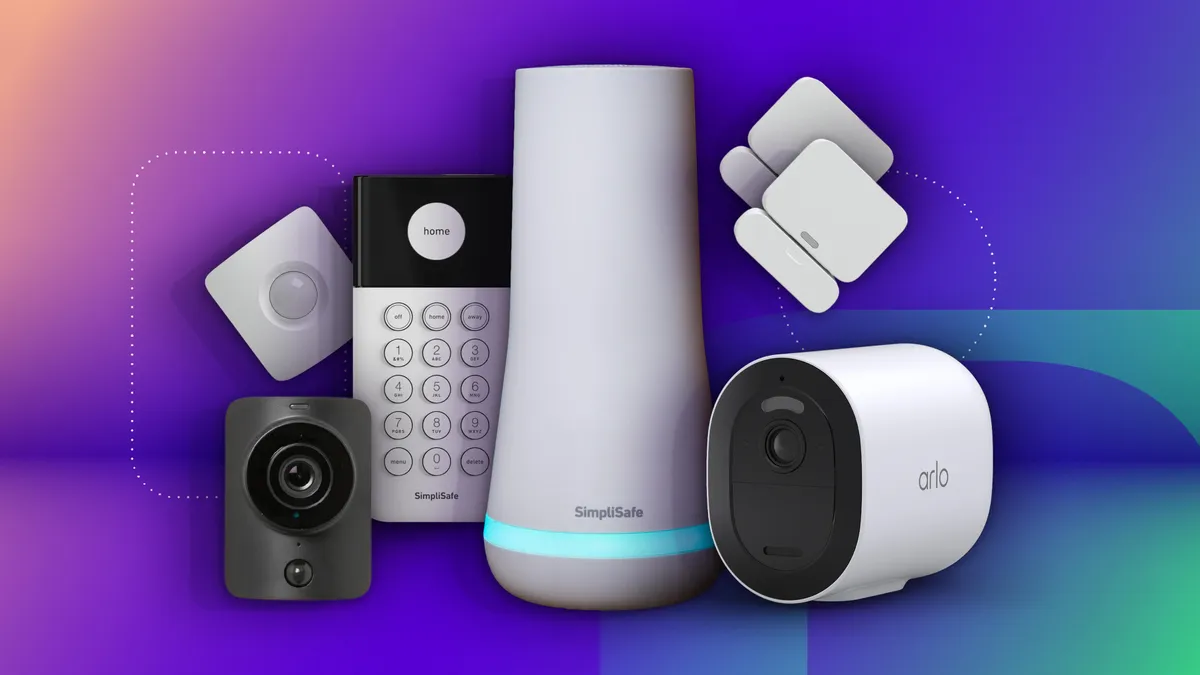
High-End Home Security Solutions
High-end solutions are designed for maximum protection, convenience, and integration, often incorporating professional monitoring and advanced technology.
Comprehensive Security Systems
High-end systems include a combination of cameras, alarms, motion detectors, smart locks, environmental sensors, and remote monitoring platforms. These systems cover every potential vulnerability in the home.
Professional Monitoring
Professional monitoring ensures immediate response to alarms. Security companies can contact emergency services, reducing response times and enhancing safety during incidents.
AI and Predictive Security
Advanced systems use artificial intelligence to analyze behavior patterns, identify unusual activity, and provide predictive alerts. AI-driven systems offer proactive security rather than reactive measures.
Biometric Access Control
High-end systems may include facial recognition, fingerprint scanning, or voice authentication for secure, convenient access. Biometric solutions add an additional layer of protection that is difficult to bypass.
Environmental and Safety Security
Protection extends beyond intrusions to include hazards such as fire, gas leaks, water damage, and carbon monoxide exposure.
Smoke and Fire Detectors
Smart smoke detectors send notifications to your smartphone and can automatically trigger alarms. Early alerts save lives and minimize property damage.
Carbon Monoxide and Gas Leak Detection
Smart CO and gas sensors detect hazardous conditions early, allowing immediate action. These devices are critical for households with fuel-burning appliances or poorly ventilated spaces.
Water Leak Sensors
Sensors placed in kitchens, bathrooms, basements, and near appliances can detect leaks before they cause significant damage. Many models integrate with smart hubs for real-time alerts.
Behavioral and Lifestyle Security Strategies
Technology alone cannot provide complete security. Behavioral strategies complement devices and enhance protection.
Consistent Security Habits
Locking doors and windows, setting alarms, and monitoring cameras daily should become routine. Simple habits reinforce overall security.
Varying Routines
Avoid predictable patterns, such as leaving lights off while away for long periods. Automated or scheduled lighting can simulate occupancy and deter intruders.
Community and Neighborhood Awareness
Building relationships with neighbors, participating in watch programs, and sharing alerts can enhance collective safety. A vigilant community acts as an additional security layer.
Maintenance and Continuous Evaluation
Security systems are only effective if maintained and regularly assessed.
Routine Device Testing
Alarms, cameras, locks, and sensors should be tested to ensure proper function. Identifying problems early prevents vulnerabilities.
Software and Firmware Updates
Connected devices require updates to address vulnerabilities and improve performance. Regular updates maintain system reliability.
Periodic Security Reviews
Re-evaluating threats, device placement, and routines ensures ongoing protection. Upgrades can be implemented based on emerging risks or lifestyle changes.
Psychological Benefits of Tailored Security Solutions
Beyond physical protection, security solutions provide emotional and mental benefits.
Peace of Mind
Knowing that your home is monitored and protected reduces anxiety and allows families to focus on daily life.
Deterrence and Confidence
Visible cameras, alarms, and environmental sensors discourage intruders, making the home less appealing as a target.
Empowerment Through Choice
Choosing the right combination of budget-friendly, mid-range, or high-end solutions empowers homeowners to take control of their security. Customizing systems to meet needs and budgets enhances satisfaction and confidence.
Planning for Future Security Needs
Security needs evolve with technology, lifestyle changes, and neighborhood dynamics.
Integrating Emerging Technologies
AI, predictive analytics, and biometric access will increasingly enhance home security. Planning for future upgrades ensures continued effectiveness.
Scalability and Expansion
Systems should allow for expansion, such as adding cameras, sensors, or smart devices, as needs change. Scalable solutions provide long-term flexibility.
Collaborative and Community Security
Integration with neighborhood networks, local authorities, and smart city initiatives enhances collective protection and improves response times.
Conclusion
Home security solutions are no longer one-size-fits-all. Options exist to fit any budget or household need, ranging from simple door and window upgrades to fully integrated smart systems with professional monitoring. Effective home security combines physical protections, technology, environmental monitoring, behavioral strategies, and ongoing maintenance. Whether you are a homeowner seeking comprehensive solutions or a renter looking for affordable protection, a tailored approach ensures that your property and loved ones remain safe. Strategic planning, thoughtful implementation, and regular evaluation create a resilient security framework that provides both safety and peace of mind. We’ve designed our homepage to help you find what you need faster.
FAQs
Can effective home security be achieved on a limited budget?
Yes. Affordable options such as reinforced locks, window sensors, basic cameras, motion-activated lights, and portable alarms can provide strong protection without expensive installations. Strategic placement and consistent use maximize impact.
What is the difference between mid-range and high-end home security solutions?
Mid-range solutions often include smart locks, higher-quality cameras, and automation, suitable for most households. High-end solutions add professional monitoring, AI-driven analytics, biometric access, and full integration for maximum protection and convenience.
How often should home security systems be updated or evaluated?
Security systems should be reviewed at least annually or whenever there are changes in occupancy, property layout, or emerging threats. Regular evaluation ensures devices remain functional, effective, and aligned with current security needs.