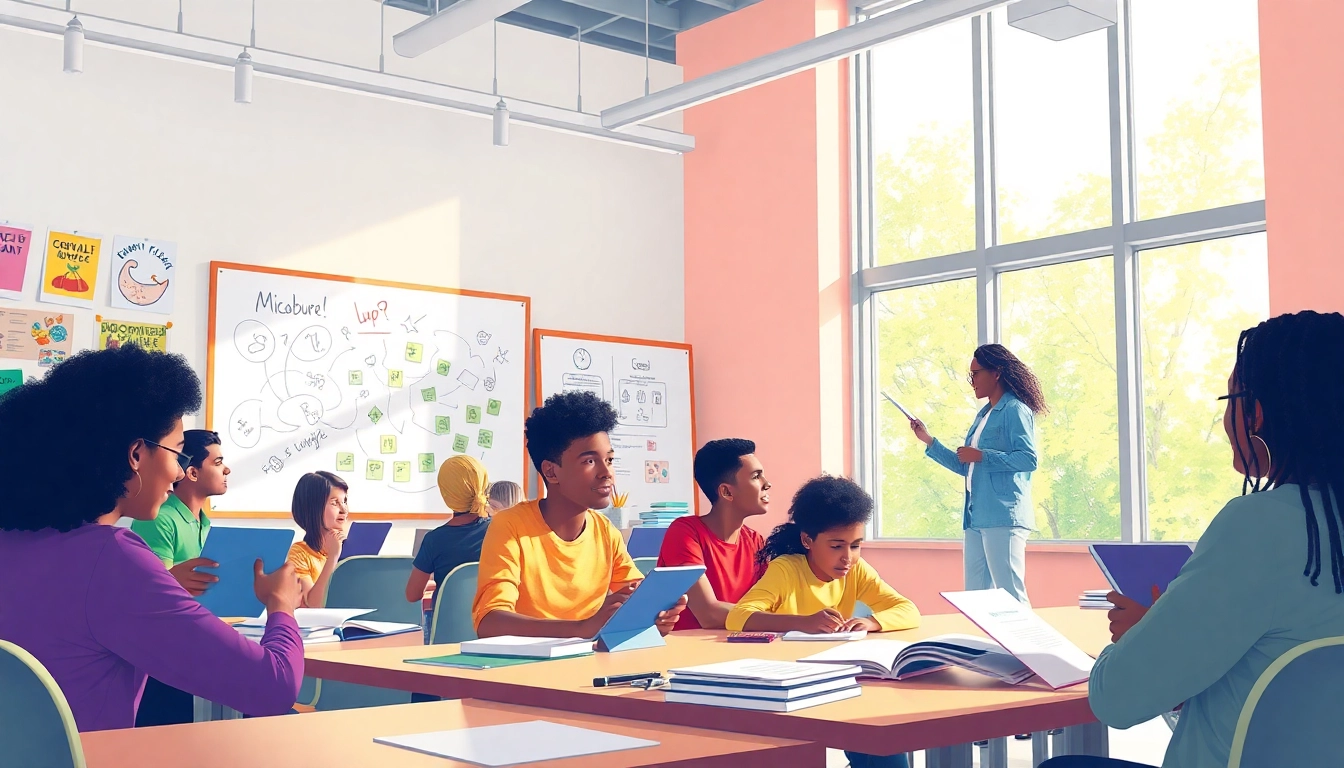
Understanding Education Equity in 2026
As we move into 2026, the conversation surrounding education equity continues to evolve, gaining increased urgency and visibility. Education, a fundamental human right, stands as a gateway to fostering equality, freedom, and justice in society. Dr. Matthew Lynch, a leading expert in education reform, advocates for transformative measures that address the systemic barriers affecting students from historically marginalized groups. His insights challenge the status quo and inspire stakeholders to explore innovative solutions to ensure equitable access to quality education for all. To delve deeper into this critical subject, one can find comprehensive insights on education reform and advocacy on Dr. Lynch's website.
Defining Education Equity
Education equity refers to the principle of fairness in education that ensures all students have access to the necessary resources, opportunities, and support to succeed, regardless of their socio-economic background, race, or abilities. It goes beyond simply providing equal resources; it involves recognizing and addressing the unique challenges faced by various student populations. Education equity aims to provide all students with what they need to achieve their full potential, thereby leading to improved academic outcomes and a more just society.
Historical Context of Education Reform
The journey toward equity in education has been long and fraught with challenges. The landmark case of Brown v. Board of Education in 1954 declared racial segregation in public schools unconstitutional, marking a significant step towards educational equity. However, the fight for equality has persisted, as subsequent reforms have often failed to fully address the multifaceted barriers faced by marginalized students. The introduction of Title IX in 1972 to prevent gender discrimination, the Individuals with Disabilities Education Act (IDEA) in 1975, and the No Child Left Behind Act in 2001 reflect ongoing efforts to promote equity. Yet, the persistence of racial and economic disparities in educational outcomes highlights the need for continued reform.
Current Challenges in Achieving Equity
Despite historical advancements, numerous challenges remain in achieving true educational equity. Disparities in funding, resources, and access to experienced educators disproportionately affect low-income and minority students. Additionally, systemic issues such as implicit bias among educators, inadequate school facilities, and the digital divide—especially highlighted during the COVID-19 pandemic—further exacerbate these inequalities. Addressing these challenges requires a multi-faceted approach involving stakeholders at all levels, from policymakers to educators.
Innovative Approaches to Education Reform
Technology-Driven Learning Solutions
In recent years, technology has emerged as a transformative force in education. With the advent of digital learning tools and platforms, educators can cater to diverse learning styles and needs. Online resources such as interactive simulations, personalized learning software, and virtual classrooms enable students to engage with content at their own pace. However, it is crucial to ensure that these technological advancements do not widen existing gaps. Equitable access to devices and reliable internet connectivity must be prioritized to enable all students to benefit from these innovations.
Community Engagement in Education
Engaging the community is essential in fostering educational equity. Schools that actively involve parents, community organizations, and local businesses create a supportive ecosystem that enhances student learning. Programs that bridge the gap between school and home can foster stronger relationships and create a sense of belonging for students. Initiatives such as mentorship programs, after-school tutoring, and community-led workshops empower families and promote collaboration, ultimately benefiting students' academic success.
Policy Changes for Inclusive Education
Advocating for policy changes is necessary to create a more inclusive educational landscape. Policymakers must prioritize legislation that addresses funding disparities, enhances teacher training on equity issues, and expands access to special education services. Implementing restorative justice practices in schools can also create supportive environments that promote equity by addressing behavioral issues without resorting to punitive measures that disproportionately affect minority students. Comprehensive policies that embrace all learners, including those with disabilities and those from various cultural backgrounds, will contribute significantly to achieving equity in education.
The Role of Educators as Advocates
Empowering Teachers in Reform Movements
Teachers are pivotal in driving educational reform. They are often on the front lines, witnessing the challenges students face daily. By equipping educators with the knowledge and resources to advocate for their students, we can foster a culture of activism within schools. Professional development programs that focus on social justice education, equity training, and culturally responsive teaching can empower teachers to become effective advocates for their students, ensuring that every child receives an equitable education.
Professional Development in Equity-Focused Strategies
Investing in ongoing professional development is crucial for educators to understand equity issues deeply. Workshops and training sessions that focus on topics such as implicit bias, culturally relevant pedagogy, and strategies for supporting diverse learners can enhance teachers' effectiveness in the classroom. By cultivating an awareness of these challenges, educators can develop more inclusive lesson plans and classroom environments, ultimately fostering better educational outcomes for all students.
Collaborative Leadership Models
Collaboration among stakeholders—teachers, administrators, parents, and students—can lead to more effective education reform. Collaborative leadership models, which encourage shared decision-making and input from all educational stakeholders, can create a more inclusive atmosphere where diverse perspectives are valued. This approach leads to more innovative solutions tailored to the distinct needs of the student population, making it easier to implement effective reforms that promote equity.
Measuring the Impact of Educational Innovations
Performance Metrics for Educational Equity
Establishing metrics to measure educational equity is vital for assessing progress and identifying areas for improvement. Key performance indicators (KPIs) might include graduation rates, standardized test scores, and student engagement levels. Additionally, qualitative assessments, such as surveys and interviews, can provide insights into the experiences of students from marginalized backgrounds, enabling schools to adapt strategies that better support these populations.
Case Studies in Successful Reform
Examining successful case studies can provide valuable insights into effective reform strategies. For instance, schools in high-poverty areas that have implemented community schools models—integrating health services, after-school programs, and family support—have seen significant improvements in student outcomes. These models demonstrate how holistic approaches that address the broader context of students' lives can lead to meaningful educational equity.
Feedback Mechanisms for Continuous Improvement
Implementing robust feedback mechanisms is essential for continuous improvement in educational practices. Regular evaluations and feedback sessions involving students, parents, and teachers can help identify the effectiveness of equity initiatives. Gathering a wide range of perspectives enables educational leaders to make data-informed decisions that adapt to the evolving needs of the student body. Continuous evaluation ensures that programs remain relevant and effective in promoting equity.
Future Trends in Education Beyond 2026
Emerging Technologies Shaping Education
Looking ahead, emerging technologies such as artificial intelligence, virtual reality, and data analytics are poised to revolutionize education further. AI can personalize learning experiences, while virtual reality can provide immersive, experiential learning opportunities that promote deeper understanding. However, it is crucial to approach these technologies with a focus on equity, ensuring that all students have access to the benefits they offer.
Global Perspectives on Education Equity
Education equity is not just a national concern; it is a global challenge. Countries around the world are grappling with disparities in educational access and quality. Learning from international best practices can inform local reforms. For instance, nations that have embraced inclusive education policies and practices can provide valuable models for addressing equity issues. Global collaboration in education can foster innovation and inspire comprehensive strategies to achieve equity.
Predictions for Educational Reform Movements
As educational reform movements progress, we can anticipate a heightened focus on equity as a driving force for policy changes. Movements advocating for social justice in education are likely to grow, pushing for systemic changes that address both historical injustices and current inequities. The integration of diverse voices, particularly those from marginalized communities, will become increasingly important in shaping reforms that promote inclusivity and fairness in educational settings.