Introduction to the Game of Thrones Cast
The game of thrones cast has become synonymous with powerful storytelling, intricately woven narratives, and unforgettable characters. This fantasy drama, adapted from George R.R. Martin's series of novels, not only reshaped the television landscape but also introduced iconic characters that captured the hearts of millions worldwide. In this comprehensive exploration, we delve into the multifaceted dynamics of the Game of Thrones cast, their on-screen portrayals, and the impact they've had on popular culture.
Overview of Main Characters
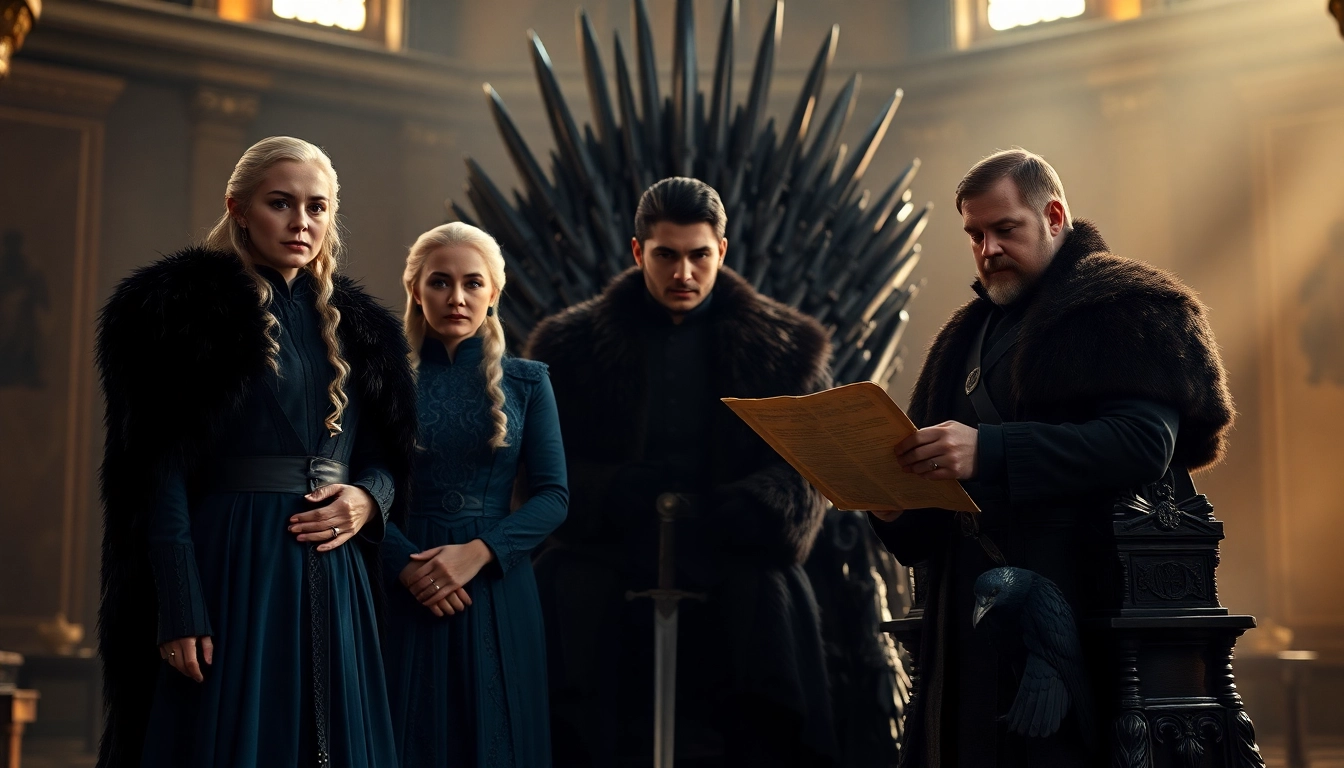
At the center of Game of Thrones is a diverse ensemble cast that brings to life the complex tapestry of Westeros. From noble knights to cunning royal figures, each character is meticulously crafted with intriguing backstories and evolving arcs. The core group of characters includes iconic names such as Jon Snow, Daenerys Targaryen, and Tyrion Lannister. These characters not only drive the narrative forward but also represent larger themes of power, betrayal, and redemption that are prevalent throughout the series.
Significance in the Series
The significance of the Game of Thrones cast extends beyond mere entertainment. Each actor's performance offers a unique interpretation of their character, contributing to the layered storytelling that defines the show. Through their portrayal, the cast invites viewers to grapple with moral dilemmas, question loyalties, and witness the consequences of power struggles. The depth of character development is both a hallmark of the series and a testament to the talent of the cast members.
Casting Insights
Casting decisions for Game of Thrones were crucial in setting the tone for the series. The creative team sought actors who not only fit the physical descriptions of the characters but also had the emotional range to convey their complexities. For instance, Emilia Clarke as Daenerys Targaryen embodies evolution—from an exiled princess to a formidable leader. This meticulous attention to casting not only enhances the authenticity of the characters but also creates emotional connections with the audience.
Key Characters of Game of Thrones Cast
Daenerys Targaryen: The Dragon Queen
Emilia Clarke's portrayal of Daenerys Targaryen is one of the cornerstones of Game of Thrones. Initially introduced as a meek girl under the thumb of her brother, Daenerys’ character arc transforms dramatically throughout the series. Her journey from a submissive figure to the powerful "Mother of Dragons" symbolizes resilience and the quest for identity. The complexities presented in her characterization—such as the duality of her quest for power and her deep-rooted moral intentions—resonate deeply with the series' themes.
Jon Snow: The Reluctant Hero
Kit Harington’s Jon Snow stands out as the quintessential reluctant hero. Quiet courage, a strong sense of morality, and a deep commitment to justice define his character. With roots in the Stark family but an uncertain lineage, Jon's journey involves themes of identity, belonging, and sacrifice. Harington effectively embodies these traits, making Jon Snow a relatable yet heroically flawed figure—a hallmark of compelling storytelling.
Tyrion Lannister: The Wit of Westeros
Portrayed by Peter Dinklage, Tyrion Lannister is often considered the best-written character in Game of Thrones. His sharp wit and tactical genius make him an invaluable player in the political games of Westeros. Dinklage’s portrayal showcases depth and vulnerability in Tyrion, allowing audiences to empathize with his struggles against prejudice and familial betrayal. Tyrion's narrative challenges traditional power dynamics, offering an insight into intelligence's role in a world often ruled by brute strength.
Supporting Characters in Game of Thrones Cast
Notable Supporting Figures
The world of Game of Thrones is rich with a plethora of supporting characters who enhance the storyline and add layers to the main narratives. From loyal allies like Brienne of Tarth, portrayed by Gwendoline Christie, to charismatic villains like Joffrey Baratheon played by Jack Gleeson, these characters often influence key plot twists. Their unique relationships with main characters provide additional avenues for exploring motivations, emotions, and moral conflicts.
Character Development Over Seasons
Character growth is a central theme in Game of Thrones, with many characters experiencing significant transformations throughout the series. For instance, Sansa Stark, once depicted as a naive young girl, evolves into a cunning player in her own right, ultimately becoming a strong leader. Such developments are not only critical to individual arcs but also mirror the overarching narrative's intricacies, revealing how power shifts and personal choices influence destinies.
Impact on Story Arcs
Supporting characters in Game of Thrones have a substantial impact on the overall story arcs. Characters like Cersei Lannister demonstrate how personal ambition and familial loyalty can intertwine and ultimately lead to self-destruction or pivotal turns in the plot. The intricate web of interactions between main and supporting characters underscores the unpredictability of the series, ensuring that audiences remain engaged and continuously guessing what might happen next.
Behind the Scenes: Game of Thrones Cast
Audition Stories and Selection
The process of casting for Game of Thrones is a fascinating behind-the-scenes tale filled with intrigue and drama. Many actors underwent rigorous audition processes, with some surprising stories emerging about their experiences. For example, Emilia Clarke thought her audition for Daenerys went poorly, and yet her deep commitment to the character won over the creators. Such anecdotes highlight not only the competitiveness of the industry but also the exceptional talent that eventually filled the game of thrones cast.
Actor Collaborations
Collaboration among the cast members was integral to the show's success, fostering a family-like atmosphere on set. The interactions between seasoned actors like Lena Headey and emerging talents like Maisie Williams enriched the filming experience. Their camaraderie is evident not only during their performances but also in interviews, where they share fond memories and mutual respect for each other's craft. These relationships often translate into on-screen chemistry, enhancing viewer engagement.
On-Set Dynamics and Relationships
The dynamics present on set during the filming of Game of Thrones have been described as a unique blend of high-pressure environment and supportive community. Cast members have recounted stories of bonding activities, such as on-set poker games and shared meals, which helped maintain morale amidst the intense work schedule. These relationships not only made for a pleasant work environment but also added depth to their performances, as they often relied on collective energy to bring their characters to life.
Legacy of the Game of Thrones Cast
Impact on Popular Culture
The Game of Thrones cast has indelibly marked popular culture, with many actors emerging as household names due to their roles. Memorabilia, memes, and parodies often highlight their characters, illustrating how deeply embedded they have become in the cultural lexicon. Television discussions, merchandise, and conventions devoted to Game of Thrones signify the show's extensive influence and the cast's role in that phenomenon.
Career Trajectories Post-Series
Post-series, many cast members have continued to thrive in diverse projects. For instance, Emilia Clarke has transitioned into film and theater, while Peter Dinklage is sought after for a variety of roles across different genres. Their ability to capture audience interest in Game of Thrones has paved the way for more complex and challenging roles, showcasing their versatility as actors.
Fan Engagement and Community
The relationship between the cast and fans has created a vibrant community of enthusiastic supporters. Social media platforms have become channels for actors to connect with viewers, share insights into their lives, and participate in discussions about the series. Conventions and fan events provide opportunities for fans to interact with cast members, fostering a sense of shared experience and belonging. This connection reinforces the show's legacy and hints at the enduring impact of the Game of Thrones cast on popular culture.