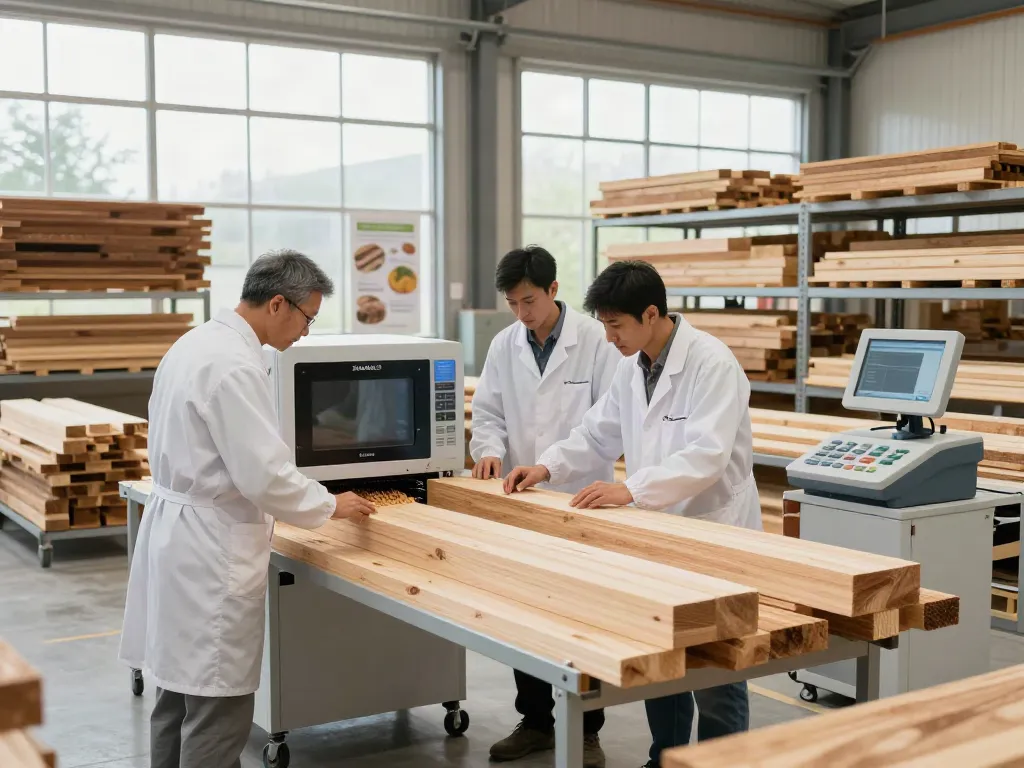
Understanding SHASHEL® Microwave Technology
In the ongoing battle against wood-boring insects, the SHASHEL® microwave technology stands out as a revolutionary solution. This advanced method utilizes the power of microwaves to eliminate pests, such as woodworms and their larvae, effectively and swiftly. Unlike traditional pest control methods that often rely on harmful chemicals, SHASHEL® offers a clean, efficient alternative that not only safeguards wood structures but also protects the environment. This article delves deep into the functionality, benefits, and applications of SHASHEL® technology, ensuring you have a comprehensive understanding of its capabilities.
When exploring options, SHASHEL® provides comprehensive insights into microwave pest control technology, highlighting its effectiveness and application across various wood treatment scenarios.
What is SHASHEL® and How Does It Work?
SHASHEL® is a cutting-edge microwave equipment designed specifically for treating wood affected by pests. The technology works by penetrating the wood and heating it to a point where wood-boring insects cannot survive. Microwaves excite the water molecules within the wood, generating heat that effectively kills pests while preserving the integrity of the wood itself.
The depth of penetration of microwaves makes this technology particularly advantageous, as it can treat hidden infestations that traditional methods might miss. With SHASHEL®, users can achieve a thorough wood treatment without damaging the material, thus extending the life of wooden structures.
Key Benefits of Using Microwave Technology for Pest Control
- Speed: Treatments can often be completed within minutes, significantly reducing downtime for affected structures.
- Safety: The process is chemical-free, making it safe for residential and commercial use.
- Effectiveness: SHASHEL® can eliminate all life stages of pests, including eggs, larvae, and adult insects.
- Environmental Impact: By avoiding toxic chemicals, this technology benefits the environment, minimizing ecological disruption.
- Versatility: It can be applied across various wood types, making it suitable for different applications, from furniture to structural beams.
Chemical-Free Treatment: Why It Matters
The adverse effects of chemical pest control methods are widely acknowledged, ranging from health risks to environmental concerns. With SHASHEL®, the elimination of wood-boring insects occurs without the introduction of potentially harmful substances into the environment. This chemical-free approach is particularly beneficial in sensitive areas such as homes, schools, and food storage facilities where safety is paramount.
In addition to health benefits, using microwave technology supports sustainability efforts. As consumers and businesses seek to reduce their ecological footprint, adopting SHASHEL® aligns with these values, offering an efficient solution without compromising safety or effectiveness.
Application of SHASHEL® in Wood Treatment
The application of SHASHEL® in wood treatment is straightforward yet effective. Understanding the preparation and execution of the treatment process can enhance overall results and ensure that all pest infestations are adequately addressed.
Preparing Wood for Microwave Treatment
Preparation is vital for ensuring the effectiveness of SHASHEL® treatments. This section outlines the necessary steps for adequately preparing wood:
- Inspection: Begin by inspecting the wood for signs of infestation. Look for holes, frass (insect debris), and visible larvae.
- Cleaning: Clean the area surrounding the affected wood to remove any dust or debris that may hinder microwave penetration.
- Placement: Position the wood correctly in the SHASHEL® device, ensuring that all surfaces are accessible for microwave exposure.
Step-by-Step Process of Using SHASHEL® Equipment
Once the wood is prepared, the following steps outline how to use the SHASHEL® equipment effectively:
- Load the wood: Place the treated wood inside the SHASHEL® unit, ensuring it is evenly spaced for optimal microwave distribution.
- Set the parameters: Adjust the settings as per the manufacturer's guidelines based on wood type and level of infestation.
- Start the treatment: Initiate the microwave treatment process and monitor the progress.
- Post-treatment inspection: After treatment, inspect the wood to confirm that all signs of infestation have been removed.
Common Mistakes to Avoid with Wood Treatment
To maximize the effectiveness of SHASHEL® treatments, avoiding common pitfalls is essential. Here are some frequent mistakes to watch out for:
- Insufficient preparation: Failing to inspect or clean the wood thoroughly can result in incomplete treatment.
- Incorrect settings: Using inappropriate power levels or treatment durations may compromise the effectiveness of the treatment.
- Neglecting safety guidelines: Always adhere to the manufacturer's safety recommendations to ensure safe usage of the equipment.
Evaluating the Effectiveness of SHASHEL® Treatments
Evaluating the success of SHASHEL® treatments is critical for confirming the elimination of pests and ensuring that no further action is necessary. Several indicators can provide insight into treatment effectiveness.
Measuring Treatment Success: Indicators to Watch
To measure the success of the SHASHEL® wood treatment, consider monitoring the following indicators:
- Visual Inspection: After treatment, check for any visible signs of insects or damage on the wood surfaces.
- Frass Accumulation: A decrease in frass or wood shavings after treatment can indicate successful pest elimination.
- Behavioral Changes: Monitor for any signs of insect activity over the following weeks to ensure that all pests have been eradicated.
User Testimonials: Real-World Results with SHASHEL®
User testimonials provide valuable insights into the real-world effectiveness of SHASHEL® treatments. Many customers report a dramatic decrease in wood-boring insect activity after treatment, highlighting the speed and safety of the process. Here are some excerpts from user feedback:
"After using SHASHEL® in our antique furniture shop, we noticed an instant reduction in pests. The peace of mind that comes without using chemicals is invaluable." - Maria S."Our wooden beams were infested, and the thought of using harsh chemicals was concerning. SHASHEL® was easy to use, and we saw results within minutes!" - John D.
Case Studies: Successful SHASHEL® Implementations
Numerous case studies affirm the effectiveness of SHASHEL® technology across various industries. For instance, a renowned museum utilized SHASHEL® to treat wooden artifacts that had been compromised by woodworms. Post-treatment inspections showed a complete eradication of pests, allowing the museum to preserve its collection without harming the items with chemicals.
Another case involves a construction company that used SHASHEL® to treat timber beams in a residential building. The company reported not only successful pest elimination but also an enhancement in the wood's durability, affirming the long-term benefits of this technology.
Future Trends in Pest Control Technology
The landscape of pest control technology is continually evolving, with innovations poised to redefine how we approach pest management, particularly in wood treatment.
Innovations on the Horizon for SHASHEL® Technology
Future advancements in SHASHEL® technology may include enhanced microwave power and efficiency, leading to even shorter treatment times. Additionally, further research may lead to the development of specialized units tailored for different wood types, enhancing the versatility and effectiveness of microwave treatments. Moreover, integrating artificial intelligence and IoT (Internet of Things) technology could allow real-time monitoring of pest activity, facilitating timely interventions.
Emerging Challenges in Wood Treatment Solutions
As pest behaviors evolve, new challenges may arise in effective wood treatment. For instance, some pests may develop resistance to certain treatment methods, necessitating continuous innovation in SHASHEL® technology. Staying informed on pest trends and adapting treatment approaches will be essential for maintaining effective pest control.
Adapting to Changing Pest Behavior Patterns
The behavior patterns of wood-boring insects can shift due to changing environmental conditions and human activities. This requires a proactive approach to pest control, prompting continuous research and adaptation of technologies like SHASHEL®. Companies must stay ahead of these trends to ensure their pest management strategies remain effective and responsive.
Frequently Asked Questions
How quickly can SHASHEL® eliminate wood-boring insects?
Most treatments with SHASHEL® can eliminate wood-boring insects within minutes, depending on the infestation level and wood type.
Is the SHASHEL® technology safe for all wood types?
Yes, SHASHEL® is designed to work safely on various wood types without causing damage or altering their structural integrity.
What maintenance is required for SHASHEL® equipment?
Minimal maintenance is required; however, regular cleaning of the equipment and ensuring that all components are functioning correctly is essential for optimal performance.
Are there environmental benefits to using SHASHEL®?
Indeed! By eliminating the need for harmful chemicals, SHASHEL® contributes to a healthier ecosystem and promotes sustainable pest management practices.
How does SHASHEL® compare to traditional pest control methods?
SHASHEL® offers a faster, safer, and more environmentally friendly alternative to traditional chemical pest control methods, providing effective solutions without the associated risks.