Understanding the Renovation Process
Embarking on a renovation can be an exciting yet daunting journey. It's essential to approach the renovation process with a clear understanding of what it entails. From setting your goals to navigating timelines, every step influences the overall outcome of your project. Here, we delve into the fundamental aspects of the renovation process, guiding you through each phase to ensure a successful transformation of your living space.
Defining Your Renovation Goals
Your first step in any renovation journey is to define what you hope to achieve. Are you looking to upgrade your home’s aesthetic, increase functionality, or boost property value? Perhaps you're contemplating energy efficiency improvements. Establishing clear goals not only streamlines the decision-making process but also keeps your project focused and on track.
- Identify Needs vs. Wants: Differentiate between what is essential and what would simply be nice to have. This will help prioritize your renovation features.
- Research: Look into current trends and functionalities that might align with your goals. Consult design magazines, online platforms, and local showrooms.
- Consider Long-term Plans: If you intend to stay in your home for years to come, debate how these renovations can accommodate your future needs.
Setting a Realistic Budget for Renovation
Budgeting is often where many renovations go awry. When planning your budget, consider all potential costs, from materials and labor to unexpected contingencies. A well-prepared budget allows you to make informed decisions without the stress of financial strain.
- Breakdown Costs: Create categories for all aspects of the renovation: demolition, labor, materials, permits, and finishes. This detailed view helps manage spending expectations.
- Emergency Fund: Set aside at least 10-20% of your budget for unexpected issues that may arise during the renovation process.
- Get Quotes: Gather multiple quotes from contractors to have a better idea of what to expect in terms of labor costs.
Choosing the Right Timeline for Renovation
When planning your renovation timeline, it’s important to be realistic about how long each phase will take. Rushing the process can lead to mistakes, while a well-structured timeline ensures every detail is attended to properly.
- Phase Planning: Break your renovation down into phases (e.g., design, demolition, construction, and finishing) and allocate time for each.
- Seasonal Considerations: If your renovation involves outdoor work, factor in seasonal weather patterns that may affect timelines.
- Flexibility: EcoEnsure to remain adaptable. Delays can happen due to unforeseen circumstances like permitting issues or supply chain delays.
Planning Your Renovation Design
Once you have laid the groundwork for your renovation, the next step is designing your space. This phase is where creativity meets practicality, emphasizing the importance of a well-thought-out plan.
Incorporating Modern Trends in Renovation
Staying in tune with modern design trends can add value and contemporaneity to your home. However, it’s crucial to blend trends with your personal style to maintain a sense of individuality.
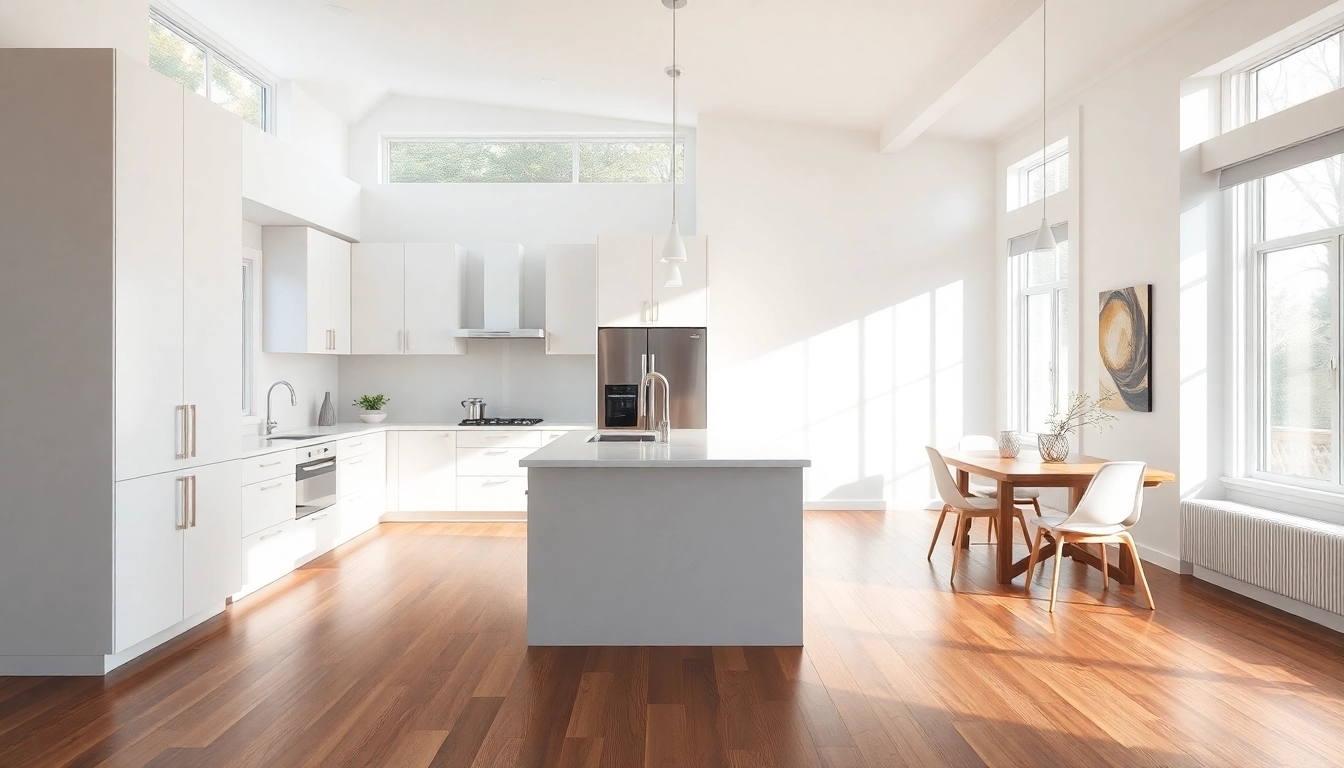
- Open Spaces: Open floor plans continue to gain popularity, promoting natural light and creating a sense of space.
- Sustainable Materials: Eco-friendly materials are not only beneficial for the environment but also stylish and durable.
- Smart Technology: Incorporating smart home features (like automated lighting or climate control) into your renovation can enhance convenience and efficiency.
Maximizing Space in Your Renovation
Especially in smaller homes, maximizing space can make a significant difference in functionality and comfort. Smart design can ensure you create areas that serve multiple purposes.
- Built-in Storage: Consider built-ins to minimize clutter and utilize vertical space effectively.
- Flexible Furniture: Opt for multi-functional furniture that can be easily rearranged or adapted.
- Light and Color: Use light colors and strategic lighting to create an illusion of taller ceilings and broader spaces.
Creating a Functional Layout in Renovation
A well-thought-out layout enhances the usability of your space. It’s essential to consider how different areas interact and how people will navigate through your home.
- Flow: Ensure there’s a logical progression from one space to another. Avoid too many barriers between rooms.
- Room Purpose: Clearly define the purpose of each room to avoid overlap and maximize usability.
- Accessibility: Make sure that the layout accommodates all users, especially if you have children or elderly family members.
Executing Your Renovation Project
With a solid design plan in place, it’s time to bring your vision to life. This phase can be the most challenging but also the most rewarding as you begin to see your ideas materialize.
Hiring the Right Contractors for Renovation
Selecting the right contractors is crucial for the success of your renovation. A competent team can significantly streamline the process and enhance the quality of the work delivered.
- Research and Recommendations: Look for contractors who specialize in the type of work you need, and ask for recommendations from friends or family.
- Verification: Always verify licenses, insurance, and past work to ensure quality and professionalism.
- Set Clear Expectations: When you hire a contractor, communicate your vision, budget, and timeline clearly from the start.
Permits and Regulations in Home Renovation
Before commencing any demolition or construction work, it's vital to understand the local regulations and obtain any necessary permits. Neglecting this can result in fines or costly changes.
- Local Codes: Research zoning laws and building codes in your area that might affect your renovation plans.
- Permit Process: Apply for permits early since the approval process can take time.
- Consultation: Consider consulting with a professional who is familiar with local building codes to ensure compliance.
Managing Your Renovation Timeline Effectively
Staying organized throughout your renovation is crucial to ensure that your timeline remains realistic and on track.
- Regular Check-ins: Hold regular meetings with your contractors to discuss progress and address any concerns immediately.
- Adjust as Necessary: Be prepared to adapt your timeline as new challenges arise, but try to stay as close to your original schedule as possible.
- Document Changes: Keep a detailed log of decisions and changes that occur throughout the renovation. This will be helpful for future projects.
Staying on Budget During Renovation
As renovation work progresses, it can be tempting to extend your budget. However, adhering to your financial plan is crucial for the overall success of the project.
Choosing Quality Materials for Renovation
Quality materials are an investment that can lead to longevity and satisfaction, avoiding the need for premature replacements or repairs.
- Research Options: Spend time researching different materials; sometimes, higher upfront costs can mean savings down the line.
- Supplier Relationships: Establish relationships with suppliers to gain access to discounts and expert advice.
- Balance Function and Aesthetics: Choose materials that blend durability with visual appeal to bolster your home’s style.
Avoiding Common Renovation Pitfalls
Understanding common pitfalls can help you avoid unnecessary stress and expenses. By being aware, you can better navigate potential issues as they arise.
- Planning Too Little: Avoid rushing into decisions. Take your time to plan and think through each element of the renovation.
- Ignoring the Need for Professional Help: Some projects require skilled professionals. Knowing when to call in the pros can save you headaches.
- Underestimating Costs: Always anticipate unexpected costs and don’t skip important elements to save money.
Tracking Your Renovation Expenses
Keeping a close eye on your expenses is crucial to staying on budget. Implementing effective tracking methods can help you identify overspending early on.
- Budgeting Software: Consider using budgeting software or apps to track expenditures in real-time.
- Reconcile Regularly: Set a routine to assess your budget against your actual spending at least once a week.
- Be Transparent: Make sure your contractor knows your budget and sticks to it, ensuring transparency can help you avoid surprises.
Post-Renovation: Maintaining Your Newly Renovated Space
Once the dust settles after your renovation, maintaining the new space is crucial to preserving its value and aesthetics. Regular upkeep is key to ensuring that your investment lasts.
Establishing a Routine for Home Maintenance
Creating a maintenance schedule can help you systematically address the needs of your newly renovated space, keeping everything in optimal condition.
- Seasonal Checks: Establish seasonal maintenance tasks, such as checking HVAC systems or inspecting the roof for damage.
- Routine Cleaning: Regularly clean and maintain surfaces to avoid deterioration and keep them looking fresh.
- Periodic Updates: Consider updating decor elements every few years to keep your space feeling modern and inviting.
Decorating Tips for Your Renovated Space
Once renovations are complete, personalizing the space through decor can enhance its appeal. Here are some tips to get you started:
- Personal Touches: Incorporate artwork, family photos, or heirlooms that reflect your personality and interests.
- Color Scheme: Stick to a cohesive color palette that complements your renovations while allowing you to express your style through accessories.
- Layer Textures: Use various textiles and materials to create a cozy and inviting atmosphere, enhancing the aesthetic appeal.
Evaluating the Success of Your Renovation
After your renovation is complete, it’s beneficial to evaluate the overall success of the project. Did it meet your initial goals? What went well and what could be improved for future projects?
- Feedback Gathering: Gather feedback from family members or friends who experience the renovated space to gain diverse insights.
- Performance Tracking: Monitor how the new features perform over time and whether they fulfill their intended purpose.
- Document Lessons Learned: Keep a record of what you learned during this renovation process to apply to any future projects.
FAQs about Renovations
What is the first step in planning a renovation?
The first step is defining your renovation goals. Determine what you want to achieve, such as improving aesthetics, functionality, or energy efficiency.
How can I set a realistic renovation budget?
To set a realistic budget, break down costs for materials, labor, permits, and unexpected expenses. Always include a contingency fund of 10-20% for surprises.
How long does a typical renovation take to complete?
The duration varies based on project size and complexity, ranging from a few weeks for minor changes to several months for larger renovations.
What should I consider when choosing materials for my renovation?
Consider durability, style, maintenance, and cost. It's best to research and compare options to balance quality with your budget.
How can I maintain my renovated space?
Establish a maintenance routine to check systems and clean regularly. Seasonal inspections and periodic updates will help preserve your renovated space.