Understanding Clarksburg Wineries: An Overview
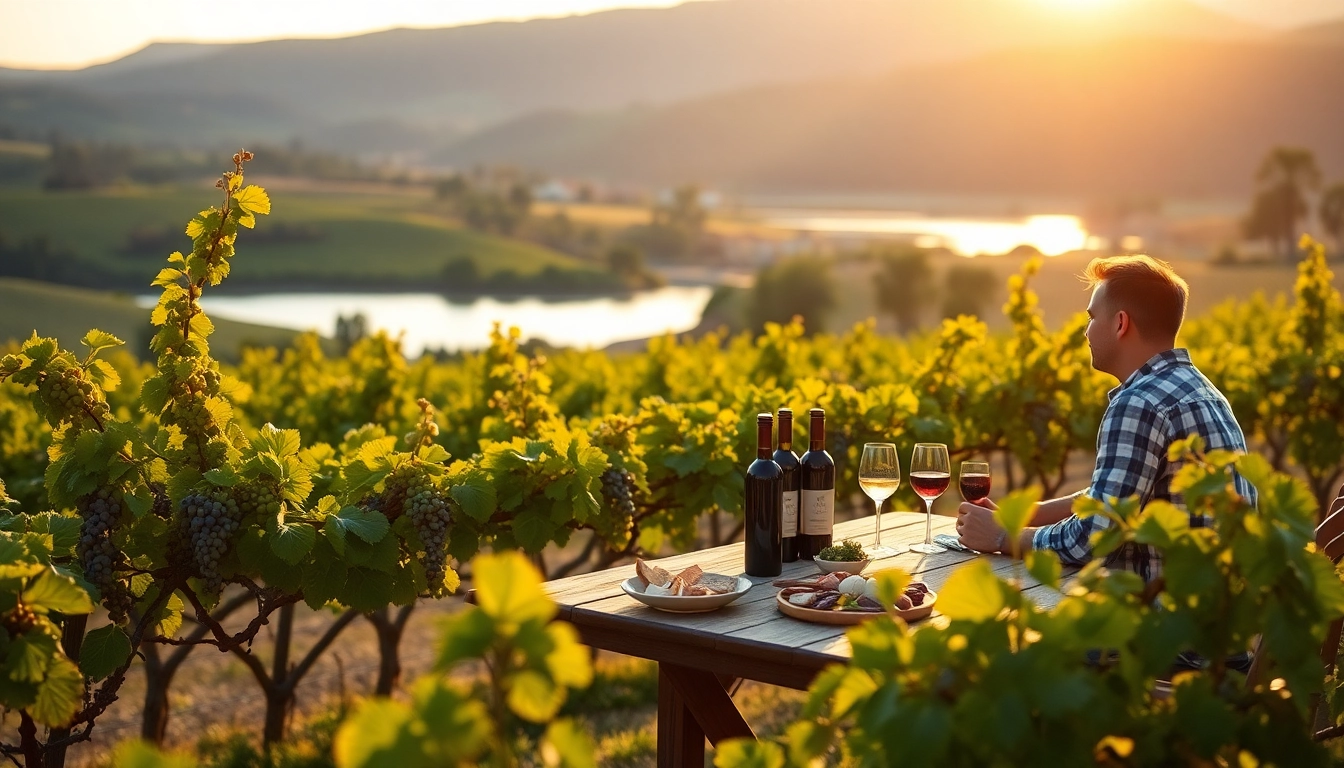
Nestled along the banks of the Sacramento River, Clarksburg wineries offer a blend of exquisite wines and picturesque landscapes. The region, often overshadowed by its more famous neighbors, is burgeoning with a humble yet profound dedication to wine production. This article delves deep into the essence of Clarksburg’s wineries, unveiling the history, varietals, and the overall experience that awaits visitors.
The Wine Regions of Clarksburg
Clarksburg is located in California’s Sacramento Valley, which is renowned for its fertile soil and favorable climate for grape growing. The area benefits from a Mediterranean climate characterized by hot, dry summers and cool winters, facilitating a long growing season ideal for ripening grapes. The proximity to the Sacramento River not only provides sufficient irrigation but also moderates temperature fluctuations, making it an exceptional region for various grape varieties.
The Clarksburg AVA (American Viticultural Area) was established in 1985, bringing recognition to the quality of wines produced here. Unique features such as the Delta breezes that sweep through the valley help to maintain higher acidity levels in the grapes, thereby enhancing the overall complexity of the wines.
History and Development of Clarksburg Wineries
The history of winemaking in Clarksburg is notably rich, dating back to the late 1800s when it served as a prime shipping point for agricultural products. Early settlers, recognizing the potential of the region's climate and soils, began planting vineyards. However, large-scale commercial winemaking didn’t pick up until the 20th century when entrepreneurs saw the opportunity to create quality wines that could stand on their own in the competitive California wine market.
By the late 1900s, several wineries emerged, each bringing unique perspectives and varietals to the region. Their focus varied from traditional methods to embracing innovative practices, all aimed at enhancing wine quality and sustainability. Today, Clarksburg is home to several acclaimed wineries that celebrate both classic and new-world wine varietals.
Types of Wines Produced in Clarksburg
A diverse array of wines is produced in Clarksburg, thanks to the varied terroirs and grape varieties. Some of the most notable types include:
- Chardonnay: Known for its crisp acidity and notes of apple, pear, and sometimes tropical fruits, Clarksburg Chardonnay often features a balanced oak influence.
- Sauvignon Blanc: With vibrant citrus and herbal notes, Sauvignon Blanc from this region offers an expressive profile that mirrors its bright climate.
- Cabernet Sauvignon: Though not as predominant as in Napa Valley, Clarksburg Cabernet reflects robust flavors with an elegant tannin structure, often exhibiting dark fruit characteristics.
- Merlot: This varietal is celebrated for its smoothness and fruit-forward profile, lending itself well to blends as well.
- Zinfandel: A historic California favorite, Clarksburg Zinfandel often exhibits ripe berry flavors and a hint of spice, perfect for pairing with barbecue and hearty dishes.
Visiting Clarksburg Wineries: What to Expect
For those contemplating a visit to Clarksburg wineries, it is imperative to know what to expect from your wine-tasting adventure. The experience goes beyond merely tasting; it’s about immersing oneself in the vibrant wine culture that Clarksburg offers.
Wine Tours and Tastings
Most wineries in Clarksburg provide guided tours that allow visitors to explore the vineyards, production facilities, and tasting rooms. During these tours, guests can gain insights into the winemaking process, from grapevine cultivation to fermentation and aging. Many of these tours are led by knowledgeable staff members who share stories of the land, the history of the winery, and their philosophy on winemaking.
Tastings can vary widely, with some wineries offering formal sit-down tastings featuring flights of their best selections, while others may provide a more casual experience where visitors can sample wines at their own pace. Many tastings also include options for food pairings, enhancing the tasting experience with local cheeses, charcuterie, or small bites. It's recommended to book tastings in advance, especially during peak visiting seasons.
Events and Festivals Celebrating Local Wines
Throughout the year, Clarksburg hosts various events and festivals that celebrate its winemaking heritage. One of the highlights is the Clarksburg Wine and Food Festival, where local wineries showcase their wines alongside culinary delights from nearby restaurants and chefs. This event not only allows attendees to sample an array of wines but also to engage with winemakers and learn more about the region's growing culinary scene.
Moreover, many wineries host seasonal events, such as harvest celebrations, blending seminars, and unique dinner pairings. These gatherings provide opportunities for wine enthusiasts to deepen their appreciation for Clarksburg wines while establishing connections within the community.
Dining Options Near Wineries
Clarksburg is home to a variety of charming dining establishments that offer delicious culinary pairings with local wines. From casual cafes to elegant dining, visitors can enjoy meals that highlight regional flavors. Some recommended options include:
- The Delta Bistro: This restaurant features a menu that showcases seasonal ingredients from local farms, providing perfect pairings to accompany Clarksburg wines.
- Old Sacramento Waterfront: Just a short drive from Clarksburg, the old district features numerous eateries with riverfront views, many of which offer extensive wine lists that include selections from Clarksburg.
No visit to a winery is complete without considering how food enhances the overall tasting experience. Many wineries also provide food options on-site, partnering with local food vendors to bring the community's flavors directly to visitors.
Choosing the Right Clarksburg Winery for Your Visit
With many options available, selecting the perfect winery to visit in Clarksburg can be both an exciting and daunting task. Understanding your preferences and doing some research can ensure a rewarding experience.
Factors to Consider When Selecting a Winery
When deciding which winery to visit, consider the following factors:
- Wine Varieties: Determine what types of wine you enjoy the most. Some wineries specialize in specific varietals, while others offer a range.
- Tasting Experience: Review the types of tastings available. Do you prefer a structured tasting or a more casual experience? Consider booking guided tours if you're interested in detailed insights.
- Ambiance: Each winery offers a unique atmosphere. Some feature stunning outdoor spaces, while others provide cozy indoor settings. Read reviews to find an ambiance that appeals to you.
- Accessibility: Consider the winery's location and ease of access. Some may require a bit more travel, while others are conveniently located in the heart of Clarksburg.
- Events: Check if there are any special events or seasonal activities that coincide with your visit.
Reviews and Recommendations for Clarksburg Wineries
Reading through reviews and recommendations can provide valuable insights into what you can expect at each winery. Websites like Yelp, TripAdvisor, and local review blogs often feature firsthand accounts from visitors. Look for reviews that discuss not only the quality of wines but also the hospitality, atmosphere, and overall experience. These insights can guide you to make the best selection that suits your preferences.
Top Wineries in the Clarksburg Region
While there are numerous wineries to explore, some have garnered more attention due to their unique offerings and award-winning wines. Here are a few highly-regarded wineries in the Clarksburg area:
- Harvest Ridge Winery: Known for its charming tasting room and beautiful vineyard views, Harvest Ridge offers a stellar lineup of varietals, particularly their award-winning Chardonnay.
- Bokisch Vineyards: Specializing in Spanish varieties, Bokisch Vineyards provides a unique tasting experience with wines such as Garnacha and Albariño.
- Clarksburg Wine Company: This winery is recognized for producing a wide range of grapes and is known for eco-friendly practices, creating quality wines with a commitment to sustainability.
Pairing Clarksburg Wines with Food
The essence of enjoying Clarksburg wines is best captured in the art of pairing them with food. Understanding how flavors interact can elevate your dining experience and enhance the enjoyment of the wine.
Exploring Flavor Pairings with Local Cuisine
When pairing Clarksburg wines with food, consider the primary flavors and textures of each dish. For instance:
- Chardonnay: This varietal pairs wonderfully with seafood dishes like grilled salmon or creamy risottos, where the wine’s acidity complements the rich flavors.
- Sauvignon Blanc: Its herbaceous and acidic qualities make it an excellent match for fresh salads, goat cheese, or dishes with citrus-based sauces.
- Cabernet Sauvignon: Known for its depth and robustness, this varietal is ideal for red meats, particularly grilled steaks or lamb. The tannins in the wine soften with the rich flavors of these dishes.
- Zinfandel: A versatile wine, it pairs beautifully with barbecued dishes, spicy foods, and even pizza, reflecting the wine's fruity and spicy undertones.
Tips for Hosting a Wine and Food Pairing at Home
For those looking to bring the winery experience home, hosting a wine and food pairing can be an enjoyable endeavor. Here are some tips:
- Select a Theme: Choose a theme, such as a specific grape or region. This will help guide your wine and food selections.
- Include a Variety: Offer a range of wines and dishes to provide guests with different tasting experiences. Consider including both complementary and contrasting flavors.
- Offer Descriptions: Provide background on the wines and dishes served. Guests appreciate learning about what they’re tasting.
- Encourage Interaction: Foster conversation about favorite pairings and experiences; it makes the gathering more interactive and memorable.
- Plan Amounts Accordingly: Ensure that there’s enough food to match the number of wine options to keep the tasting balanced.
Signature Dish Pairings with Clarksburg Wines
Focusing on signature dishes can enhance the contextual experience of Clarksburg wines. Here are some recommendations:
- Clarksburg Chardonnay with Lemon Butter Scallops: The buttery notes of the scallops harmonize beautifully with the crispness of Chardonnay.
- Clarksburg Zinfandel with Grilled BBQ Pork: The wine’s fruitiness enhances the sweet and smoky flavors of BBQ.
- Clarksburg Sauvignon Blanc with Prosciutto-Wrapped Asparagus: This pairing highlights the herbaceous notes of the wine while complementing the saltiness of the prosciutto.
Sustainability Practices in Clarksburg Wineries
In recent years, sustainability has become an essential focus within the wine industry, and Clarksburg wineries are no exception. Many aim to create quality wines while minimizing their environmental impact.
Eco-Friendly Initiatives by Local Wineries
Several Clarksburg wineries have adopted eco-friendly practices to promote sustainability. Some impressive initiatives include:
- Organic Farming: Many wineries are transitioning to organic vineyard practices, avoiding synthetic pesticides and herbicides, which benefits both the environment and the health of the consumers.
- Water Conservation: With the Sacramento Valley's water resources under scrutiny, many wineries use drip irrigation and other conservation techniques to reduce water usage while maintaining vine health.
- Solar Energy: Some wineries have invested in solar panels to power their facilities, reducing reliance on traditional energy sources.
The Importance of Sustainable Wine Production
Sustainable winemaking is important not only for the environment but also for the quality of wine produced. By emphasizing natural farming techniques, wineries can ensure that their grapes are grown in healthy soils that produce vibrant, high-quality fruit. Furthermore, sustainability resonates with consumers, who are increasingly prioritizing environmentally-friendly practices in their purchasing decisions.
Future Trends in Sustainable Winemaking in Clarksburg
Looking forward, the future of sustainable winemaking in Clarksburg is promising. As consumer demand rises for environmentally-conscious products, more wineries are likely to adopt advanced techniques, including:
- Climate-Smart Practices: Adapting vineyard management in response to climate change will be crucial for maintaining the region's wine quality.
- Innovative Technologies: Utilizing advanced technologies in viticulture can help enhance efficiency while minimizing environmental impact.
- Community Engagement: Wineries may increasingly partner with local organizations to promote sustainability practices within the broader community.
Ultimately, the sustainability movement in Clarksburg not only benefits the vineyards but also serves to create a more resilient and vibrant community of winemakers dedicated to preserving the land for future generations.