Introduction to Steel Structure Design
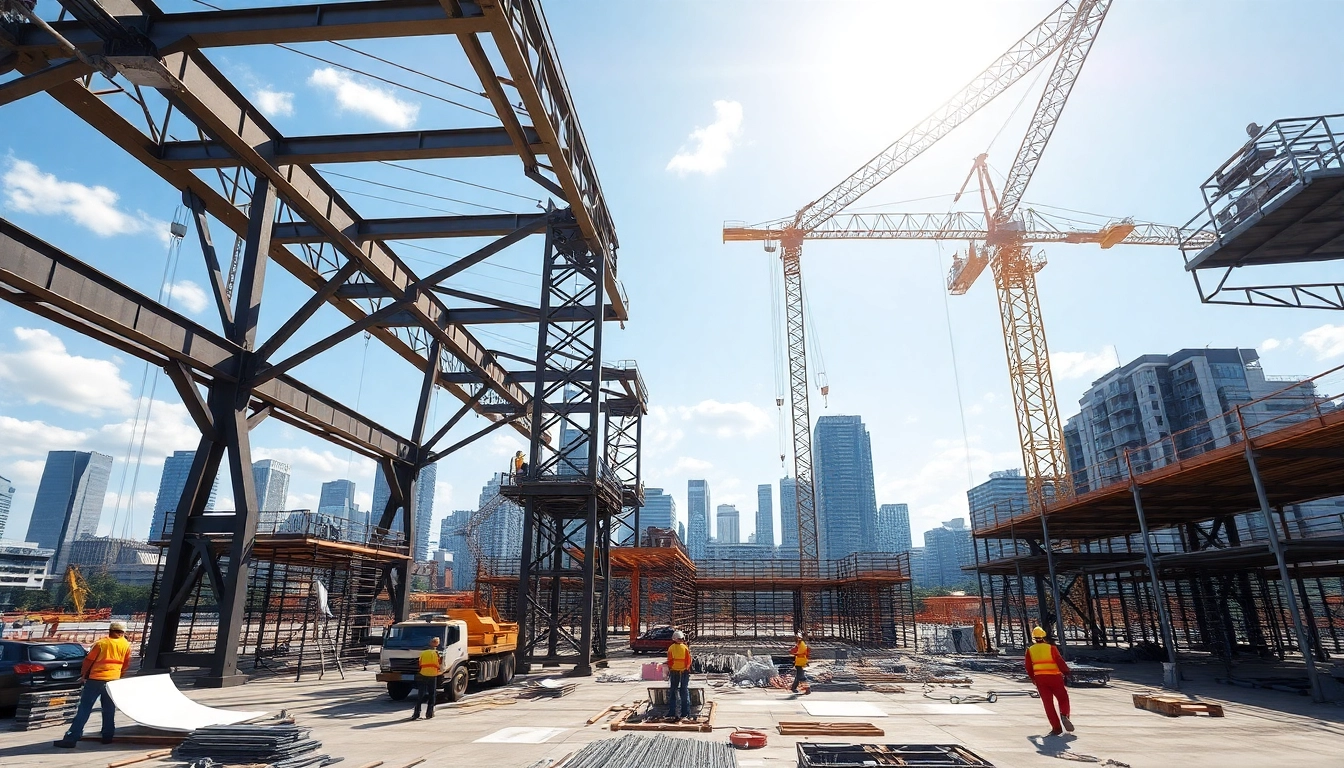
Steel structure design is a critical aspect of modern engineering that enhances architectural innovation and construction efficiency. As industries evolve in response to urbanization and technological advancements, the need for robust and flexible structures becomes increasingly prominent. Through the use of steel structure design, engineers are able to create buildings and infrastructures that meet diverse requirements while ensuring safety and sustainability.
What is Steel Structure Design?
Steel structure design refers to the process of designing structures primarily composed of steel or using steel elements in a composite manner. This involves applying principles of engineering to form a framework that supports the overall structure. Steel's unique properties, including high strength-to-weight ratio, ductility, and recyclability, make it a preferred choice for structures ranging from skyscrapers to bridges, warehouses, and industrial facilities.
The Importance of Steel in Modern Construction
With its exceptional durability and strength, steel has revolutionized the world of construction. As cities grow vertically and horizontally, the efficiency and performance characteristics of steel allow for the erection of taller and more complex structures. Steel's benefits extend beyond mere physical properties; it contributes to shorter construction timelines, reduces material waste, and fosters innovative design approaches. The adaptability of steel to various architectural styles also plays a significant role in its importance.
Applications of Steel Structure Design in Various Industries
Steel structure design finds its application across various sectors. In the commercial sector, it is commonly used in high-rise buildings due to its capacity to carry heavy loads while providing ample space. In the industrial sector, steel structures facilitate the construction of warehouses, manufacturing plants, and other operational hubs. Infrastructure projects like bridges and rail stations also utilize steel for its long-span capabilities and resistance to fatigue. Moreover, the agricultural industry benefits from steel structures in barns and equipment shelters, showcasing the versatility of this material.
Key Principles of Steel Structure Design
Successful steel structure design hinges on several key principles that ensure safety, performance, and compliance with relevant regulations. Understanding and applying these principles is essential for engineers and designers who strive for excellence in their projects.
Understanding Load Analysis
Load analysis is foundational to steel structure design. It involves calculating the forces that a structure will experience throughout its lifecycle, including dead loads (static forces like the weight of structural elements), live loads (dynamic forces from occupants, furniture, and equipment), and environmental loads (such as wind, seismic, and snow loads). Engineers utilize various models and methodologies to assess these loads and their impact on the structure, helping to inform material selection, sizing of components, and the overall structural integrity.
Material Selection for Durability and Strength
The selection of materials is a crucial step in the design process. Steel types vary in properties, grade, and treatment, which can significantly impact durability and performance. High-strength steel is often chosen for its ability to handle substantial loads, while other types may be selected for their resistance to corrosion or fire. The choice of material not only affects the longevity of the structure but also influences maintenance costs and sustainability considerations.
Design Codes and Standards Compliance
Compliance with design codes and standards is imperative in steel structure design. These regulations, established by organizations such as the American Institute of Steel Construction (AISC) and the International Building Code (IBC), outline minimum safety measures, load capacities, and material specifications. Adhering to these standards helps ensure that structures are safe for use and can withstand expected loads and conditions, thus mitigating the risk of structural failure.
Common Challenges in Steel Structure Design
The path to successful steel structure design is not devoid of challenges. Engineers and architects often face obstacles that require innovative solutions and careful planning.
Addressing Structural Integrity Issues
Maintaining structural integrity is paramount. Designers must consider various factors such as fatigue, buckling, and lateral-torsional stability. Implementing proper reinforcement and employing advanced analysis techniques, such as finite element analysis (FEA), can help address potential weaknesses in the design. Regular inspections and maintenance plans during the lifecycle of the structure also play a crucial role in preserving integrity and ensuring user safety.
Managing Costs and Budget Constraints
Cost management is a persistent challenge in any construction project. Effective steel structure design seeks to balance quality and affordability. This can involve sourcing materials responsibly, optimizing design to reduce waste, and carefully managing labor costs. Utilization of prefabricated steel components can also help accelerate construction timelines and reduce on-site labor costs, thereby enhancing overall budget adherence.
Overcoming Construction Delays and Risks
Construction delays can arise from various factors, including permit issues, supply chain disruptions, or unfavorable weather conditions. Successful project management involves anticipating these risks and developing contingency plans. Clear communication among stakeholders, including contractors, suppliers, and clients, is essential for ensuring that everyone is aligned and addressing challenges swiftly.
Best Practices for Effective Steel Structure Design
Navigating the intricacies of steel structure design requires the implementation of best practices that foster collaboration, sustainability, and efficiency throughout the design and construction process.
Collaborating with Architects and Engineers
Effective collaboration between architects and engineers is crucial for optimizing design. Early integration of input from both disciplines can lead to innovative solutions that enhance aesthetics while ensuring structural integrity. Regular meetings, workshops, and design charrettes can facilitate communication, allowing teams to address potential conflicts and develop a cohesive vision that successfully meets the project’s objectives.
Incorporating Sustainable Design Elements
Incorporating sustainability into steel structure design involves addressing environmental impacts and resource efficiency. This includes selecting recycled steel, implementing energy-efficient systems, and designing structures for disassembly to promote recycling at the end of their lifecycle. Moreover, utilizing green building certifications (like LEED) can guide teams in sustainable practices that enhance environmental performance while meeting client expectations.
Utilizing Advanced Design Software and Tools
The use of advanced design software plays an essential role in steel structure design. Tools such as Computer-Aided Design (CAD), Building Information Modeling (BIM), and structural analysis software enable engineers to visualize complex designs, conduct simulations, and analyze forces. These technologies also enhance collaboration, allowing stakeholders to share and modify designs efficiently while reducing errors and enhancing productivity.
FAQs about Steel Structure Design
What materials are commonly used in steel structure design?
Common materials include various grades of steel like carbon steel, stainless steel, and alloy steel, chosen based on project requirements for strength, corrosion resistance, and specific structural characteristics.
How do I ensure structural safety in steel design?
Ensuring safety involves thorough load analysis, adhering to design codes, using quality materials, and engaging in regular inspections throughout the construction and operational phases.
What are the advantages of steel structures over traditional building methods?
Steel structures offer several advantages, including higher strength-to-weight ratios, design flexibility, durability, and faster construction timelines compared to traditional materials like wood or brick.
How can I minimize costs in steel structure projects?
Minimizing costs can be achieved through effective design optimization, sourcing materials efficiently, utilizing prefabricated components, and maintaining careful project management to avoid delays.
What role does CAD software play in steel structure design?
CAD software facilitates detailed design visualization, drafting, and precise calculations, allowing engineers to analyze and refine structural components efficiently and reduce potential errors in construction.