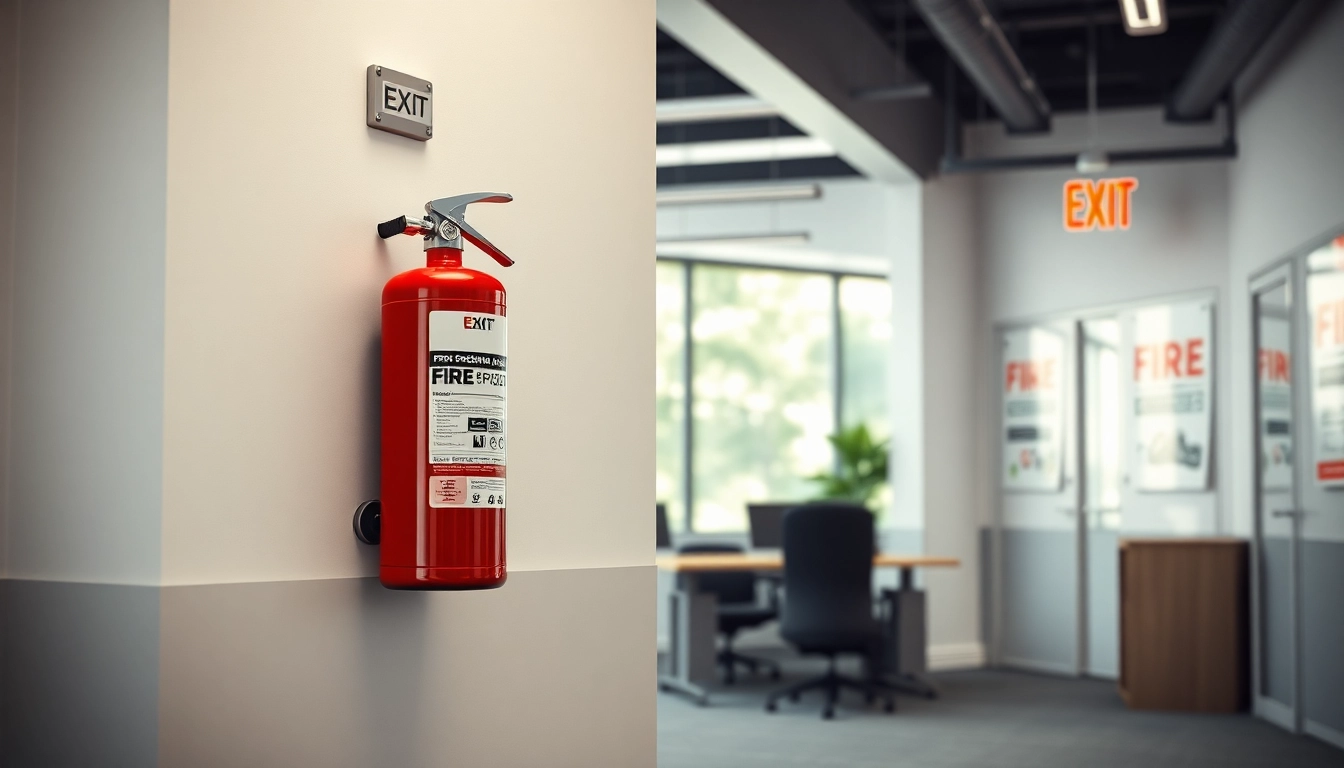
Understanding the Importance of Pass Fire Extinguishers
What is a Pass Fire Extinguisher?
A pass fire extinguisher, commonly referred to as a fire extinguisher with a "pull, aim, squeeze, and sweep" (PASS) method, is an essential safety device designed to put out small fires. These extinguishers come in various classes, each tailored to combat specific types of fires based on the materials involved. The PASS technique ensures that even individuals without prior fire training can effectively use the extinguisher in emergencies, making it crucial for workplaces and public spaces alike. The main components of the PASS acronym highlight the steps an operator should take: Pull the pin, Aim at the base of the fire, Squeeze the handle to release the agent, and Sweep from side to side until the fire is extinguished. Understanding this method is fundamental but only begins to scratch the surface of fire safety in the workplace.
Why Every Workplace Needs One
Every workplace, regardless of industry, has a responsibility to safeguard its employees and visitors. Fires can escalate quickly, and having a readily accessible pass fire extinguisher can mean the difference between a minor incident and a catastrophic event. Statistics reveal that a significant percentage of workplace fires are small and manageable if attended to promptly. In fact, according to the National Fire Protection Association (NFPA), nearly 80% of fire-related injuries occur in homes, but workplaces also face serious risks that can be mitigated with proper fire safety measures.
Besides safety, having fire extinguishers is a regulatory necessity. Companies without these devices may face hefty fines and legal ramifications. By ensuring that a pass fire extinguisher is present, employers not only comply with safety standards but also show their commitment to the well-being of their workforce. In this regard, investing in a pass fire extinguisher is not merely about damage control; it's about fostering a proactive safety culture.
Legal Requirements and Compliance
Understanding the legal landscape regarding fire safety is critical for any organization. National fire codes and local regulations often mandate that workplaces have fire extinguishers in specific numbers, types, and locations. For instance, the Occupational Safety and Health Administration (OSHA) requires employers to provide a workplace free from recognized hazards, which explicitly includes fire risks. Failure to comply with these regulations can lead to inspections, fines, and increased liability in cases of accidents.
Establishing a compliance checklist based on local and industry-specific fire codes can ensure that your workplace meets the necessary standards. Regular audits and inspections of your fire safety equipment, along with training for employees, can keep your organization well-equipped for emergencies while minimizing legal risks.
Choosing the Right Type of Pass Fire Extinguisher
Classifications of Fire Extinguishers
Fire extinguishers are classified based on the kind of fire they are designed to handle. Understanding these classifications can guide you in selecting the appropriate pass fire extinguishers for your workplace:
- Class A: For ordinary combustibles such as wood, paper, and cloth.
- Class B: Designed for flammable liquids like gasoline, oils, and paints.
- Class C: For electrical fires, applicable to live electrical equipment.
- Class D: Specifically made for flammable metals, often found in specialized industries.
- Class K: Used primarily in kitchens with cooking oils and fats.
Choosing a fire extinguisher from the right class is crucial because using the wrong type can not only be ineffective but also dangerous. For instance, using water to extinguish an electrical fire (Class C) can lead to electrocution, emphasizing the importance of selecting a pass fire extinguisher that matches the potential hazards in your work environment.
Factors to Consider When Selecting
When selecting a pass fire extinguisher, various factors must be considered to ensure your workplace is adequately protected:
- Type of Materials Present: Assess the substances you use daily—this will dictate the class of fire extinguisher you need.
- Location: Consider high-risk areas, such as kitchens, storage rooms, and electrical rooms, where fires are more likely to occur.
- Accessibility: Ensure that fire extinguishers are easily accessible to everyone in the building, ideally on every floor and near exit routes.
- Size and Weight: Evaluate the size and weight of the extinguisher. Heavier models may not be usable by all employees.
- Maintenance and Inspection Requirements: Some extinguishers have different service and maintenance needs—select one that aligns with your operational capabilities.
Common Mistakes to Avoid
When implementing fire safety measures, certain common mistakes can diminish the effectiveness of safety efforts:
- Neglecting Training: Even the best equipment is useless if employees do not know how to use it effectively.
- Overlooking Regular Maintenance: Fire extinguishers must be inspected regularly to ensure they are in operational condition. Neglecting this can render the equipment useless when needed most.
- Choosing Generic Solutions: Avoid assuming that one type of fire extinguisher works for all environments. Specific hazards require tailored solutions.
- Forgetfulness Regarding Updates: Business operations change; ensure fire safety measures evolve to accommodate new risks.
Installation and Maintenance Best Practices
Where to Install Your Fire Extinguisher
The proper installation of fire extinguishers is critical for ensuring safety in the workplace. Here are best practices for installation:
- Accessibility: Fire extinguishers should be mounted in conspicuous locations and easily accessible to all employees. The ideal height for mounting is between 3.5 to 5 feet above the floor.
- Near Potential Fire Hazards: Place extinguishers near areas where fire hazards exist, such as kitchens, labs, and workshops.
- Along Exit Routes: Position extinguishers along identified exit routes to ensure they can be reached quickly during an emergency.
- Avoid Obstruction: Ensure extinguishers are free from obstructions and clearly marked so they can be located quickly during a fire.
Scheduled Maintenance Checks
Continuous monitoring and maintenance of fire extinguishers are essential to guarantee operational readiness. Best practices for maintenance include:
- Monthly Inspections: Conduct physical inspections to ensure pressure gauges are in the green, the locking pin is intact, and there are no signs of damage or corrosion.
- Annual Professional Services: Schedule annual inspections by certified professionals to comply with safety regulations and check the functionality of the extinguisher.
- Documentation: Keep records of inspections and maintenance, as this demonstrates compliance and can serve as important documentation during audits or investigations.
- Service Tags: Attach service tags on extinguishers to indicate the last inspection date, which helps identify when the next service is due.
Signs Your Extinguisher Needs Replacement
Being able to identify when a fire extinguisher needs replacement is essential for workplace safety. Signs include:
- Expired Service Life: Most extinguishers have a lifespan of 5 to 15 years depending on the type. Always check the manufacturer recommendations and replace old units.
- Physical Damage: Look for dents, rust, corrosion, or broken parts that compromise the integrity of the extinguisher.
- Improper Charge Level: If the pressure gauge reads below the green range, it indicates the need for recharge or replacement.
- Signs of Leakage: Any evidence of leaking foam, powder, or liquid requires immediate attention and often leads to replacement.
Training Employees to Use Pass Fire Extinguishers
Developing an Effective Training Program
Training employees to use fire extinguishers effectively involves creating a structured program that provides them with the necessary knowledge and confidence. An effective training program includes:
- Hands-on Demonstrations: Practical demonstrations using actual extinguishers can help employees familiarize themselves with the PASS technique.
- Understanding Fire Hazards: Train employees about the different classes of fire and the appropriate extinguishers to use for each.
- Regular Refreshers: Fire training should not be a one-time event. Conduct refresher courses periodically to ensure knowledge retention.
- Interactive Learning: Engage employees through knowledge assessments and interactive scenarios to reinforce learning and enhance retention.
Regular Fire Drills and Safety Meetings
Regularly scheduled fire drills and safety meetings are key components of fire safety training. They involve:
- Live Drill Exercises: Conduct fire drills to practice evacuation procedures and extinguisher usage under real-world conditions. This simulates urgency and stress, preparing employees for emergencies.
- Reviewing Procedures: After each drill, convene for a debriefing to discuss what went well and what could be improved. Involve employees in this discussion to increase their investment in fire safety.
- Continuous Communication: Use safety meetings as opportunities to share updates on fire safety policies, best practices, and learnings from previous incidents.
Assessing Employee Understanding and Readiness
Assessing employees' understanding requires structured evaluations and feedback mechanisms. Consider the following:
- Knowledge Tests: Written or practical tests can help gauge comprehension of fire safety protocols and extinguisher usage.
- Observation: Monitor employees during fire drills to assess their responsiveness and confidence in using extinguishers.
- Feedback Loop: Encourage employees to share their experiences and discuss challenges they might face with fire safety, promoting a culture of continuous improvement.
Emergency Preparedness and Response Strategies
Creating an Emergency Action Plan
An emergency action plan (EAP) lays the groundwork for a quick response during fire incidents. Key components of an effective EAP include:
- Clear Evacuation Routes: Establish explicit evacuation routes that lead to safe areas. Ensure these routes are well-marked and unobstructed.
- Employee Responsibilities: Define roles and responsibilities in emergencies, identifying who is in charge of directing evacuations and communicating with emergency services.
- First Aid Resources: Prepare for potential injuries by ensuring that first aid kits are accessible and that team members know how to administer basic first aid.
Role of Pass Fire Extinguishers in Emergency Response
Fire extinguishers play a critical role in workplace emergency response strategies. Their primary functions include:
- Immediate Fire Control: They allow employees to suppress small fires before they escalate, reducing potential damage and risk to life.
- Without Panic: Employees trained in the PASS method can act swiftly, helping to ensure that fears and confusion do not hinder their response in a crisis.
- Reducing Down Time: Prompt use of a fire extinguisher can resolve small incidents quickly, minimizing operational downtime and associated costs.
Evaluating Your Workplace's Safety Culture
A strong safety culture fosters awareness and promotes proactive measures. Evaluate your workplace's safety culture by:
- Conducting Surveys: Use anonymous surveys to understand employee perspectives on safety. This can help identify gaps in knowledge or areas for improvement.
- Leadership Engagement: Ensure that leadership actively participates in fire drills and safety training, demonstrating the importance of safety to all employees.
- Developing a Reporting System: Encourage employees to report fire hazards or unsafe conditions without fear of repercussions, fostering open communication.