
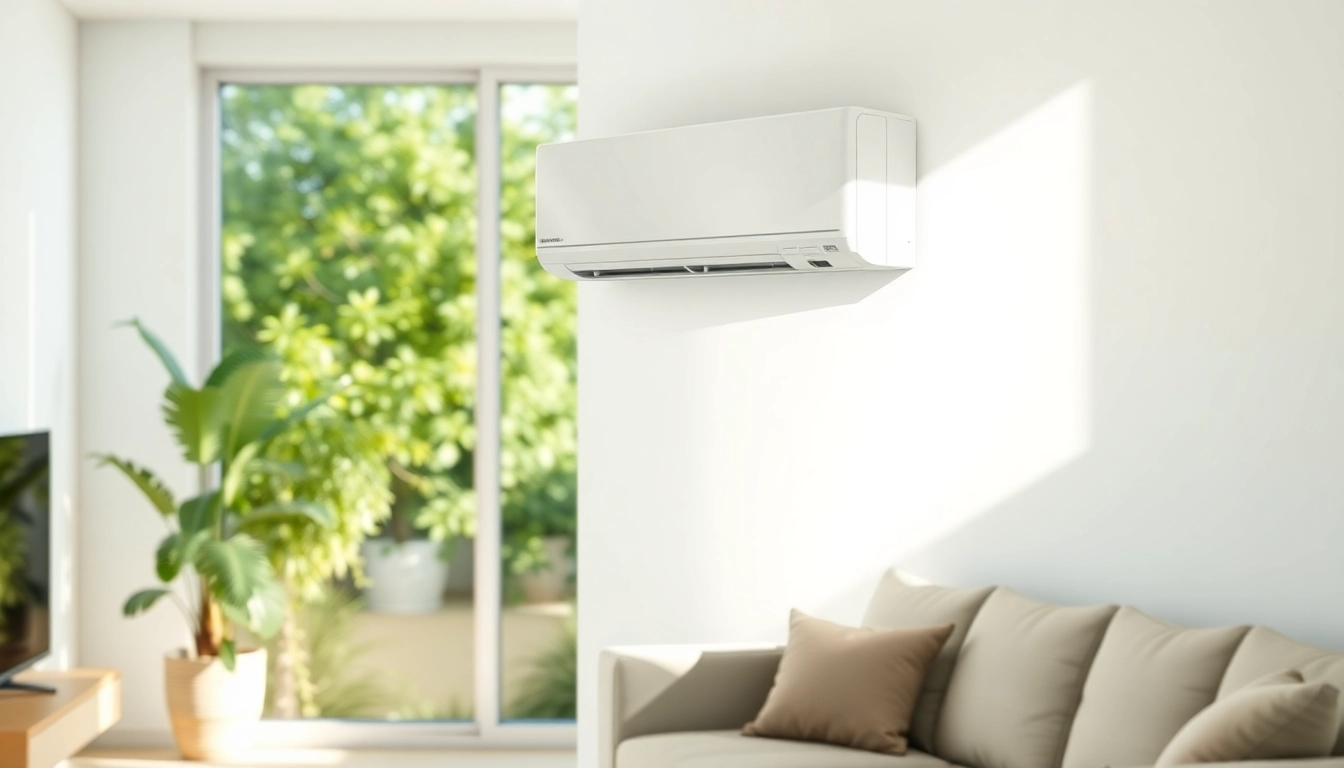
Introduction to Mitsubishi Mini Split AC Systems
When it comes to efficient and flexible climate control solutions, mitsubishi mini split ac systems have emerged as a popular choice for homeowners and businesses alike. These innovative units offer both heating and cooling capabilities without the need for ductwork, making them ideal for various applications. In this comprehensive guide, we will delve into the technology behind Mitsubishi mini splits, their benefits, installation considerations, performance metrics, maintenance practices, and frequently asked questions to help you make informed decisions.
Understanding Mini Split Technology
Mitsubishi mini split systems consist of two main components: an outdoor condenser unit and one or more indoor air-handling units. This design allows for a zoned heating and cooling approach, offering targeted climate control in designated spaces. The absence of ductwork not only simplifies installation but also eliminates energy losses commonly associated with traditional HVAC systems.
The operation of a mini split system is based on the principles of refrigeration. The refrigerant circulates between the indoor and outdoor units, absorbing heat from indoors and expelling it outside during cooling mode, and vice versa during heating mode. This efficiency allows Mitsubishi systems to provide consistent comfort with minimal energy consumption.
Benefits of Mitsubishi Mini Split AC
- Energy Efficiency: Mitsubishi mini split systems typically boast high SEER (Seasonal Energy Efficiency Ratio) ratings, contributing to lower energy bills compared to traditional HVAC systems.
- Flexibility: With multiple indoor units serving various rooms, these systems allow for customizable comfort levels and reduced energy waste.
- Quiet Operation: Designed for low noise levels, Mitsubishi units operate more quietly than conventional air conditioning systems, ensuring minimal disturbance.
- Easy Installation: The absence of ductwork and compact design facilitate easier installation, making it suitable for retrofits and new constructions.
- Enhanced Air Quality: Mitsubishi mini splits filter the air, reducing allergens, dust, and other pollutants, which enhances indoor air quality.
Key Features to Look For
When selecting a Mitsubishi mini split system, it’s essential to consider the following key features:
- Variable Speed Compressors: Many Mitsubishi models come with inverter technology, allowing the compressor to operate at variable speeds, which optimizes energy use.
- Wireless Remote Control: This feature enables users to adjust settings conveniently without the need for a centralized control panel.
- Reversal Cycle Capability: This feature allows the system to switch between heating and cooling modes efficiently, providing year-round comfort.
- Smart Home Integration: Some models are compatible with smart home systems, offering control via smartphone apps and voice commands.
- Filter Indicators: Alerts for cleaning or replacing filters maintain optimal performance and air quality.
Installation Considerations for Mitsubishi Mini Split AC
Choosing the Right Location
The performance of a Mitsubishi mini split system significantly depends on the location of the indoor and outdoor units. Choosing the right spot involves considering factors such as sunlight exposure, proximity to electrical outlets, and clear airflow access. Ideally, install the indoor unit at least 7 feet above the floor to ensure proper air distribution, and keep the outdoor unit in a shaded area to enhance cooling efficiency.
Installation Process Overview
Installing a Mitsubishi mini split system typically involves the following steps:
- Site Assessment: A professional or the homeowner should evaluate the installation site for suitable locations for both the indoor and outdoor units.
- Mounting the Indoor Unit: Securely attach the indoor unit to the wall and ensure proper drainage for condensation.
- Preparing the Outdoor Unit: Place the outdoor unit on a stable surface, ensuring it has adequate airflow and clearance for maintenance.
- Refrigerant Line Installation: A refrigerant line set is run between the indoor and outdoor units, requiring precise connections to prevent leaks.
- Electrical Work: Ensure that power requirements are met and connect the electrical lines to both units.
- System Testing: Once installed, test the system to check for correct functionality and efficiency.
Professional vs. DIY Installation
While some homeowners may opt for DIY installation to save costs, hiring a professional is often recommended for several reasons:
- Technical Expertise: Professionals have the necessary knowledge and experience to deal with refrigeration lines, electrical connections, and system optimization.
- Warranty Compliance: Many manufacturers require professional installation to honor warranties, making it a prudent choice.
- Long-term Performance: Professionals can ensure that the system is installed correctly the first time, minimizing potential future issues.
Performance and Efficiency of Mitsubishi Mini Split AC
Energy Efficiency Ratings Explained
The energy efficiency of Mitsubishi mini split systems is measured by SEER ratings, which indicate how much cooling a system provides for each unit of energy consumed. Higher SEER ratings correspond to greater efficiency, translating into lower energy bills. Most Mitsubishi units have SEER ratings ranging from 15 to 30, with the potential for substantial savings over their lifespan.
Power Consumption and Environmental Impact
Power consumption is a critical consideration for any HVAC system. On average, Mitsubishi mini splits consume 20-30% less power compared to their traditional counterparts. This efficiency not only reduces energy costs but also minimizes the environmental footprint. Additionally, using R-410A refrigerant in many models further lowers harmful emissions.
Comparing Different Models
When choosing between various Mitsubishi mini split models, consider the following aspects:
- BTU Capacity: Different BTU ratings cater to varying room sizes, ensuring optimal heating and cooling based on square footage.
- Noise Levels: Some models operate at lower decibel levels, which may be preferable for bedrooms or quiet spaces.
- Thermostat Features: Advanced thermostat options may offer programmable settings for increased efficiency.
Maintenance Tips for Mitsubishi Mini Split AC
Regular Cleaning Procedures
Regular maintenance is vital for prolonging the lifespan and efficiency of Mitsubishi mini splits. Key cleaning procedures include:
- Filter Cleaning: Clean or replace air filters every 1-3 months to ensure efficient airflow and air quality.
- Coil Maintenance: Inspect and clean the indoor and outdoor coils at least once a year to prevent dust accumulation.
- Drain Line Clearing: Check and clear the drain line regularly to prevent clogs and water pooling.
Common Issues and Troubleshooting
Despite their reliability, Mitsubishi mini splits may face some common issues. Here are a few troubleshooting tips:
- Not Cooling Effectively: This could be due to a dirty filter or low refrigerant levels. Cleaning filters and checking refrigerant may resolve this.
- Strange Noises: Unusual sounds might indicate loose components or debris in the unit. Inspecting the unit and tightening connections might help.
- Frequent Cycling: If the unit turns on and off frequently, check the thermostat settings and ensure the system is not oversized for the space.
Long-term Care Strategies
To maintain the longevity and performance of your Mitsubishi mini split system, consider these long-term care strategies:
- Annual Professional Maintenance: Schedule professional maintenance at least once a year to check refrigerant levels and system performance.
- Monitor Energy Use: Track energy consumption to spot sudden increases that might indicate inefficiencies.
- Emergency Services: Identify a trusted service provider in advance for prompt repairs if needed, minimizing downtime during extreme weather.
Frequent Questions About Mitsubishi Mini Split AC
What size Mitsubishi mini split AC do I need?
The appropriate size depends on the room’s square footage, climate zone, and insulation quality. Generally, a calculation of 20 BTUs per square foot is a good starting point.
How often should I service my Mitsubishi mini split AC?
Service your mini split system at least once a year. However, cleaning filters and check-ups should be more frequent, ideally every 1-3 months.
Are Mitsubishi mini split AC units noisy?
Mitsubishi mini split units are designed to operate quietly. Indoor units may produce sound levels from 19 to 35 decibels, similar to a whisper.
Do Mitsubishi mini split AC systems require ductwork?
No, one of the main advantages of Mitsubishi mini splits is that they do not require ductwork, making installation easier and more versatile.
Can I install a Mitsubishi mini split myself?
While DIY installation is possible, it is recommended to hire professionals to ensure proper installation and maintain warranty compliance.