
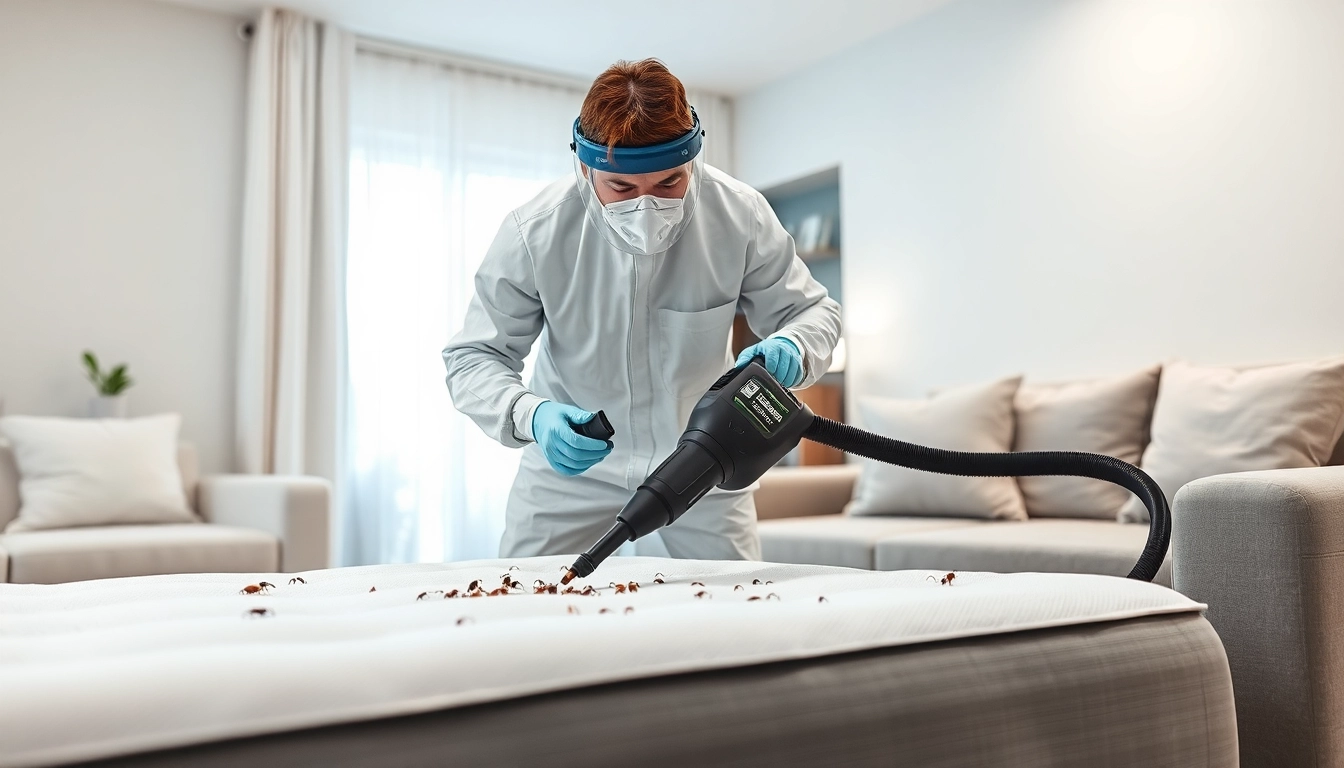
Understanding Bed Bugs and Their Infestations
What Are Bed Bugs?
Bed bugs, scientifically known as Cimex lectularius, are small, reddish-brown insects that feed primarily on the blood of humans and other warm-blooded animals. Measuring about 4 to 5 mm in size, these flat, oval-shaped pests are nocturnal, making them particularly challenging to detect. Historically, bed bugs have been associated with human dwellings for centuries, showcasing their adaptability to various environmental conditions. Understanding these creatures is crucial for effective bed bug removal strategies.
Common Signs of Infestation
Identifying a bed bug infestation early is key to effective management. Look for the following signs:
- Physical Sightings: Adult bed bugs can often be spotted on mattresses, bedding, or even in the seams of furniture. Their eggs, which appear as tiny white specks, are also a telltale sign.
- Blood Stains: Small reddish spots on sheets or mattresses may indicate blood from a bed bug bite.
- Fecal Spots: Dark marks or spots resembling ink may be found on bedding or walls, signifying bed bug excrement.
- Bed Bug Exoskeletons: As they mature, bed bugs shed their skins, which can often be found near their hiding spots.
Health Risks Associated with Bed Bugs
While bed bugs are not known to transmit diseases, their bites can lead to a range of health concerns. Most commonly, individuals may experience:
- Itching and Irritation: Bed bug bites can cause localized itching and swelling, often similar to mosquito bites.
- Allergic Reactions: In some instances, individuals may experience severe allergic reactions, requiring medical attention.
- Stress and Anxiety: The presence of bed bugs can lead to psychological distress, impacting overall well-being.
Steps for Effective Bed Bug Removal
Preparing Your Home for Treatment
Preparation is crucial before implementing any bed bug treatment. Here’s a systematic approach to get ready:
- Declutter the Infested Area: Clear up the area surrounding your bed, including items on nightstands, chairs, and the floor.
- Wash Bedding and Clothes: Use hot water to wash all linens, clothing, and other fabric items that may have come into contact with bed bugs. Dry them on high heat to kill existing pests.
- Vacuum Thoroughly: Vacuum carpets, rugs, and upholstery, ensuring to reach cracks and crevices. Dispose of the vacuum bag immediately.
- Seal Cracks and Gaps: Inspect and seal any cracks or gaps in walls, baseboards, and flooring to reduce bed bug hiding spots.
Safe DIY Methods for Bed Bug Removal
For those wishing to tackle bed bugs with safe, DIY methods, consider the following:
- Heat Treatment: Bed bugs cannot survive high temperatures. Use a steamer on mattresses, furniture, and carpets to kill bugs and eggs on contact.
- Essential Oils: Some essential oils like lavender, tea tree, and peppermint can repel bed bugs when diluted and sprayed around infested areas.
- Vacuuming: Regularly vacuuming can effectively remove bed bugs and their eggs, especially when followed up with disposal immediately afterward.
When to Call a Professional
Despite DIY efforts, there are times when professional help is essential:
- Severe Infestations: If the infestation is extensive, the expertise of pest control professionals is often required.
- Inadequate Results: If DIY methods do not yield satisfactory results over a reasonable period, consulting a professional can save time and effort.
- Health Concerns: Individuals with allergies or sensitivities may benefit from the targeted treatments and precautions taken by professionals.
Preventing Future Bed Bug Infestations
Best Practices for Home Maintenance
To prevent future infestations, consider these best practices:
- Regular Inspections: Regularly check for signs of bed bugs, particularly in areas where pets sleep or where personal items are stored.
- Maintain a Clean Environment: Keeping living areas clean and clutter-free can reduce the likelihood of pest proliferation.
- Bed Bug Covers: Use mattress and box spring encasements to protect against bugs and make inspections easier.
Proper Use of Bed Bug Deterrents
Utilizing deterrents can further enhance your fighting chances against bed bugs:
- Diatomaceous Earth: This natural powder can be spread on carpets and other areas to dehydrate and kill bed bugs upon contact.
- Bed Bug Interceptors: These are small traps placed under bed legs to catch bed bugs before they can climb aboard the bed.
- Clutter Management: Keeping areas tidy and organized makes it more difficult for bed bugs to find hiding spots.
Travel Tips to Avoid Bed Bugs
Traveling can expose you to bed bugs, so follow these tips:
- Inspect Hotel Rooms: Before settling in, check for signs of bed bugs including blood spots and exoskeletons in the bedding and furniture.
- Keep Luggage Elevated: Use luggage racks while unpacking to keep your bags off the floor where bed bugs may be present.
- Wash Clothes Immediately: Upon returning home, wash all clothes in hot water, even those not worn, to eliminate potential hitchhikers.
Cost Considerations for Bed Bug Removal
Average Costs of Treatments
The costs of bed bug treatments vary widely based on several factors, but averages include:
- DIY Treatments: Products available for consumer use typically range from $50 to $200 depending on the chosen method.
- Professional Extermination: Professional services may range from $300 to over $1,500 based on your specific situation and the size of the infestation.
Factors Influencing Treatment Prices
Several factors contribute to the overall cost of bed bug removal:
- Infestation Severity: The size of the infestation will significantly impact treatment costs; larger infestations require more time and resources to eliminate.
- Type of Treatment: Different treatments (heat, chemical, or a combination) come at varying costs.
- Location: Prices may fluctuate based on geographical location and local market rates.
Insurance and Financial Assistance Options
For those concerned about treatment costs, explore available financial options:
- Insurance Policies: Check if your homeowner’s insurance covers pest control for bed bugs, as some policies may provide partial coverage.
- Payment Plans: Some pest control companies offer payment plans to help spread out treatment costs over time.
- Non-Profit Assistance: Certain local health departments or non-profit organizations may provide assistance or resources for pest control.
FAQs About Bed Bug Removal
How long does bed bug removal take?
The duration of bed bug removal varies based on the severity of the infestation and the treatment method employed, generally ranging from a few hours to several weeks for complete eradication.
Can bed bugs survive without a host?
Bed bugs can survive for several months without a host, making it critical to identify and treat infestations promptly to prevent their resurgence.
Are DIY treatments effective for bed bugs?
DIY treatments may be effective for small infestations, but professional intervention is often necessary for larger or persistent issues due to the insect’s resilience.
Is it safe to sleep after bed bug treatment?
Safety after treatment depends on the method used. Generally, it is advisable to wait a few hours post-treatment before using the treated areas. Always consult your pest control provider for specific guidance.
How can I prevent bed bugs in the future?
Regular inspections, diligent cleaning, smart travel habits, and preventive measures such as encasements can significantly reduce the risk of future infestations.