
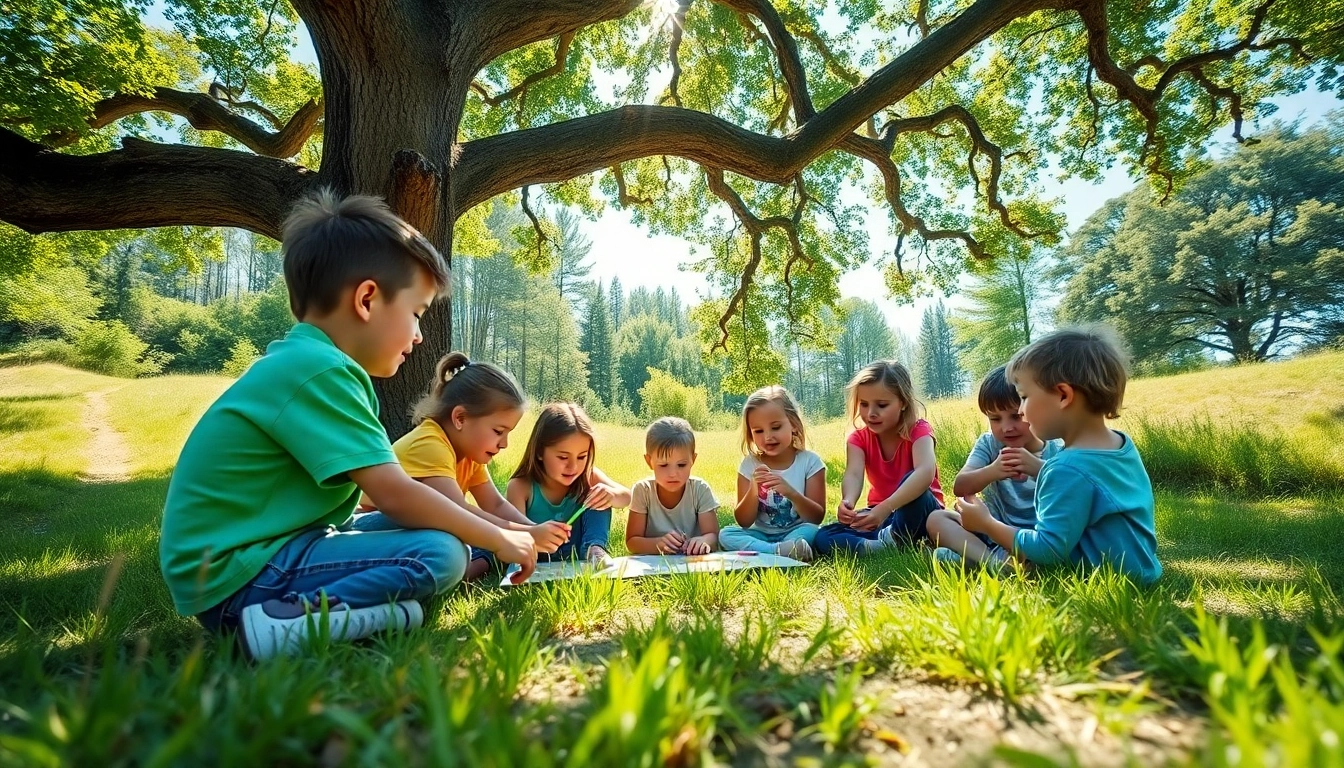
Why Choose a Homeschool Summer Camp?
As summer approaches, many families consider the benefits of enrolling their children in a homeschool summer camp. This option is intriguing as it marries the joys of camp life with the unique educational spirit of homeschooling. Attending a homeschool summer camp can offer children invaluable experiences tailored to diverse learning styles while also ensuring they enjoy their summer. Let’s dive deeper into why these camps are an excellent choice for families.
Benefits of Homeschool Summer Camp
Homeschool summer camps provide numerous advantages that traditional camps may overlook. Here are some key benefits:
- Personalized Learning: Camps designed for homeschoolers often tailor activities to match kids’ interests and learning styles, fostering a love for learning.
- Flexible Scheduling: Unlike traditional camps, homeschool summer camps often offer flexible schedules, allowing families to customize attendance according to their summer plans.
- Family-Centric Environment: Many homeschool camps foster a family-friendly atmosphere where parents can engage alongside their children, facilitating family bonding and shared experiences.
- Integration of Academics and Fun: Camps typically blend fun activities with educational experiences, ensuring children learn while enjoying their time outdoors.
Types of Activities Offered
Activities at homeschool summer camps are varied and enriching. They can include:
- Nature Exploration: Many camps emphasize outdoor learning, where children can explore ecosystems, study wildlife, and engage in conservation activities.
- Arts and Crafts: Creative activities allow children to express themselves through painting, sculpting, and crafting, enhancing their creative thinking.
- Sports and Team Building: Campers participate in sports that teach cooperation, team dynamics, and healthy competition.
- Science Experiments: Hands-on science projects appeal to budding scientists, providing them with experiments that can be conducted using everyday materials.
Building Social Skills and Relationships
Homeschool summer camps serve as an excellent platform for children to forge lasting friendships. In an environment that celebrates diversity and inclusivity, kids learn essential social skills such as teamwork and communication. Campers from various backgrounds come together, enabling children to develop empathy and an appreciation for diverse perspectives.
How to Select the Right Homeschool Summer Camp
Choosing the right homeschool summer camp can be a significant decision. Here are essential steps to ensure you select the best camp for your child:
Consider Your Child’s Interests
Before narrowing down your options, assess what activities spark your child’s curiosity. Whether your child is passionate about nature, science, or arts, ensure the camp offers programs that align with their interests. Engaging in activities they love will enhance their camp experience.
Evaluate Camp Curriculum
Each camp might have a unique curriculum. Investigate how the camp integrates fun with educational content. Look for programs that prioritize hands-on learning and stress character development, social skills, and teamwork while keeping the excitement of summer alive.
Visit and Meet Camp Staff
Before making a final decision, schedule a visit to the camps you’re considering. Meeting the staff can provide insight into the camp’s environment and values. Observing how staff members interact with campers is vital, as it reflects the care and support children can expect during their time at the camp.
Preparing for Homeschool Summer Camp
Once you have selected the perfect camp, it’s essential to prepare adequately. Here are some steps to ensure a smooth experience:
Packing Essentials for Camp
A well-prepared camper is a happy camper. Create a checklist of packing essentials, including:
- Clothing: Comfortable clothes suited for various weather conditions.
- Sun Protection: Sunglasses, hats, and sunscreen are crucial.
- Personal Items: Toiletries, a water bottle, and any required medications.
- Fun Gear: Items like a journal for reflections, an art kit, or equipment for sports.
Setting Goals for Your Child
Setting specific goals for your child can help maximize their summer camp experience. Goals may range from improving social skills to developing a new hobby. Encourage your child to express what they hope to achieve during their time at camp, supporting their growth and development.
Communicating with Camp Leaders
Effective communication with camp leaders is essential for a successful camp experience. Share your child’s particular needs, interests, or any concerns beforehand, and establish a line of communication to stay informed about your child’s progress.
Integrating Learning into Camp Activities
One of the exciting facets of homeschool summer camps is the opportunity to integrate educational aspects into fun activities. Here’s how learning can seamlessly blend with play:
Hands-On Science Projects
Encouraging curiosity through hands-on science projects fuels children’s eagerness to learn. Seasons can guide exploration, such as studying plant growth in spring or animal habitats in summer. Projects can involve building birdhouses, starting a garden, or conducting simple experiments that illustrate scientific concepts.
Creative Arts and Crafts
The arts provide a sublime platform for self-expression. Camps can introduce themed art weeks where children explore different mediums like clay, painting, or nature-inspired crafts. Encouraging creative thinking not only produces beautiful art but also enhances problem-solving skills.
Outdoor Skills and Team Sports
Camps often focus on outdoor skills that instill a sense of responsibility and teamwork. Activities like hiking, canoeing, and team sports teach essential life skills and foster cooperation. Such experiences build resilience and encourage children to step outside their comfort zones.
Frequently Asked Questions about Homeschool Summer Camp
What age groups are suitable for homeschool summer camp?
Homeschool summer camps usually cater to a broad age range, often starting from 6 to 15 years. Some camps may offer specialized programs for younger children or teenagers, ensuring age-appropriate activities.
How can I prepare my child for camp?
Involve your child in the preparation process. Discuss what to expect, set goals, and create a packing list together. Role-play scenarios about meeting new friends or participating in activities to help ease potential anxieties.
Are homeschool summer camps more expensive than traditional camps?
Costs can vary greatly depending on the camp’s location, duration, and services offered. While some camps may seem more expensive, many provide unique programs that justify the cost through personalized education and experiences.
What should I include in my child’s camp backpack?
Include a refillable water bottle, sun protection items, bug spray, any required medication, personal items like a favorite book, and sufficient clothing for camp activities. Make sure to check the camp’s suggested packing list.
How do I find a reputable homeschool summer camp?
Research online for reviews and testimonials from other parents. Visit camps, ask questions about their curriculum, staff qualifications, safety protocols, and speak to previous campers if possible. Word-of-mouth recommendations can also be invaluable.