
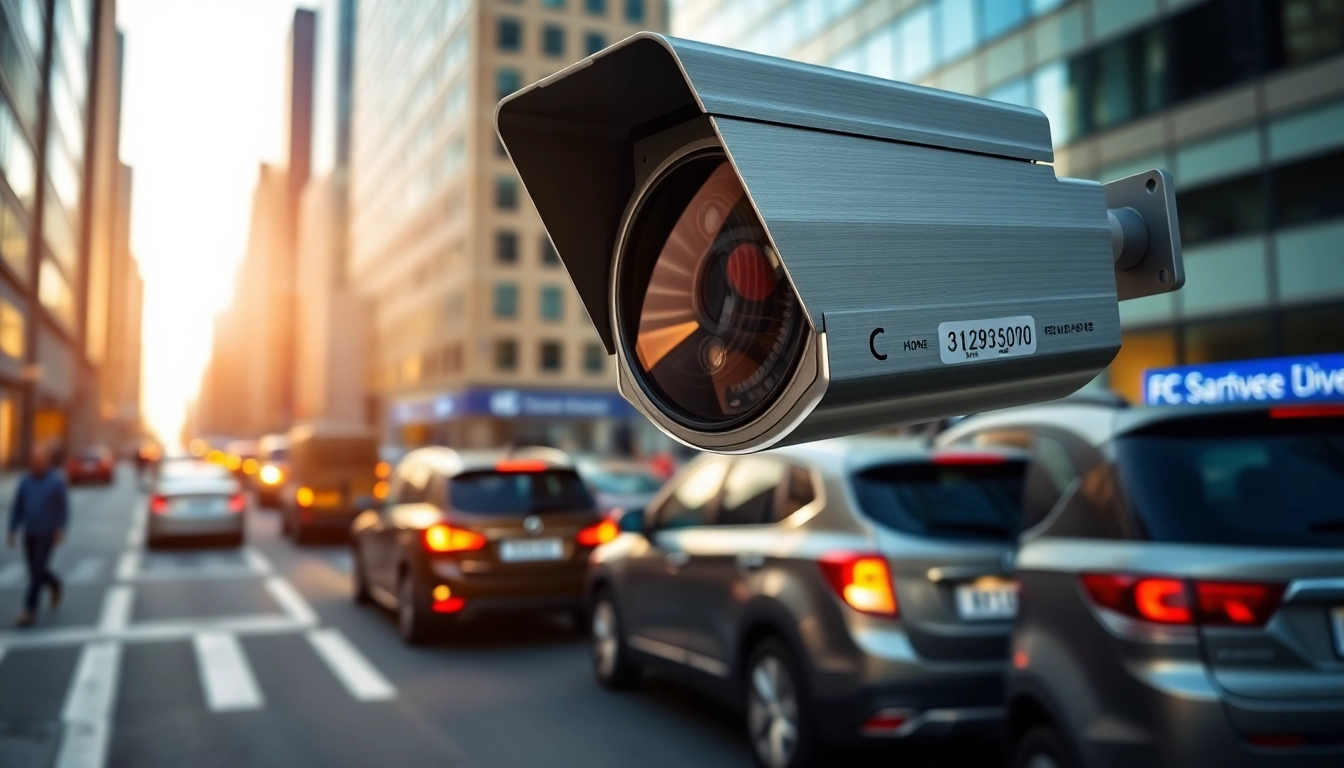
Understanding License Plate Recognition Cameras
What is a License Plate Recognition Camera?
A license plate recognition camera is a specialized surveillance tool designed to capture images of vehicle license plates. These devices utilize advanced imaging and processing techniques to automatically read and interpret license plate numbers, transforming visual data into actionable information. This technology is pivotal in various sectors, ranging from law enforcement to traffic management and secure access control systems. With the rise of automated systems, LPR cameras have become essential for both public and private entities looking to enhance security and streamline operations.
How Does License Plate Recognition Work?
The operation of a license plate recognition camera is based on two fundamental components: hardware and software. The hardware consists of high-resolution cameras equipped with infrared illumination and often employs specialized lenses to focus on license plates, capturing clear images even in challenging conditions.
The software component is critical, as it processes the captured images using Optical Character Recognition (OCR) techniques. This involves several steps:
- Image Acquisition: The camera captures an image of the vehicle, ensuring good lighting and clarity.
- Pre-processing: Images are enhanced and adjusted to improve quality, removing noise or distortion.
- Plate Detection: Algorithms search for the location of the license plate within the image.
- Character Recognition: Advanced OCR technology is applied to interpret the text from the detected plate.
- Data Storage: The recognized license plate data is stored for future reference and analysis.
This process enables LPR cameras to achieve high accuracy rates and rapid processing times, making them essential for modern security systems.
The Importance of License Plate Recognition Technology
As cities grow and the number of vehicles increases, the need for efficient monitoring has never been more vital. License plate recognition technology plays a crucial role in enhancing public safety and operational efficiency through:
- Enhanced Security: LPR cameras can deter criminal activities by providing reliable monitoring and recording of vehicle movements.
- Law Enforcement: They assist in tracking stolen vehicles, monitoring traffic violations, and investigating crimes.
- Automated Systems: Integration with access control systems allows for seamless entry into restricted areas without human intervention.
In conclusion, the importance of license plate recognition technology extends beyond mere monitoring; it fosters safer communities and promotes operational excellence across various sectors.
Key Features of License Plate Recognition Cameras
Image Quality and Resolution
High image quality and optimal resolution are paramount in license plate recognition cameras. These factors dictate the camera’s ability to capture clear, readable license plates under various conditions, including:
- Day and Night Performance: Cameras equipped with infrared technology can capture images in low-light conditions, ensuring functionality around the clock.
- Weather Resistance: The best cameras are designed to withstand extreme weather conditions while maintaining image clarity.
Higher resolution cameras (at least 1080p or more), allow for better detail processing, which significantly improves the accuracy of OCR technology.
Processing Speed and Accuracy
The efficiency of license plate recognition cameras is greatly influenced by their processing speed. Modern cameras can capture and process license plate images in real-time, enabling immediate data acquisition. High-performance cameras often boast:
- High Frame Rate: The ability to process multiple vehicles approaching at high speeds without missing data.
- Accuracy: Top-tier models offer accuracy rates exceeding 99%, significantly reducing false positives and negatives.
Incorporating enhanced processing algorithms allows these cameras to achieve remarkable speed and reliability in various operational scenarios.
Data Storage and Retrieval Options
License plate recognition cameras generate a vast amount of data, requiring robust storage solutions. Options include:
- Local Storage: Utilizing on-site storage devices for immediate access. This is useful for smaller installations.
- Cloud Storage: Offers scalable options for extensive data retention and easy retrieval from anywhere, essential for larger operations or municipal surveillance.
Some systems also provide features such as advanced search capabilities within the stored data, allowing users to quickly find historical data based on license plate numbers, timestamps, or locations.
Applications of License Plate Recognition Cameras
Security and Surveillance
License plate recognition cameras are widely used in security applications, particularly in urban areas and sensitive infrastructure sites. Their roles include:
- Monitoring Entry and Exit Points: Institutions can track vehicle flows, identifying unauthorized access in real-time.
- Crime Prevention: The cameras provide law enforcement with valuable data that aids in investigations and preventive measures against vehicular crimes.
Moreover, their implementation can lead to a decrease in crime rates as the presence of surveillance acts as a deterrent.
Access Control for Restricted Areas
Advanced access control systems incorporate license plate recognition cameras to facilitate secure entry into restricted zones without manual checks. Features include:
- Automated Access: Vehicles registered in the system can gain instant entry, enhancing efficiency for organizations.
- Audit Trails: All entries and exits can be logged, providing a comprehensive history without manual record-keeping.
This improves the operational workflow while ensuring only authorized personnel have access to sensitive locations.
Traffic Monitoring and Management
Traffic departments leverage license plate recognition technology for effective traffic management. Applications include:
- Congestion Management: Monitoring vehicle flows can help design and implement better traffic control measures.
- Violation Detection: Cameras can be set up to automatically identify traffic violations, such as running red lights or speeding, generating immediate fines.
This not only improves road safety but also provides data analytics for long-term traffic planning.
Choosing the Right License Plate Recognition Camera
Determining Your Technology Needs
Before purchasing a license plate recognition camera, it’s important to assess your specific needs. Factors to consider include:
- Operational Environment: Evaluate the locations and conditions where the cameras will be deployed, such as lighting and weather.
- Purpose: Determine whether the camera will be used for security, access control, or traffic management.
Clearly defining the scope of use will lead to more informed technology selection.
Comparing Options and Features
With a range of models available, comparing features is crucial. Key attributes to review include:
- Image Quality: Ensure the camera meets the required specifications for your environment.
- Processing Capabilities: Higher processing power can provide speedier and more accurate results.
- Integration Capabilities: Assess compatibility with existing security systems for a seamless setup.
In-depth research and created comparison charts may assist in evaluating which features are most aligned with your requirements.
Budgeting for License Plate Recognition Solutions
Budgeting for license plate recognition solutions involves not only the initial purchase cost but also considerations for installation, maintenance, and potential upgrades. Ensure to factor in:
- Initial Investment: Assess the total cost including cameras, software, and any required hardware upgrades.
- Ongoing Costs: Include maintenance, cloud storage fees, and any subscription services.
Establishing a comprehensive budget allows for better financial planning and avoids unexpected expenses in the future.
Future Trends in License Plate Recognition Technology
Integration with AI and Machine Learning
The future of license plate recognition technology lies in its integration with artificial intelligence (AI) and machine learning. Such advancements will enhance capabilities through:
- Improved Accuracy: AI can learn from previous datasets to reduce errors in character recognition.
- Predictive Analysis: Machine learning algorithms can analyze historical data to forecast trends, improving traffic management.
This integration not only increases operational efficiency but also paves the way for future innovations in surveillance technology.
Emerging Market Opportunities
As cities become increasingly complex, the demand for effective monitoring solutions surfaces various market opportunities, including:
- Smart City Initiatives: The growth of smart city programs will drive the demand for LPR applications to monitor urban environments.
- Private Sector Growth: Security budgets in private sectors are expanding, creating potential for increased LPR camera usage in businesses and institutions.
These emerging markets provide significant opportunities for businesses involved in developing and manufacturing LPR cameras and systems.
Privacy Considerations and Compliance
As the use of license plate recognition cameras expands, privacy concerns have grown. Ensuring compliance with local and national laws regarding data privacy is critical. Key areas to consider include:
- Transparency: Users of LPR systems should inform the public about the data being collected and its intended use.
- Data Protection: Implementing strong data security measures to prevent unauthorized access to stored license plate information.
Being proactive regarding privacy measures not only builds trust with the community but also mitigates risks associated with non-compliance.
FAQs
What security camera detects license plates effectively?
License plate recognition cameras are specifically designed to capture and analyze moving vehicle plates, ensuring accuracy in detection.
What is the cost range for license plate recognition cameras?
Prices vary based on features and specifications, typically starting from a few hundred dollars to several thousand for advanced models.
Can license plate recognition cameras work in low light?
Many modern models are equipped with infrared technology that allows for effective operation even in low-light conditions.
Where should I install a license plate recognition camera?
Optimal installation locations include entrances, exits, and high-traffic areas to monitor vehicle flow and enhance security.
Are license plate recognition cameras legal to use?
The legality of using license plate recognition cameras varies by region, so it’s essential to review local privacy laws and regulations.