
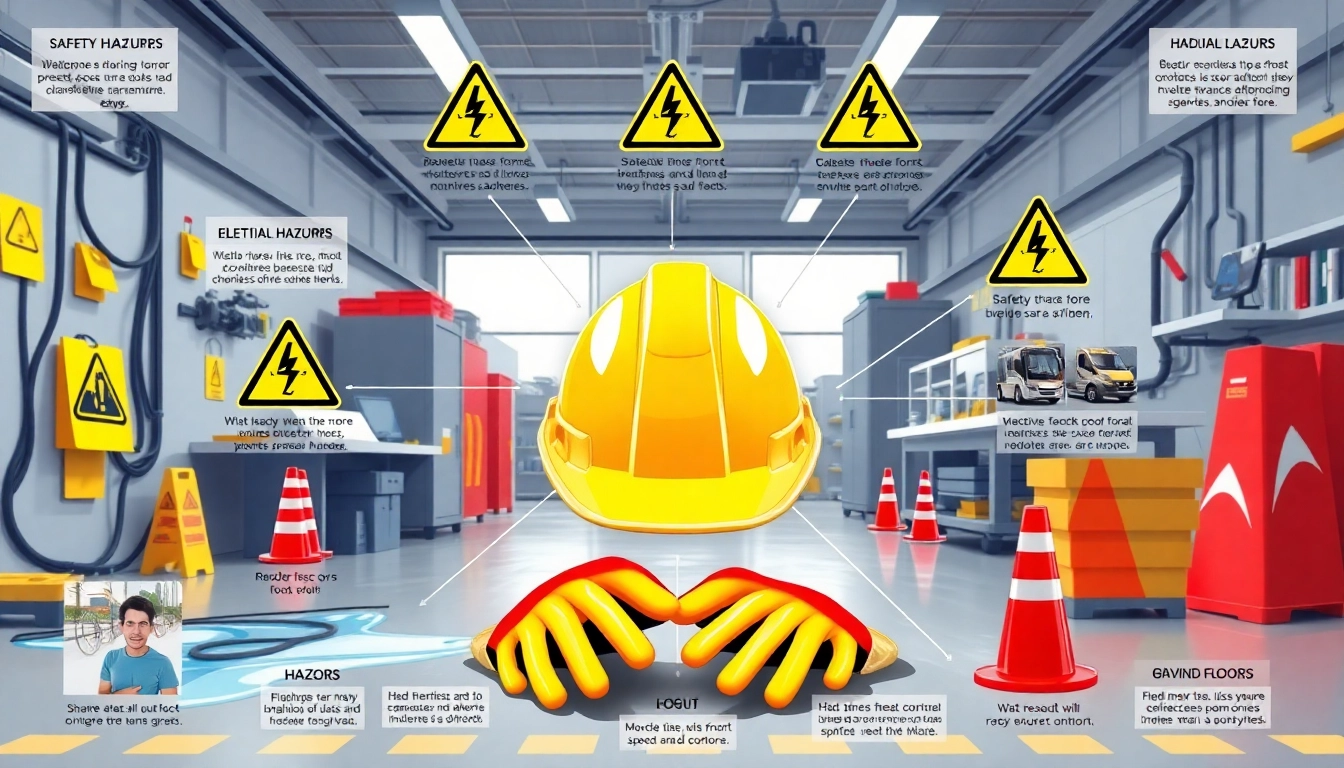
What is a Physical Hazard?
Definition of Physical Hazard
A physical hazard refers to any condition, agent, or circumstance in the workplace that has the potential to cause harm or injury through the transfer of energy. These hazards can originate from various aspects of the work environment and often result in immediate physical harm, which can affect an employee’s health and safety. The nature of physical hazards can vary significantly, but they typically lead to issues such as accidents, injuries, or other health concerns.
Types of Physical Hazards
Physical hazards can be broadly categorized into several types, each characterized by its source of risk. These types include:
- Mechanical Hazards: Often associated with machinery or equipment, these hazards can lead to cuts, crush injuries, or amputations.
- Electrical Hazards: Involve risks from electrical equipment and can cause shocks, burns, or fires.
- Thermal Hazards: Include exposure to extreme heat or cold that can result in heat stress, burns, or frostbite.
- Radiation Hazards: Pose risks from exposure to ionizing or non-ionizing radiation sources, which can lead to long-term health effects.
Impact of Physical Hazards
The consequences of physical hazards in the workplace can be both significant and far-reaching. They can lead to:
- Injury and Illness: Direct impacts include cuts, fractures, or long-term conditions like repetitive strain injuries.
- Financial Costs: Workplace injuries can result in medical expenses, compensation payouts, and increased insurance premiums.
- Decreased Productivity: Physical hazards can lead to absenteeism and reduced employee morale, affecting overall workplace productivity.
- Legal Repercussions: Failing to address physical hazards can result in legal actions and regulatory penalties for organizations.
Common Examples of Physical Hazards
Mechanical Hazards
Mechanical hazards arise primarily from workplace equipment and machinery. They can occur during the operation, maintenance, or repair of machines where workers are at risk of accidents due to improper safeguards, entanglement, or unexpected machine starts.
Examples include:
- Operating unguarded machinery, leading to severe injuries.
- Improper use of tools resulting in cuts or punctures.
- Hazards associated with vehicle operation related to loading and unloading cargo.
Electrical Hazards
Electrical hazards are among the leading causes of workplace accidents, posing threats such as shocks, burns, and electrical fires. Common causes of electrical accidents include:
- Damaged wiring or equipment leading to short circuits.
- Improper grounding of electrical installations.
- Use of unsuitable or damaged extension cords.
Thermal and Radiation Hazards
Thermal hazards encompass both extreme heat and cold conditions, potentially causing thermal burns or hypothermia. Workers in environments with significant temperature variances must be aware of these risks.
Radiation hazards stem from both natural and artificial sources, with risks associated with exposure to ultraviolet (UV) light, ionizing radiation from X-ray machines, or radioactive materials.
Identifying Physical Hazards in the Workplace
Conducting Safety Audits
Regular safety audits are essential for identifying physical hazards. These audits involve systematic examinations of the workplace to evaluate compliance with safety standards. Key steps include:
- Creating a comprehensive checklist of potential physical hazards.
- Involving employees in the audit process to gain multiple perspectives.
- Documenting findings and developing action plans based on identified hazards.
User Education and Training
Education plays a crucial role in hazard identification. Providing training empowers employees to recognize potential risks in their environment. Effective training should cover:
- How to identify various types of physical hazards.
- Correct procedures for using equipment safely.
- Emergency response protocols for various physical hazards.
Reporting and Documentation
Encouraging a culture of reporting is vital for identifying physical hazards. Employees should feel comfortable reporting near misses and potential threats. Documenting these reports helps organizations track and mitigate risks effectively.
Preventing Physical Hazards
Implementing Safety Procedures
Effective safety procedures are foundational in preventing physical hazards. These procedures should include:
- Developing standard operating procedures (SOPs) for machinery usage.
- Routine safety checks to ensure compliance with established protocols.
- Engagement of all employees in safety discussions as part of setting procedures.
Utilizing Proper Personal Protective Equipment (PPE)
Providing appropriate PPE is critical for safeguarding employees from physical hazards. Essential PPE may include:
- Helmets and hard hats to protect against head injuries.
- Gloves and protective clothing for hand and skin protection.
- Eye and face shields to guard against flying debris and chemical splashes.
Regular Maintenance and Inspections
Regular inspection and maintenance of equipment and facilities help prevent potential physical hazards. Maintenance procedures should encompass:
- Scheduled maintenance checks for machinery.
- Routine inspections of safety equipment and PPE.
- Immediate repair of any identified deficiencies or hazards.
Regulatory Guidelines and Best Practices
Understanding OSHA Standards
Organizations must adhere to guidelines set forth by OSHA (Occupational Safety and Health Administration) regarding physical hazards. Understanding these standards can help minimize risks and enhance workplace safety compliance.
Developing a Safety Culture
Fostering a safety culture within an organization encourages proactive engagement among employees concerning workplace hazards. Strategies for developing this culture include:
- Leadership commitment to safety as a core value.
- Open lines of communication regarding safety issues.
- Incentivizing safe behavior among employees.
Emergency Preparedness and Response
Having emergency preparedness plans in place helps organizations respond effectively to incidents caused by physical hazards. Key aspects of emergency planning include:
- Establishing clear emergency procedures for various scenarios.
- Conducting regular emergency drills with all employees.
- Development of communication strategies during emergencies.
FAQs
What is the definition of a physical hazard?
Physical hazards are agents or conditions that can cause harm through energy transfer. Examples include slips, trips, and electrical hazards.
What are the 4 types of physical hazards?
The four main types of physical hazards include mechanical, electrical, thermal, and radiation hazards, each presenting unique risks.
What are 5 physical hazards in food?
Physical hazards in food include foreign objects like plastic or glass, hair, dirt, and bones that can cause injury or contamination.
How can you identify physical hazards?
Identify physical hazards through safety audits, employee training, and encouraging hazard reporting to maintain workplace safety.
What regulations cover physical hazards?
OSHA regulations outline standards for workplace safety, governing the identification and management of physical hazards effectively.