
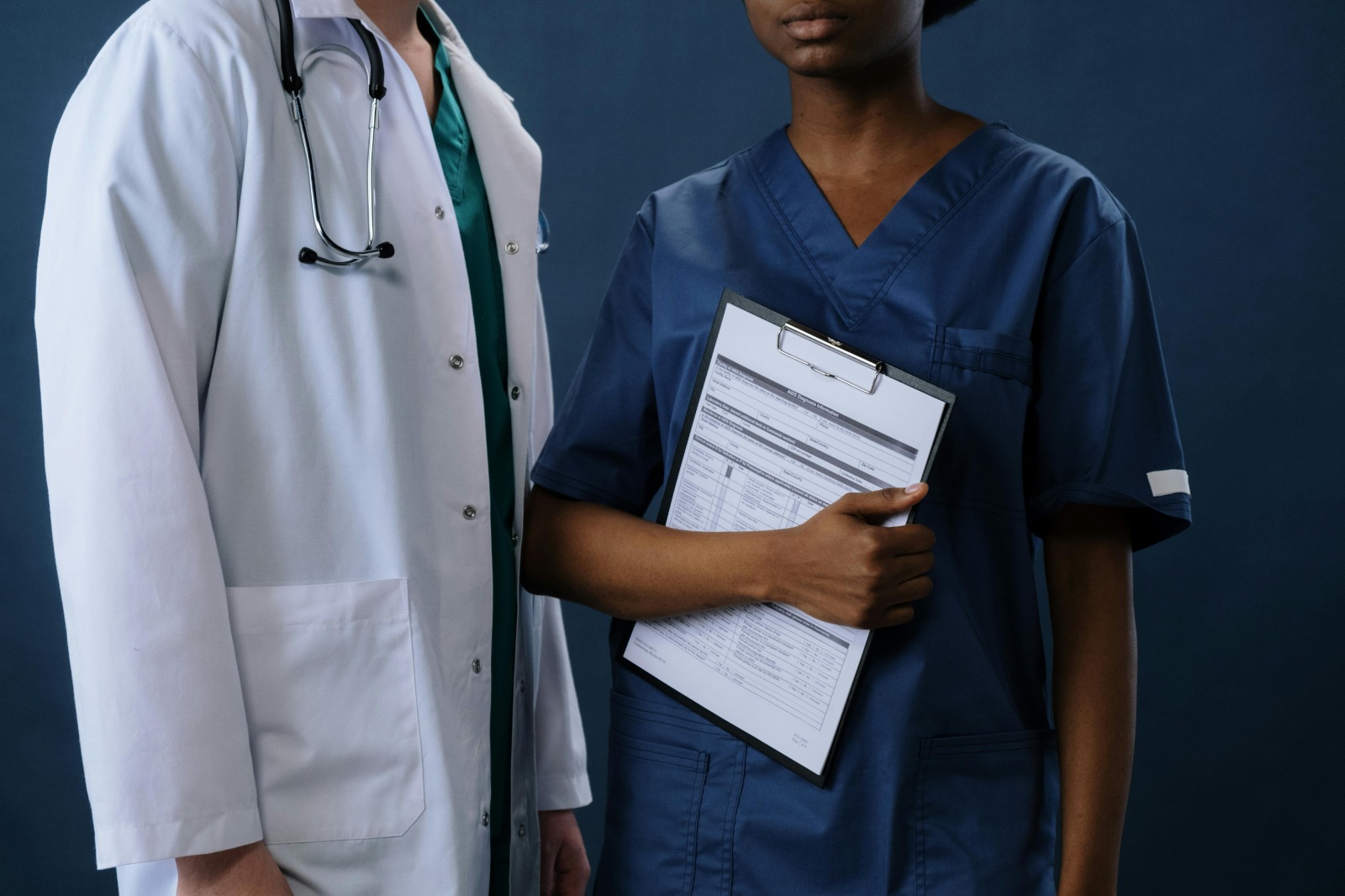
Entering the healthcare field requires more than academic excellence. One way aspiring medical professionals can gain a head start is through high school volunteering. High school volunteering provides students with practical experience, strengthens empathy, and builds foundational skills that are crucial for anyone considering a career in medicine. By engaging in volunteer work, high school students can explore the realities of patient care, understand the healthcare system, and develop the emotional intelligence necessary for compassionate medical practice.
Developing Empathy Through High School Volunteering
One of the most critical qualities of a successful healthcare professional is empathy. High school volunteering allows students to interact with diverse patient populations, giving them firsthand insight into the challenges faced by individuals with different health conditions. These experiences foster emotional awareness and help students understand the importance of treating patients as people, not just as cases or symptoms. When students volunteer in hospitals, clinics, or community health programs, they witness how empathy directly impacts patient care, communication, and recovery.
Gaining Practical Healthcare Experience
Practical experience is invaluable for students considering medical careers. High school volunteering provides exposure to clinical environments, administrative tasks, and patient support roles. Volunteering at hospitals or nursing homes allows students to observe healthcare professionals, understand workflow, and develop basic skills such as patient interaction, confidentiality, and teamwork. This early exposure gives students a realistic perspective of the medical field and helps them decide whether they are genuinely passionate about pursuing healthcare.
Strengthening Communication and Interpersonal Skills
Effective communication is essential in healthcare. High school volunteering helps students develop these skills by interacting with patients, families, and staff members. They learn how to convey information clearly, listen actively, and offer support in sensitive situations. These experiences build confidence and prepare students for the rigorous communication demands of medical school and healthcare careers. Strong interpersonal skills gained through volunteering are often noticed by college admissions committees, making high school volunteering a valuable addition to any student’s resume.
Building a Strong Foundation for College Applications
Colleges and medical programs increasingly value real-world experience. High school volunteering demonstrates commitment, responsibility, and a genuine interest in healthcare. Students who dedicate time to volunteer work show initiative and a willingness to contribute to their communities. Admissions officers recognize that applicants with volunteer experience are more likely to thrive in challenging academic environments and future healthcare roles. Documenting hours, responsibilities, and reflections from high school volunteering can strengthen applications and personal statements significantly.
Exploring Different Healthcare Settings
Healthcare is a broad field with numerous specializations. High school volunteering offers opportunities to explore various areas, from pediatrics to geriatrics, emergency care to mental health services. By volunteering in multiple settings, students can identify their interests and potential career paths. This exploration is particularly valuable because it helps students make informed decisions about college majors, internships, and future specialization. Experiencing different healthcare environments early on can spark passion and clarify long-term goals.
Learning Teamwork and Professionalism
The healthcare environment demands teamwork and professional conduct. High school volunteering instills these qualities by requiring students to collaborate with staff and follow established protocols. Students learn the importance of punctuality, responsibility, and ethical behavior. These lessons not only prepare them for future healthcare roles but also for leadership positions within medical teams. Demonstrating professionalism during high school volunteering helps students stand out as dependable and mature individuals ready for the challenges of healthcare careers.
Enhancing Problem-Solving and Critical Thinking Skills
Healthcare often involves quick decision-making and problem-solving. Volunteering exposes students to situations where they must adapt, think critically, and respond to unforeseen challenges. High school volunteering encourages students to observe, analyze, and contribute solutions within a supportive environment. These experiences enhance cognitive skills and prepare students for the analytical demands of medical education and clinical practice.
Making a Positive Impact in the Community
Beyond personal growth, high school volunteering allows students to make tangible differences in their communities. Whether assisting elderly patients, organizing health awareness campaigns, or helping in community clinics, volunteers contribute to improving healthcare access and quality. These experiences instill a sense of purpose and social responsibility, reinforcing the ethical values central to medicine. Students who engage in high school volunteering develop a lifelong commitment to service and advocacy, which are fundamental qualities of compassionate healthcare professionals.
Conclusion
In conclusion, high school volunteering is an essential step for students aspiring to become healthcare professionals. It nurtures empathy, provides practical experience, strengthens communication and teamwork skills, and helps students make informed career choices. Furthermore, volunteering enhances college applications, develops critical thinking, and fosters a commitment to community service. Students who engage in high school volunteering not only prepare themselves for the challenges of medical education but also lay the foundation for a fulfilling and impactful career in healthcare. Early involvement in volunteering ensures that future healthcare professionals are not only knowledgeable but also compassionate, capable, and ready to make a difference in the lives of patients and communities.