Understanding Green Bug Extermination
What is a Green Bug Exterminator?
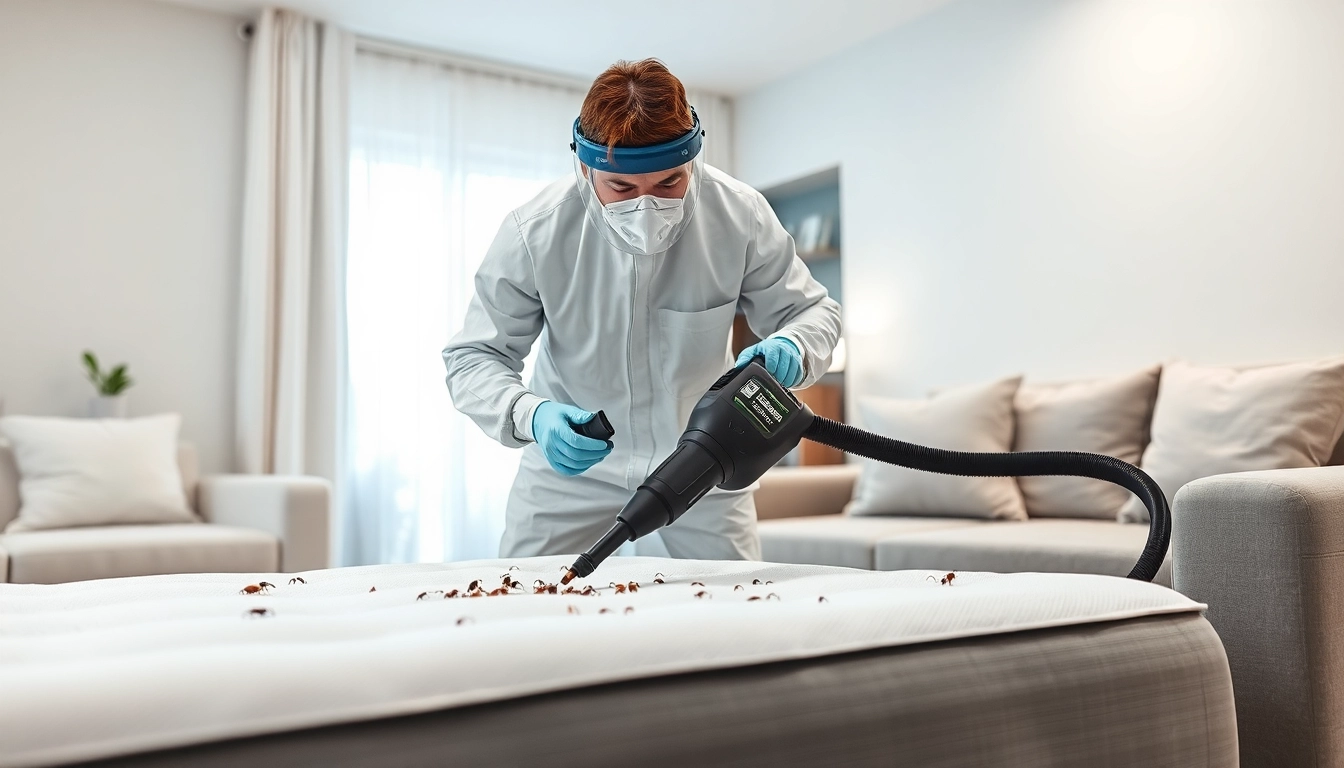
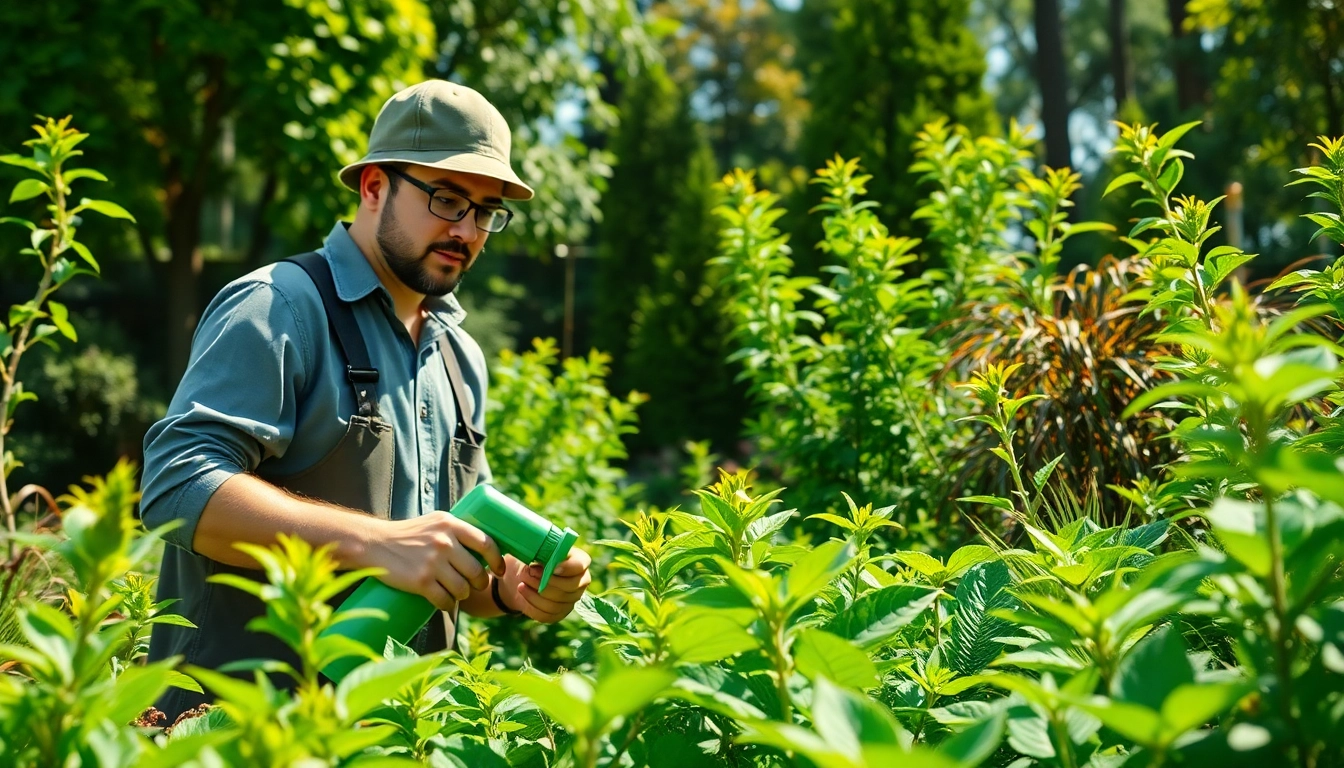
A green bug exterminator specializes in using environmentally safe methods to control and eliminate pest populations. Unlike traditional pest control that may rely on harsh chemicals, green exterminators focus on sustainable practices that not only target pests but also consider the health of the ecosystem. They utilize natural substances, biological pest control techniques, and eco-friendly products to achieve their objectives, ensuring that both humans and beneficial insects are not harmed in the process.
The Benefits of Eco-Friendly Pest Control
The transition to eco-friendly pest control offers numerous advantages:
- Healthier Environment: Green pest control methods are safer for both humans and pets, reducing exposure to harmful chemicals. This is particularly crucial for homes with children or individuals with respiratory issues.
- Sustainability: By emphasizing natural methods and materials, these alternatives contribute to a more sustainable approach to pest management, ensuring that ecosystems remain balanced.
- Long-term Solutions: Eco-friendly methods often focus on prevention as much as extermination. This proactive approach can lead to fewer infestations over time.
- Resourcefulness: Green exterminators typically incorporate methods inspired by nature, such as using biological controls, which can be more effective than synthetic pesticides.
Common Green Extermination Techniques
There are several techniques employed by green bug exterminators:
- Biological Control: This involves using natural predators or parasites to control pest populations, drastically reducing reliance on chemical treatments.
- Botanical Insecticides: Derived from plants, these insecticides are effective against pests and typically pose less risk to non-target organisms.
- Integrated Pest Management (IPM): Combining biological, cultural, and mechanical practices, IPM aims to manage pest populations using the least possible hazard to people, property, and the environment.
- Mechanical Methods: Handpicking pests, using traps, and employing barriers can prevent pests from invading gardens or homes.
Identifying Pests to Target
Common Garden Pests that Need Extermination
Understanding the pests prevalent in your area can help direct your extermination efforts:
- aphids: Tiny sap-sucking insects that can destroy plants quickly.
- Caterpillars: The larvae of various moths and butterflies that can defoliate your garden.
- Slugs and Snails: Munchers of young plants, often causing significant damage.
- Spider Mites: Often invisible to the naked eye, these pests can cause leaf discoloration and wilting.
Signs of Infestation in Your Garden
Detecting an infestation early is pivotal. Here are some signs to watch for:
- Visible Pests: Physical sighting of pests on plants or in soil.
- Damage on Leaves: Look for holes, discoloration, or a sticky residue that can indicate pest activity.
- Wilting Plants: A sudden change in plant health could suggest a pest problem.
- Unusual Debris: Presence of shed skin, droppings, or webbing can signal infestations.
Environmental Impact of Pests
Pests can have a profound impact on gardens and surrounding ecosystems. They not only threaten your plants but can also disrupt local wildlife. An unchecked pest population can lead to a decline in pollinator species, including bees and butterflies, which are crucial for plant reproduction and biodiversity. Additionally, pests can contribute to environmental degradation, as they may lead gardeners to resort to harmful chemical treatments that can contaminate soil and water sources, ultimately affecting the broader ecosystem.
Choosing the Right Exterminator
Qualifications to Look For
When seeking a green bug exterminator, it’s essential to consider qualifications that indicate their expertise:
- Licensing and Certification: Ensure your exterminator is licensed to operate in your area and has specific certifications related to green pest control practices.
- Experience: Look for professionals with a proven track record in eco-friendly extermination.
- Knowledge of Local Pests: An understanding of regional pests guarantees targeted and effective pest management strategies.
Questions to Ask Before Hiring
Before deciding on an exterminator, consider asking the following questions:
- What methods do you use? Understanding their approach helps gauge its compatibility with your eco-friendly values.
- What safety measures do you have in place? They should prioritize the safety of children, pets, and local wildlife.
- Can you provide references? Hearing from past clients can offer valuable insight into their service quality.
Reading Reviews and Testimonials
Reviews and testimonials from previous clients are invaluable. They provide insight into not only the effectiveness of the pest control methods used but also the professionalism and communication skills of the exterminator. Look for repeated positive feedback about their eco-friendliness, the outcome of pest control measures, and the quality of customer service. Additionally, considering platforms that aggregate reviews can highlight inconsistencies and give a broader picture of their reliability.
Preparing for Extermination
Steps to Take Before the Extermination Process
Proper preparation is critical for an effective extermination process. Here are vital steps to undertake:
- Identify Affected Areas: Document specific areas of infestation to provide to your exterminator.
- Clear Surrounding Areas: Remove any furniture or obstacles that could hinder the exterminator’s access.
- Educate Yourself: Know the types of methods that will be employed and their expected results.
Protecting Your Plants and Environment
During the extermination process, it’s crucial to protect your plants and environment:
- Move Potted Plants: If possible, relocate potted plants away from the area being treated to avoid damage.
- Inform the Exterminator: Notify them of any special environmental considerations or valuable plants in your garden.
- Minimize Watering: Reduce watering immediately before the treatment to prevent the dilution of applied products.
What to Expect During the Extermination
Understanding the extermination process can help alleviate any concerns. Typically, during an eco-friendly extermination, the exterminator will:
- Assess the site for pest hotspots.
- Apply natural pest control substances, often involving a combination of methods.
- Offer advice on immediate steps you can take post-treatment to aid recovery and prevent re-infestation.
Aftercare and Maintenance
How to Maintain a Pest-Free Environment
After extermination, maintaining a pest-free environment is paramount:
- Regular Monitoring: Frequently check plants and garden areas for signs of returning pests.
- Maintain Garden Health: Healthy plants are less susceptible to pests, so practice good gardening habits.
- Companion Planting: Use plants that repel common pests to create a natural barrier in your garden.
When to Schedule Follow-Up Services
Follow-up services help to ensure long-term effectiveness. Schedule follow-up visits based on the severity of the infestation and the exterminator’s recommendations. Typically, a follow-up should occur a few weeks after the initial treatment to assess the effectiveness and address any new signs of infestation promptly.
Additional Eco-Friendly Pest Prevention Tips
Incorporating additional preventative measures can minimize future pest problems:
- Regular Clean-Up: Keep your garden tidy, removing debris that can harbor pests.
- Healthy Soil: Ensure your soil is rich in organic matter to promote plant resilience.
- Natural Repellents: Utilize homemade sprays from natural ingredients like soap, oil, or vinegar to deter pests.
FAQs
What is a green bug exterminator?
A green bug exterminator focuses on eco-friendly pest control methods that are safe for the environment and people.
How effective are green extermination techniques?
Green extermination techniques can be highly effective when properly applied, targeting pests while protecting beneficial insects.
Are green pest control methods safe?
Yes, green pest control methods prioritize safety, using non-toxic substances that reduce risks to humans, pets, and wildlife.
When should I hire a green bug exterminator?
Consider hiring one when you notice signs of pest infestations or if traditional methods are not managing pest populations.
How can I prevent pests naturally?
You can prevent pests by maintaining a healthy garden environment, using companion planting, and introducing natural predators.